Marco Rubio Flips Out Over Simple Putin Question
A Complex Web of Diplomacy and Conflict
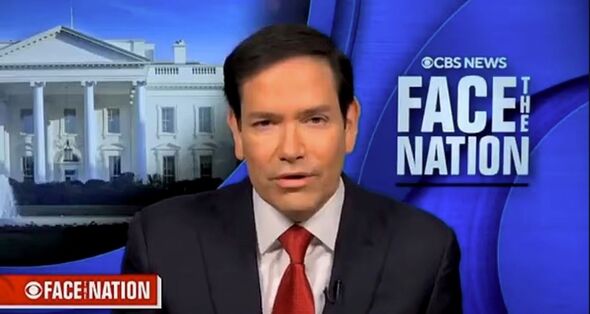
In a series of interviews with major U.S. networks, Secretary of State Marco Rubio addressed questions about the Trump administration's approach to resolving the Russia-Ukraine conflict. His responses were often vague and combative, raising more questions than answers about the details of potential agreements between the two nations.
President Donald Trump had previously claimed during his 2024 campaign that he would end the war on his first day in office. However, by mid-August, there was little progress toward achieving peace between Russia and Ukraine. Despite months of advocacy for a ceasefire, Trump appeared to shift his stance after a meeting with Russian President Vladimir Putin, favoring a direct peace deal instead of a temporary truce. This move echoed the long-standing position of the Kremlin.
Ukrainian President Volodymyr Zelensky had warned of potential tensions before a recent White House meeting with Trump following a heated exchange. The situation escalated further when Trump reportedly cracked under pressure during a meeting with Putin, who made bold claims about the conflict.
Margaret Brennan of CBS Face the Nation questioned Rubio about the mixed messages from Trump, who left a three-hour meeting with Putin without securing a ceasefire agreement. Trump had previously stated he would walk out in two minutes if Putin didn’t agree to a ceasefire. Rubio responded that something happened during the meeting, emphasizing the need for a peace agreement. He noted that both sides must make concessions for any resolution to be successful.
Rubio acknowledged that a ceasefire would be difficult, even as Trump has repeatedly called for one and threatened severe consequences for Russia if it continued its aggression. However, Putin ignored these threats and continued to attack Ukrainian forces after the summit in Anchorage.
Despite Rubio’s comments about the necessity of bilateral concessions, Zelensky has consistently stated that Ukraine will not cede territory, abandon its NATO aspirations, or allow restrictions on its military. These are key conditions outlined by the Kremlin in its peace proposal.
According to the Ukrainian military, Russian casualties have surpassed 1 million since the conflict began. While Moscow does not release official figures, a June study estimated that 400,000 Ukrainian troops have been killed or wounded since 2022. Russia maintains a significant advantage in manpower and artillery, according to Zelensky.
Ukraine faces challenges in replenishing its infantry and matching Russia’s losses. Advocating for a ceasefire could allow Ukraine to reinforce its military before resuming hostilities, a scenario that Russia is unlikely to support. A peace agreement, on the other hand, might involve Ukraine ceding territory, arms, or its pursuit of stronger Western alliances.
Trump’s shift from advocating a ceasefire to supporting a peace deal suggests a new approach that aligns more closely with Russia’s demands. Rubio described the Alaska meeting between Putin and Trump as a step forward, noting some progress but highlighting significant areas of disagreement.
Trump, whose 2016 campaign was influenced by Russian interference, mentioned the possibility of “land swapping” in a peace deal. However, Rubio later clarified that no one is pushing Ukraine to give up territory. This contradiction was highlighted when Trump shared a post on Truth Social suggesting that Ukraine must be willing to lose some territory.
As Trump and Vice President JD Vance prepare to meet with Zelensky at the White House, the situation remains tense. This follows a high-profile meeting with Putin, who is wanted by the International Criminal Court for alleged war crimes. During that encounter, Trump clapped for Putin as he walked down a red carpet, drawing criticism from many observers.

Post a Comment for "Marco Rubio Flips Out Over Simple Putin Question"
Post a Comment