Map reveals states sending National Guard to D.C.
Federal Deployment of National Guard Troops to Washington, D.C.
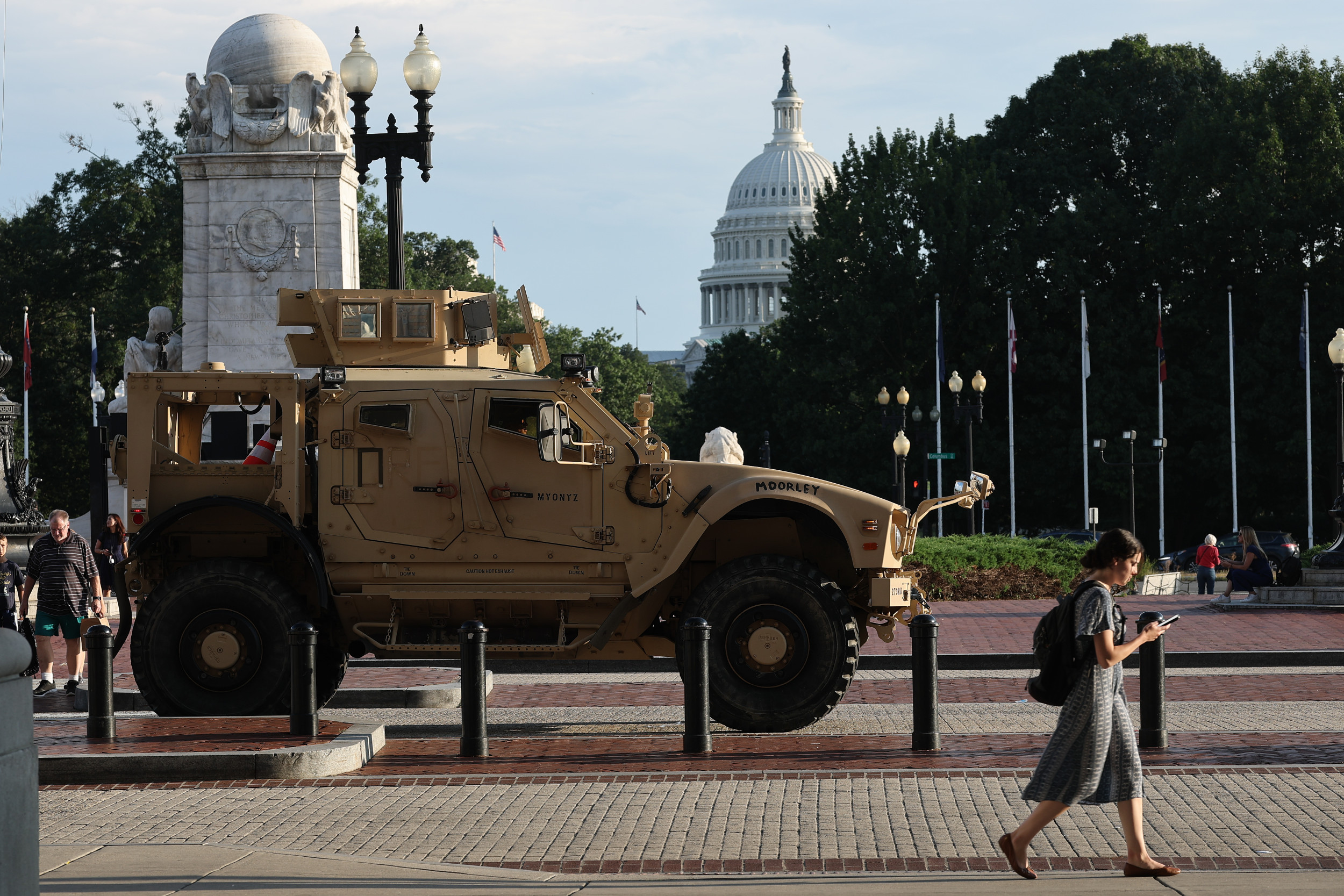
Six states have recently agreed to deploy National Guard troops to Washington, D.C., as part of a broader effort to address concerns over crime and public safety in the nation's capital. This move has sparked significant debate, with legal challenges, public protests, and strong reactions from local officials who argue that the federal intervention undermines the city’s autonomy.
The deployment marks an unusual step in the relationship between federal and local authorities, raising questions about the use of the National Guard for domestic law enforcement and the extent of presidential emergency powers. The situation has drawn attention from both supporters and critics, highlighting the complex dynamics at play.
States Involved in the Deployment
As of Monday evening, six states have committed to sending National Guard members to Washington, D.C. These include West Virginia, Mississippi, Tennessee, Louisiana, South Carolina, and Ohio. According to reports, West Virginia is expected to send 300 to 400 troops, while South Carolina will contribute 200. Ohio plans to send approximately 150 soldiers, and Louisiana Governor Jeff Landry announced that his state will deploy 135 soldiers along with 200 from Mississippi and 160 from Tennessee.
Prior to these additional deployments, around 800 National Guard members had already been activated in the District. Governors from multiple Republican-led states have stated their willingness to send troops at the request of the administration. This coordinated response reflects a shared concern among some state leaders about the current conditions in Washington, D.C.
President Trump's Declaration of Emergency
President Donald Trump declared a public-safety emergency for Washington, D.C., and ordered a federal operation involving both federal agents and National Guard personnel. The president emphasized the need to restore law and order and to "restore the capital's beauty," as he stated on social media. His administration has framed the deployment as a necessary measure to address rising crime and ensure the safety of the city.
Trump also claimed that the District of Columbia had provided "Fake Crime numbers" to create a false impression of safety. He asserted that the city had become one of the most dangerous places in the United States before the recent changes, and that it was now becoming safer. However, these claims have been met with skepticism and scrutiny from local officials and experts.
Reactions from State Leaders
Several governors have publicly supported the deployment of National Guard troops to Washington, D.C. Mississippi Governor Tate Reeves, a Republican, stated that he had approved the deployment of approximately 200 Mississippi National Guard soldiers to support the president's efforts to restore law and order. He emphasized the need to address the crime crisis in the capital and expressed confidence in the National Guard's ability to enhance public safety.
Louisiana Governor Jeff Landry also endorsed the mission, stating that the deployment of 135 National Guard soldiers would help restore safety and peace in the capital. He highlighted the importance of maintaining law and order and expressed pride in supporting the president's initiative.
D.C. Officials' Response
D.C. Mayor Muriel Bowser has strongly criticized the federal actions, calling them "un-American." She has pointed out that the law requires the mayor to provide services from the Metropolitan Police Department for federal purposes when requested by the president. However, she has also raised concerns about the lack of legal authority for federal officials to take control of the city’s police department.
Washington officials have filed litigation to block aspects of the federal takeover, and a court directive led to a partial rollback of an attempt to place the city's police department under federal command. This legal battle underscores the tension between local governance and federal intervention.
Public Protests and Legal Challenges
The deployment has also prompted widespread public protests across the country, with many citizens expressing opposition to the federal takeover of local law enforcement. Demonstrators have taken to the streets to voice their concerns, arguing that the move threatens civil liberties and local autonomy.
In addition to the protests, legal challenges continue to mount against the administration's actions. Critics argue that the use of the National Guard for law enforcement purposes may set a dangerous precedent and could lead to further erosion of civil rights.
What Comes Next?
As the situation unfolds, the focus remains on the legal and political implications of the federal intervention. The ongoing litigation and public outcry suggest that the debate over the role of the National Guard and the balance of power between federal and local authorities is far from over. The outcome of these discussions will likely shape future policies and responses to similar situations.

Post a Comment for "Map reveals states sending National Guard to D.C."
Post a Comment