Map reveals nations that reject Palestinian state recognition
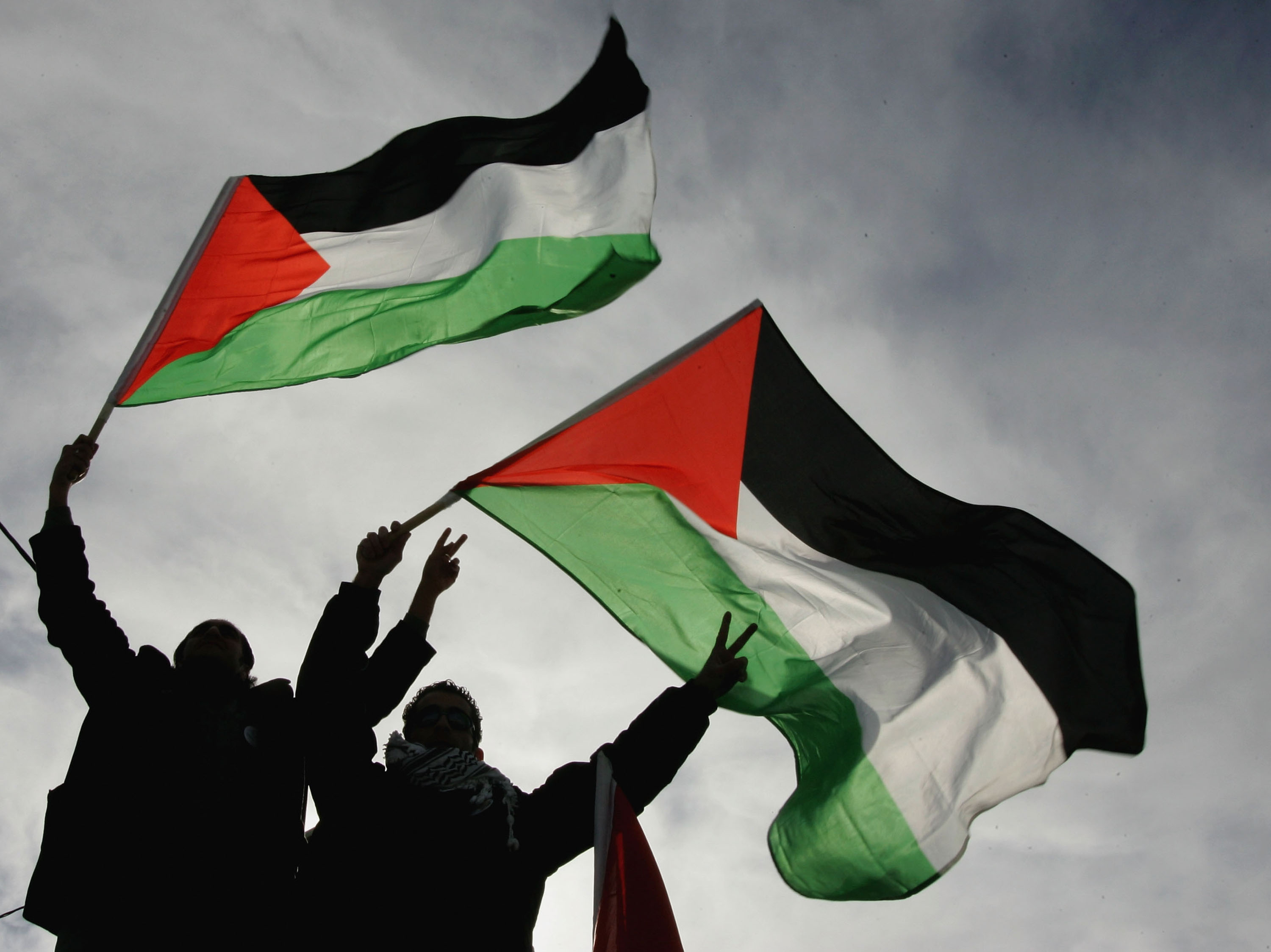
UK Considers Recognizing Palestinian State Amid Ongoing Conflict
The United Kingdom may soon join a growing number of nations in recognizing the State of Palestine, as Prime Minister Keir Starmer announced on Tuesday. This potential move signals a significant shift in the UK's foreign policy approach to the Israel-Hamas conflict, which has been escalating since October 7, 2023.
On that day, Hamas launched a large-scale attack on Israel, resulting in the deaths of over 1,200 people and the abduction of 251 individuals. Since then, Israel has conducted a military operation in Gaza, leading to more than 60,000 reported casualties, according to the Gaza Health Ministry. The situation has drawn international concern, with many criticizing the high number of civilian casualties and displacement.
Starmer's announcement comes amid increasing worries about the potential for mass starvation among civilians in Gaza. Israeli Prime Minister Benjamin Netanyahu has denied these claims, but the humanitarian crisis continues to escalate. In response, Starmer stated that the UK will recognize Palestine unless Israel meets specific conditions by September.
"I have always said that we will recognize a Palestinian state as a contribution to a proper peace process at the moment of maximum impact for the two-state solution," Starmer said. "I can confirm the U.K. will recognize the State of Palestine by the United Nations General Assembly in September, unless the Israeli government takes substantive steps to end the appalling situation in Gaza, agree to a ceasefire and commit to a long-term sustainable peace reviving the prospect of a two-state solution."
This decision aligns with similar announcements from other countries. French President Emmanuel Macron recently declared that France would also recognize a Palestinian state in September. However, the recognition of Palestine remains a contentious issue, with varying approaches taken by different nations.
Currently, Palestine is recognized by 147 of the United Nations' 193 member states. In November 2012, the Palestinian delegation was upgraded to non-member observer status at the UN. Despite this, the United States and several other countries in the Anglosphere, including Canada and Australia, do not recognize Palestine as an independent nation.
In contrast, most countries in South America, Africa, and Asia do recognize Palestine, with notable exceptions such as South Korea, Myanmar, and Cameroon. Europe shows a more divided stance, with some countries like Ireland and Poland supporting recognition, while others, including Portugal and Italy, do not.
Many countries support a two-state solution for Israel and the Palestinian territories, including the West Bank and Gaza, or some form of Palestinian self-determination, without necessarily recognizing Palestine as an independent nation. This nuanced approach reflects the complex geopolitical landscape surrounding the conflict.
Reactions from International Leaders
French President Emmanuel Macron emphasized his commitment to a just and lasting peace in the Middle East, stating that France would recognize the State of Palestine before the United Nations General Assembly in September. He highlighted the urgent need to end the war in Gaza and provide relief to the civilian population.
Israeli Prime Minister Benjamin Netanyahu expressed strong opposition to the recognition of a Palestinian state, arguing that it would pose a threat to Israel's security. He claimed that Palestinians do not seek a state alongside Israel, but rather a state instead of Israel.
Jill Stein, the Green Party's presidential candidate in multiple elections, has previously voiced her support for Palestinian statehood, emphasizing the urgency of addressing the humanitarian crisis in Gaza. She pointed out that Israel is conducting what she described as the fastest starvation campaign in modern history, with over 2 million lives at risk, including many children.
What Comes Next?
Starmer has indicated that he will wait until September to make a formal decision on recognizing Palestine. Meanwhile, Israel continues to face international pressure over its military operations in Gaza, while Hamas faces calls to return the remaining hostages. Recent attempts at peace talks have stalled, highlighting the complexity of achieving a lasting ceasefire.
As the situation evolves, the international community remains closely watching the developments and the potential impact of the UK's decision on the broader conflict. The recognition of Palestine could mark a pivotal moment in the ongoing efforts to achieve peace and stability in the region.

Post a Comment for "Map reveals nations that reject Palestinian state recognition"
Post a Comment