Mach 3 Spy Plane in Four Words
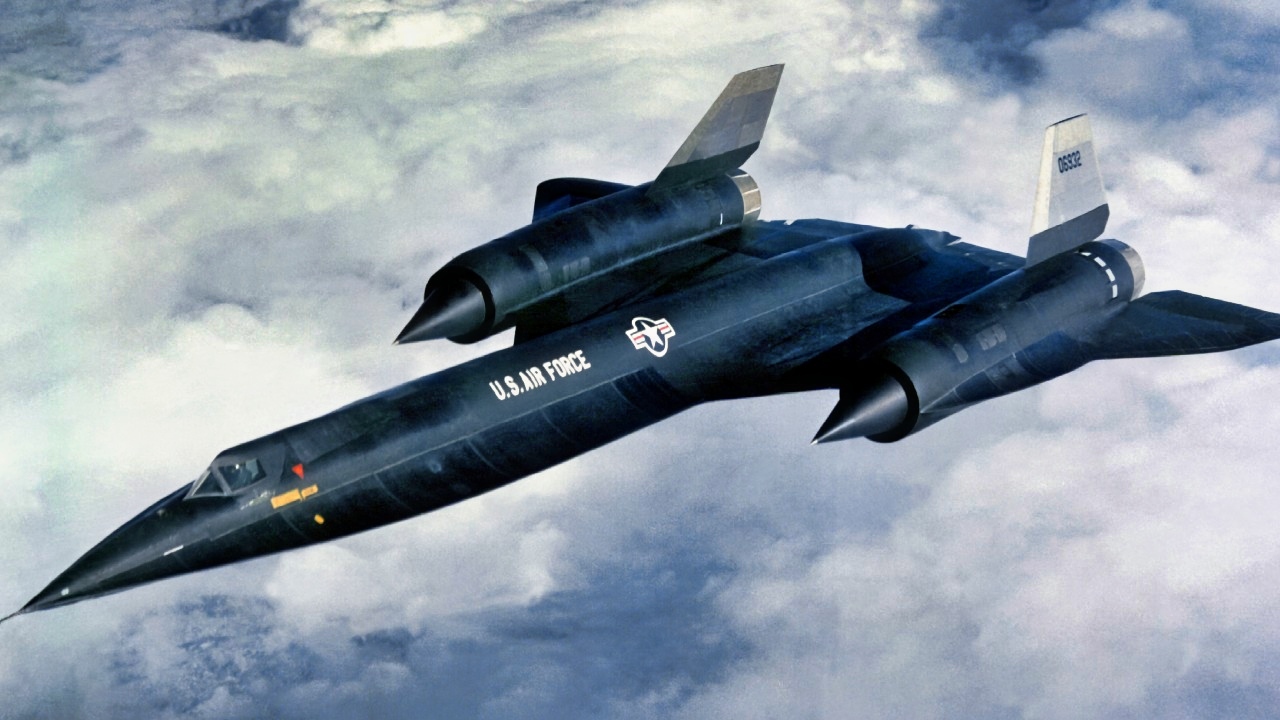
The Origins of the A-12 Oxcart: America’s Secret Mach 3 Spy Plane
Long before the SR-71 Blackbird became a symbol of American aerospace engineering, there was another aircraft that laid the groundwork for supersonic reconnaissance. This was the A-12 Oxcart, a secret project developed by the CIA at Area 51. Unlike the more famous SR-71, the A-12 was a single-seat spy plane that flew faster and higher than any other aircraft of its time.
The A-12 was designed to operate in an environment where traditional reconnaissance planes were no longer safe. With the Soviet Union improving its air defenses, the U-2 spy plane—once a key asset—became increasingly vulnerable. The 1960 downing of Francis Gary Powers over Soviet airspace was a stark reminder of this vulnerability. In response, the U.S. needed a new aircraft that could fly beyond the reach of enemy missiles and radar systems.
The Development of the A-12 Oxcart
The CIA took the lead in developing this new aircraft, commissioning Lockheed’s Skunk Works division to create what would become the A-12 Oxcart. The project was classified from the start, with only a select few individuals aware of its existence. The aircraft was built using titanium sourced from the Soviet Union, which was acquired through a network of front companies to avoid suspicion. This material choice was essential, as traditional aluminum alloys would have melted under the extreme heat generated at high speeds.
The A-12 was powered by two Pratt & Whitney J58 turbojet engines, which operated in a hybrid mode. At lower speeds, they functioned like conventional turbojets, but at higher speeds, they transitioned into a ramjet-like configuration. This allowed the aircraft to maintain sustained supersonic flight, making it one of the fastest planes ever built.
Technological Innovations and Capabilities
In addition to its speed and altitude capabilities, the A-12 incorporated early stealth features. Its design reduced its radar cross-section, and it used radar-absorbing materials on its surface. These innovations were ahead of their time and laid the foundation for future stealth technology.
The A-12 first took flight in 1962 and became operational in 1967 under the "Black Shield" program. It conducted reconnaissance missions over North Vietnam, North Korea, and other strategic locations during the Cold War. Despite its success, the program had a short lifespan, retiring in 1968 due to budget constraints and inter-agency rivalry.
The Rise of the SR-71 Blackbird
The A-12’s design served as the basis for the SR-71 Blackbird, which entered service with the U.S. Air Force. While the SR-71 was based on the A-12’s technology, it was a two-seat aircraft with more advanced sensors and a greater range. This made it better suited for long-term military operations. However, the A-12 was slightly faster and could fly at higher altitudes.
Despite these differences, both aircraft shared a common legacy. The A-12 demonstrated the feasibility of sustained Mach 3 flight and pushed the boundaries of aerospace engineering. Many of the innovations developed for the A-12 influenced future aircraft and helped maintain the United States’ technological edge during the Cold War.
The Legacy of the A-12 Oxcart
One reason the A-12 is often forgotten is that its entire program was shrouded in secrecy. It was developed and tested at Area 51, and only a small number of government officials knew about its existence. Pilots were handpicked and trained under assumed identities, adding to the mystery surrounding the aircraft.
The A-12’s story remained classified for decades until the 1990s when declassified information revealed the full extent of its capabilities. By that time, the SR-71 had already captured public attention. However, the A-12’s contributions to aerospace technology and reconnaissance remain significant.
Although the program was short-lived, the A-12 left a lasting impact. It proved that sustained supersonic flight was possible, pioneered stealth technologies, and set the stage for future advancements in aviation. Despite the challenges and risks involved, the A-12 remains a remarkable example of engineering excellence and Cold War innovation.

Post a Comment for "Mach 3 Spy Plane in Four Words"
Post a Comment