Luxury Apartments Rise in Ohio State Area
The Dilemma of Student Housing: Luxury or Necessity?
When August Tucker, a third-year student at Ohio State University, was looking for off-campus housing, he faced a stark choice. One option was a modest home shared with two roommates near South campus, costing around $500 a month and just a 20-minute walk from class. The other was a luxury apartment with amenities like a rooftop pool, Jumbotron, sauna, yoga studio, in-house cafe, and pet spa, all within steps of campus—but at an average cost of $2,100 a month.
Tucker opted for the more affordable option, even though it meant sacrificing some comfort. “Sure, these cheaper places are not great quality, but we’re gonna be more comfortable financially,” he said. “It’s just frustrating; we’re all part-time, minimum-wage workers.”
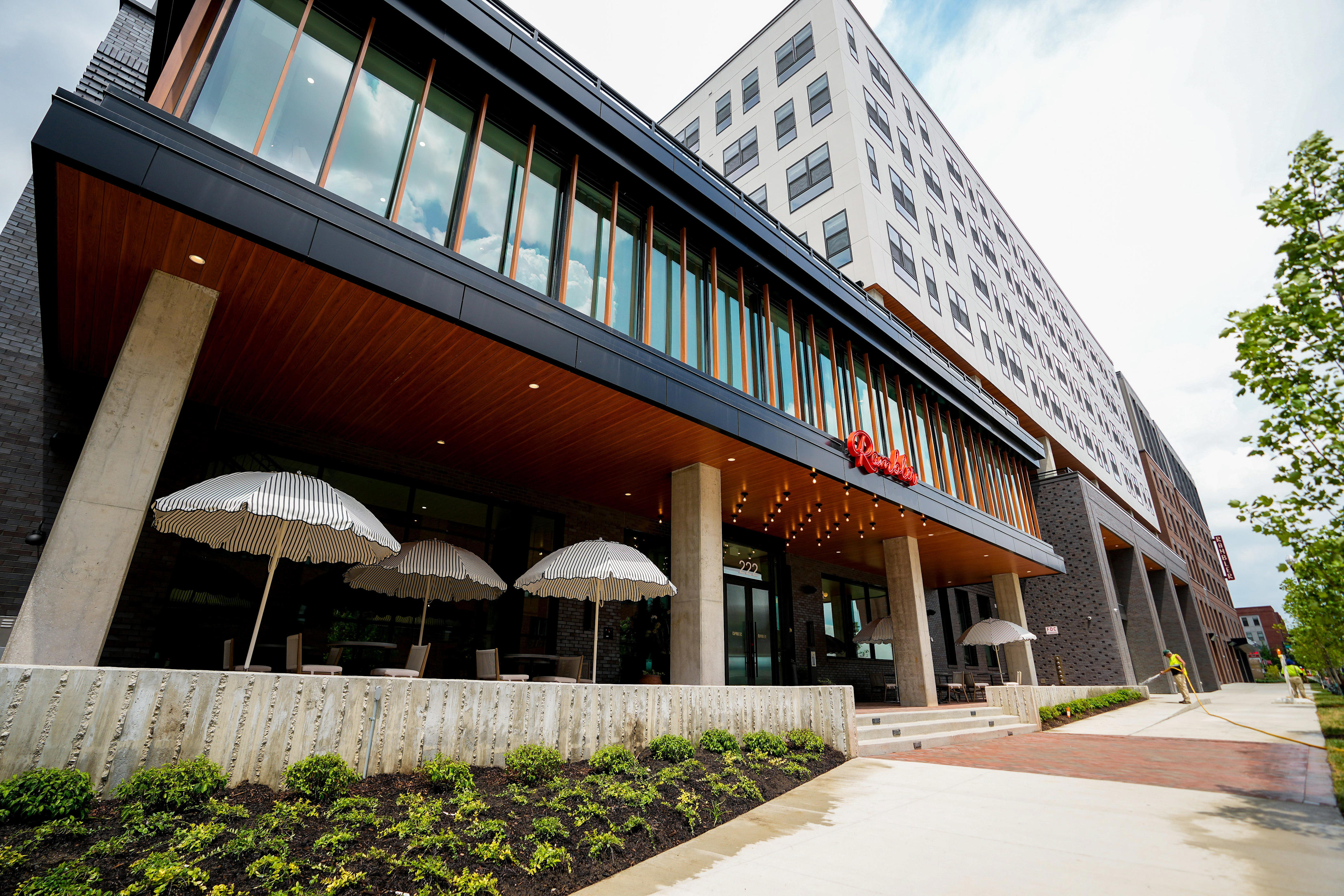
This dilemma reflects a broader trend in the University District, where luxury student housing has become increasingly common. Over the past two decades, high-rises like 8th and High, Wilson Place, Lumen on Ninth, and now Rambler have transformed the area. These developments offer luxurious amenities but come with steep price tags.
The Cost of Construction
According to Erin Prosser, deputy director of housing strategies for Columbus, the high rent costs of luxury housing aren’t just about the amenities. “It actually comes down to construction,” she explained. High building costs force developers to charge higher rents, which in turn justify the addition of luxury features.
Columbus has experienced population growth without significant housing development, leading to a housing shortage. Prosser noted that as the city restores its housing stock, prices should eventually drop in seven to nine years. However, for current students, this timeline offers little relief.
Real estate market analyst Rob Vogt has a different take. He believes the luxury student housing market in the University District is already overbuilt and predicts that rental rates will decline within the next two years. He pointed to rent concessions offered by developers as an early sign of market issues.
Affordable Housing: A Community Responsibility
Carlie Boos, executive director of the Affordable Housing Alliance of Central Ohio, emphasized the importance of balancing luxury and affordability. “No one should contribute more than one-third of their income to housing,” she said. While luxury housing can meet the needs of affluent individuals, it’s equally important to provide affordable options for those who can’t afford the high costs.
Boos acknowledged that high construction costs are driving up rents, but she believes intentional planning can help create more affordable housing. Unfortunately, there are still not enough starter homes or apartments in the University District.
Developer Perspectives
Jonathan Reyes, president of LV Collective, which owns Rambler, said the company conducted extensive research before developing the property. He claimed that Rambler’s emphasis on larger, more affordable units helped meet the community’s needs. “As you can tell by 92% pre-lease on a rendering, I think we kind of matched that perfectly,” he said.
Jared Schiff, president of The Schiff Real Estate Company, which owns Wilson Place, admitted that the property may not be accessible to everyone but argued that costs reflect what the market can bear. “You can wear a Marc Jacobs purse, or you can wear a Louis Vuitton purse,” he said. “You can make the same argument about housing. It comes down to what you can afford.”
Despite high pre-lease rates, Vogt remains skeptical. He questioned whether these numbers reflect true occupancy or just marketing tactics. Both Rambler and Wilson Place have offered rent concessions this summer, though developers claim these are not indicators of vacancies.
The Future of Student Housing
Experts agree that while rent rates will eventually drop, Columbus still has a long way to go in making housing more affordable. Prosser highlighted initiatives like Zone In Columbus, which aims to streamline development and incentivize affordable units. Mayor Andrew Ginther’s bond package proposal also includes funding for affordable housing.
Boos praised these efforts but stressed that more work is needed. “We have these really talented people who could go on to cure cancer or travel to Mars,” she said. “But instead, we’re seeing young people drop out of education because they can’t afford the housing to go with it.”
Rambler Rent Costs
Here are the average rent costs at Rambler, based on unit size:
- Studio (71 units): $1,901
- 1 bed (88 units): $2,155
- 2 bed (184 units): $1,599
- 3 bed (57 units): $1,462
- 4 bed (280 units): $1,294
- 5 bed (125 units): $1,239
- 6 bed (84 units): $1,225
- All units (889): $1,487
The debate over luxury student housing continues, with students like Tucker facing difficult choices between affordability and comfort. As the University District evolves, finding a balance between luxury and accessibility remains a critical challenge for the community.

Post a Comment for "Luxury Apartments Rise in Ohio State Area"
Post a Comment