Low Water Levels Halt Colorado River Negotiations
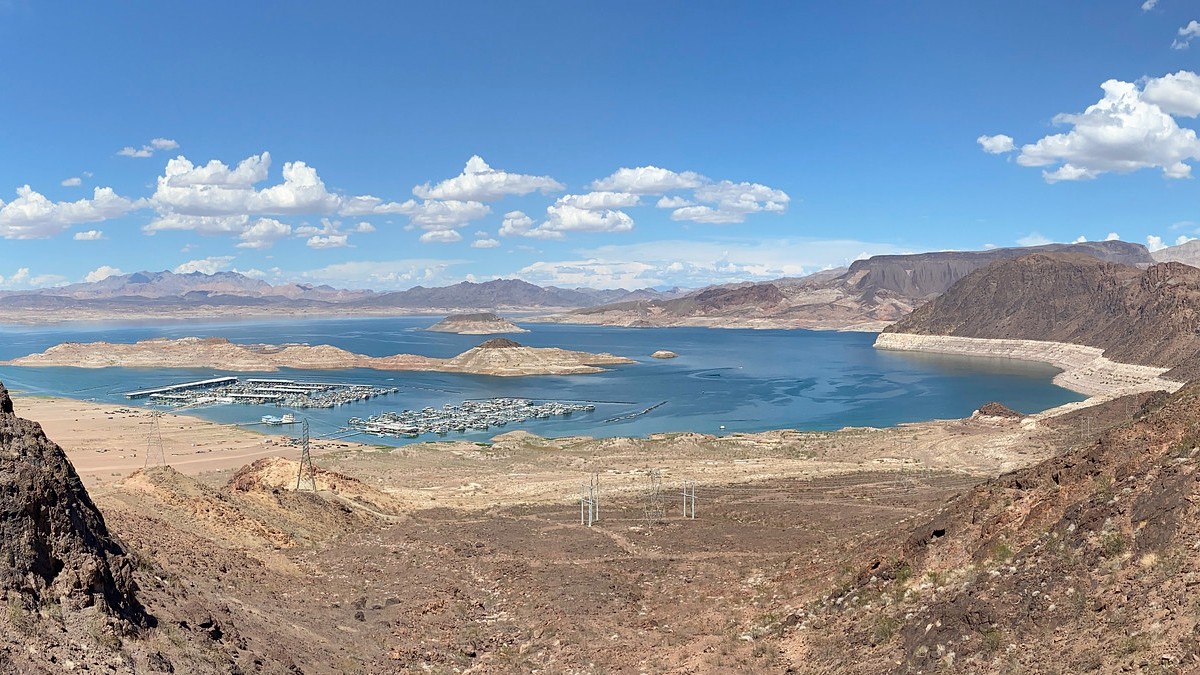
The Colorado River Crisis: A Growing Threat to the West
The Colorado River, a lifeline for millions of people and vast agricultural regions across the southwestern United States, is facing an increasingly dire situation. After one of the driest years in decades, Lake Mead and Lake Powell — the two largest reservoirs in the country — are at risk of significant declines in the coming years. Federal officials have issued a stark warning, urging states in the basin to take immediate action to avoid further depletion.
The U.S. Bureau of Reclamation has released a two-year projection that highlights the growing urgency for the seven states in the Colorado River Basin to come together and establish a new agreement. Arizona and Nevada are being asked to reduce their water allocations from the river, while California, which holds senior water rights, will not face the same cuts. This decision has intensified tensions among the states, as they struggle to find common ground on how to manage the dwindling resource.
Strained Relationships and Increasing Pressure
The Lower-Basin states — California, Arizona, and Nevada — are in conflict with the Upper-Basin states — Colorado, Wyoming, Utah, and New Mexico — over how to share the river’s shrinking supply. Negotiations have become increasingly difficult, with each side pushing for different solutions to ensure the long-term sustainability of the river.
J.B. Hamby, California’s chief negotiator, emphasized the need for all basin states to take responsibility for the river’s future. “The future of the Colorado River cannot rest on our shoulders alone,” he said. However, Becky Mitchell, Colorado’s commissioner to the Upper Colorado River Commission, argued that if the lower basin can adapt to a drier river, a consensus may be possible.
Federal officials have given the states a deadline of November 11 to finalize a broad agreement, or risk federal intervention. Interior Secretary Doug Burgum has made it clear that he would prefer a voluntary solution, but he warned that the government is prepared to step in if necessary.
High Stakes for California
California, which relies heavily on the Colorado River for agriculture and urban water supplies, faces particularly high stakes. The state uses a significant portion of the river’s water to irrigate crops in the Imperial Valley and to supply cities in Southern California. Additionally, more than half of the power generated at Lake Mead’s Hoover Dam goes to California.
Water suppliers in California are also working on separate negotiations to address potential shortages between themselves and Arizona. Bill Hasencamp, manager of Colorado River resources for the Metropolitan Water District, noted that even with record conservation efforts, more action is needed. “We have to do even more than we’ve been doing in dry years,” he said.
A Century of Agreements and Rising Challenges
For over a century, a complex web of treaties, legal agreements, and deals has governed the distribution of the Colorado River’s water. It serves 40 million people, seven U.S. states, two Mexican states, 30 federally recognized tribal nations, and 5.5 million acres of farmland. However, demand has long exceeded supply, and recent climate change-driven droughts have only worsened the situation.
By 2021, the river had lost the equivalent of Lake Mead’s volume due to prolonged dry conditions. In 2022, the driest 23-year stretch in over a century sent reservoir levels to historic lows, prompting emergency measures and warnings of federal intervention.
Despite billions of dollars in federal funding and temporary drought relief efforts, the reservoirs remain at dangerously low levels. Experts predict that another dry year could push Lake Powell below the threshold needed for power generation by December 2026.
Climate Change and the Future of the River
Climate change is exacerbating the crisis, with rising temperatures causing thirsty soils to absorb more runoff before it reaches the river. Although precipitation in the upper basin reached 80% of average this year, spring runoff into Lake Powell was only 41% of normal.
Brad Udall, a senior water and climate research scientist at Colorado State University, described the situation as “beyond awful.” While he remains cautiously optimistic, he acknowledged that the pressure is mounting.
Under the Trump administration, a new proposal is being considered that would allocate a certain percentage of the river’s average flow to each basin. If finalized, the lower basin and Mexico could receive between 55% and 75% of the average flow. The exact percentage will be determined by November, a critical deadline for the states.
A Call for Stronger Policies
A recent study led by Benjamin Bass, a researcher at UCLA’s Center for Climate Science, warns that without updated policies, the reservoirs could reach “deadpool” — the point at which water can no longer be released — within the next few decades. “That’s really why we need to shift away from existing policy to something more stringent,” Bass said.
As the Colorado River continues to face unprecedented challenges, the need for a comprehensive and cooperative approach has never been more urgent. The future of the river — and the millions who depend on it — hangs in the balance.

Post a Comment for "Low Water Levels Halt Colorado River Negotiations"
Post a Comment