Louisville Study Tracks Cancer Risks with Silicone Wristbands
A New Approach to Understanding Cancer
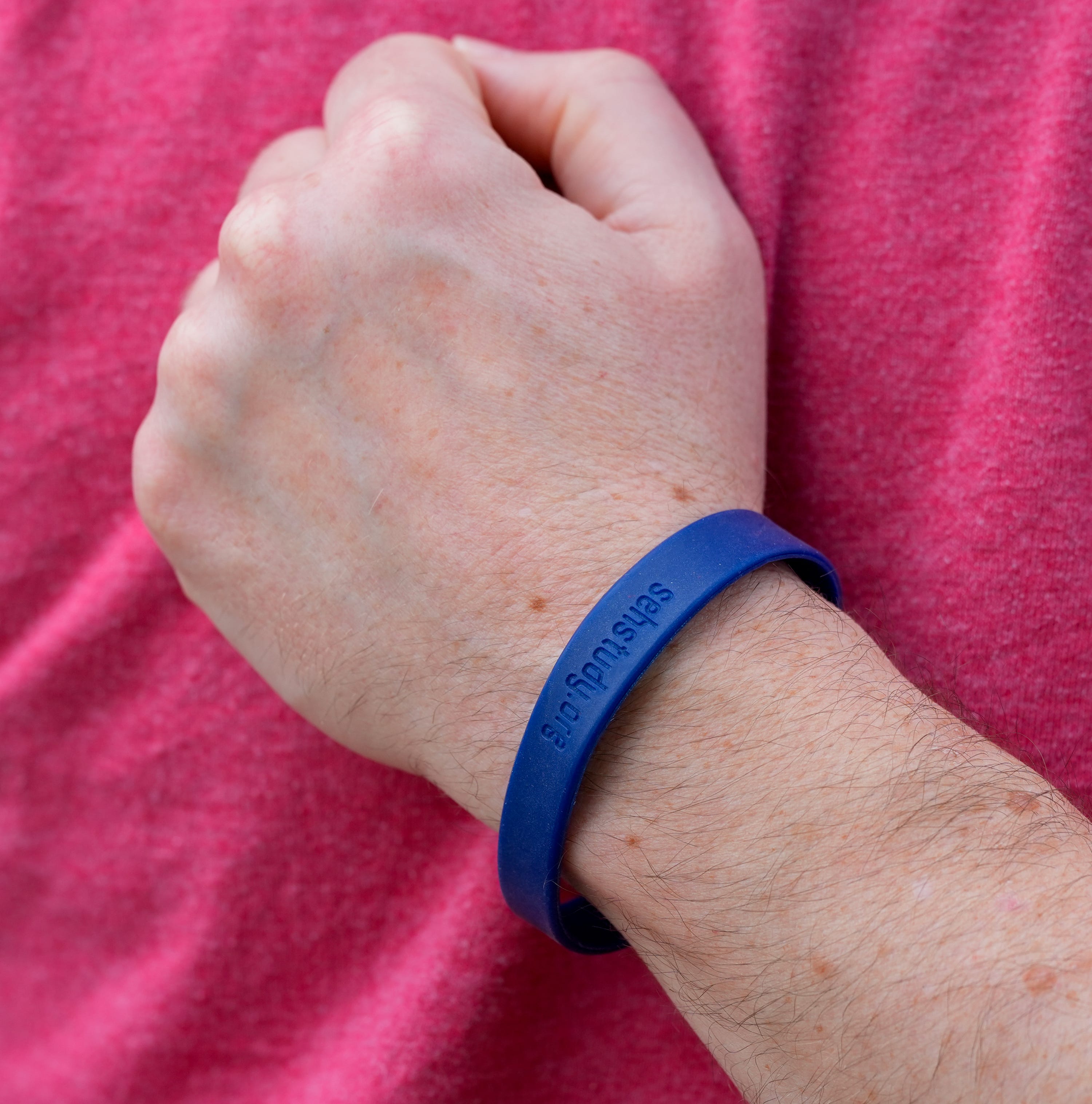
A simple silicone wristband is playing a crucial role in advancing cancer research, particularly in Louisville and across the southern United States. The Southern Environmental Health Study is a collaborative effort between researchers at Vanderbilt University and medical professionals at Louisville's Family Health Centers Inc. This initiative aims to gather more definitive data on environmental factors that contribute to cancer.
While previous studies have focused on specific chemicals through animal testing, this new study takes a broader approach. It considers various risks, including air quality, sleep patterns, and other lifestyle factors. Dr. Martha Shrubsole, a researcher at Vanderbilt University, emphasized the importance of this comprehensive perspective.
Lifestyle and Environmental Factors
Evan Sims, a research assistant involved in the study, highlighted the significance of career and lifestyle components. "Someone who works in manufacturing for 30 years is going to come in contact with chemicals that someone who is a receptionist won't come in contact with," he explained. This insight underscores the need to account for different exposures among participants.
The wristbands are designed to mimic how skin absorbs particles from the environment. They can collect organic chemicals from the air, water, and even the wearer’s skin. This allows researchers to identify over 1,400 potentially dangerous chemical signals. Participants also have the option to provide blood, urine, and saliva samples, which can further enhance the data collected.
Data Collection and Analysis
After completing a general survey, participants wear the wristband for seven days. The data collected is then sent to a laboratory for analysis. While most participants do not have a cancer diagnosis when they join the study, researchers can review the data years later to compare those who developed cancer with those who did not.
This long-term approach helps identify patterns and potential correlations between environmental exposures and cancer development. The study is essential due to two key factors: the lack of clarity on what causes cancer overall and the higher cancer rates observed in southern states. According to data from the National Cancer Institute, Kentucky has the highest cancer rates in the U.S., making it a critical area of focus.
Community Involvement and Impact
The Southern Environmental Health Study has already seen significant participation. As of late June, nearly 450 community members in Louisville had enrolled, with over 14,000 participants across the southern U.S. Researchers aim to reach a total of 35,000 participants in the coming years.
Melissa Mather, the chief communications officer at FHC, decided to participate in the study because her mother was a lung cancer survivor. She believes that contributing to such research is a meaningful way to give back. “So many of us have a person in our lives who has had cancer or has been affected by cancer, so doing something simple like wearing a wristband that can help researchers at an institution like Vanderbilt feels like something I can do to give back,” she said.
How to Participate
If you are between the ages of 40 and 70 and currently reside in a southern state, you can contribute to this important study. Participation involves completing a survey and wearing a wristband for seven days. You can sign up through FHC or call 502-772-8684. Participants may earn up to $45 for their involvement.
By taking part in the Southern Environmental Health Study, individuals can play a vital role in advancing cancer research and helping to create healthier communities for future generations. The insights gained from this study could lead to better prevention strategies and improved outcomes for those affected by cancer.

Post a Comment for "Louisville Study Tracks Cancer Risks with Silicone Wristbands"
Post a Comment