Los Angeles Wildfires Tied to 440 Deaths, Study Finds
Understanding the Hidden Toll of Wildfires
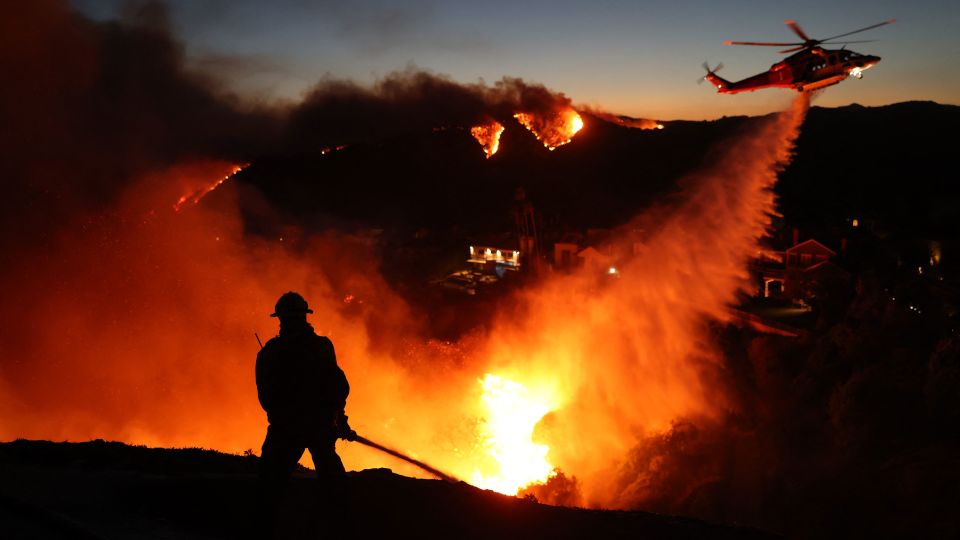
Wildfires have always been a devastating force, but their impact often extends far beyond the immediate destruction they cause. The wildfires that swept through Los Angeles earlier this year are a prime example of how these natural disasters can leave a lasting mark on public health and mortality statistics.
According to a recent study published in The Journal of the American Medical Association, the Palisades and Eaton fires may have led to significantly more deaths than initially reported. While official records indicated at least 30 direct fatalities, the study suggests that as many as 410 additional deaths could be linked to the wildfires between January 5 and February 1. This brings the total estimated number of wildfire-related deaths to 440.
The researchers attribute these excess deaths to a combination of factors, including exposure to poor air quality, delays in healthcare, and disruptions to essential medical services. These indirect effects highlight the complex and long-lasting consequences of such disasters.
A Personal Motivation for Research
Andrew Stokes, an associate professor at Boston University and one of the study's authors, was deeply affected by the wildfires. Having lost friends and family to the disaster, he felt compelled to investigate the broader impact of the fires using his expertise in mortality demography. Stokes' work has previously focused on understanding the true toll of the pandemic, where many deaths went uncounted.
By applying similar methodologies to the wildfires, Stokes and his team aimed to uncover the hidden mortality burden associated with these events. Their research goes beyond direct fatalities, considering deaths that may have been indirectly caused by the fires. This includes individuals whose pre-existing conditions were worsened by smoke exposure or stress, as well as those who faced challenges accessing healthcare due to the disruption caused by the fires.
Methodology and Findings
To conduct the study, researchers compared recorded deaths in Los Angeles County from January to February with historical data from previous years. They excluded data from 2020 to 2023 due to the impact of the COVID-19 pandemic, which could have skewed the results.
The study found that during the period from January 5 to February 1, 2025, weekly deaths consistently exceeded expected levels. In total, 6,371 deaths were recorded, compared to an estimated 5,931 expected deaths. This indicates that nearly 7% of the recorded deaths in the county were excess deaths directly linked to the wildfires.
Stokes expressed surprise at the findings, noting that the underreporting of deaths in official data is "very severe." He hopes that quantifying these excess deaths will lead to better support for those still recovering from the devastation.
Long-Term Implications
The researchers emphasize that the current findings represent a lower bound, as they only considered the first weeks after the fires began. They caution that medium- and long-term health effects could emerge over time, as people develop diseases related to the wildfires.
Future studies should focus on investigating the longer-term health impacts of the fires and identifying the specific causes of the excess deaths. By doing so, researchers can provide a more comprehensive understanding of the true toll of such disasters.
As the conversation around climate-related emergencies continues to evolve, it becomes increasingly important to recognize the full scope of their impact—both immediate and long-term. The findings from this study serve as a critical reminder of the need for ongoing research and improved public health responses to natural disasters.

Post a Comment for "Los Angeles Wildfires Tied to 440 Deaths, Study Finds"
Post a Comment