Liver Cancer Can Be Prevented, Study Finds
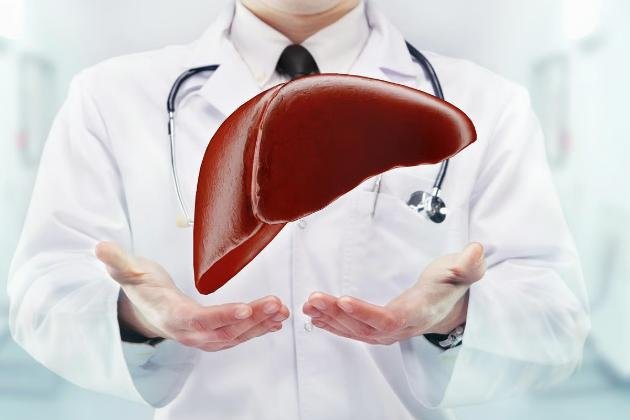
Global Study Reveals 60% of Liver Cancer Cases Are Preventable
Liver cancer is a significant global health concern, but new research suggests that many cases could be prevented through targeted interventions. A recent global study has found that up to 60% of liver cancer cases are avoidable by addressing key risk factors such as viral hepatitis infections, alcohol misuse, and the buildup of fat in the liver linked to obesity.
The findings highlight a critical opportunity for countries to take action and reduce the burden of this deadly disease. Dr. Stephen Chan, the lead author of the study from the Chinese University of Hong Kong, emphasized that addressing these risk factors could save countless lives.
The study, published in The Lancet, underscores the severity of liver cancer, which ranks as the sixth most common cancer globally and the third leading cause of cancer-related deaths. The impact of the disease varies widely across different regions, with China bearing a particularly heavy burden—accounting for over 40% of all liver cancer cases due to widespread hepatitis B infection.
Without intervention, the number of liver cancer cases is expected to nearly double by 2050, reaching more than 1.5 million annual cases worldwide. This alarming trend highlights the urgent need for action to prevent further escalation of the crisis.
Challenges in Treating Liver Cancer
Liver cancer is notoriously difficult to treat, especially when it affects the liver—the body’s primary organ for filtering blood. According to Dr. Jian Zhou of Fudan University in China, the five-year survival rate for liver cancer patients ranges from approximately 5% to 30%, making early detection and prevention even more crucial.
The report warns that without immediate and sustained efforts, the number of liver cancer cases and deaths could almost double within the next 25 years. This projection underscores the importance of implementing preventive measures and improving healthcare strategies to combat the disease.
Rising Risk Factors: Obesity and Metabolic Dysfunction
One of the most significant emerging risk factors for liver cancer is metabolic dysfunction-associated steatotic liver disease (MASLD), also known as non-alcoholic fatty liver disease. This condition involves a gradual accumulation of fat in the liver, often associated with obesity.
According to the researchers, up to a third of the global population has some level of MASLD, and the prevalence is expected to rise as obesity rates increase. By 2040, it is projected that 55% of Americans will have MASLD, significantly increasing their risk of developing liver cancer.
Dr. Hashem El-Serag of Baylor College of Medicine in Houston noted that liver cancer was once primarily associated with viral hepatitis or alcohol-related liver disease. However, the rising rates of obesity have shifted the landscape, with excess fat around the liver becoming a major contributor to the disease.
Progress Against Viral Hepatitis
Despite the growing threat of obesity-related liver cancer, there has been progress in reducing the impact of viral hepatitis B (HBV) and C (HCV). The study indicates that the proportion of liver cancer cases linked to HBV is expected to decrease from 39% in 2022 to 37% by 2050. Similarly, HCV-related cases are projected to drop from 29% to 26% during the same period.
These improvements are attributed to better vaccination programs for hepatitis B and increased screening and treatment for hepatitis C. Continued efforts in these areas could further reduce liver cancer rates in the future.
Strategies for Prevention and Early Detection
To address the growing threat of liver cancer, the researchers recommend several strategies. One key approach is to integrate screening for liver damage into routine healthcare practices for individuals at high risk of MASLD, such as those with obesity, diabetes, or cardiovascular disease.
In addition to medical interventions, promoting healthy lifestyles can play a vital role in prevention. Encouraging balanced diets and regular physical activity can help reduce the risk of obesity and related conditions that contribute to liver cancer.
Even modest reductions in liver cancer incidence could have a significant impact. The study estimates that reducing cases by 2% to 5% annually could prevent 9 million to 17 million new cases by 2050, potentially saving up to 15 million lives.
Conclusion
The findings of this global study offer hope and a clear path forward. By focusing on prevention, early detection, and lifestyle changes, countries can make meaningful strides in reducing the burden of liver cancer. With coordinated efforts and continued research, the goal of preventing a large portion of liver cancer cases is within reach.

Post a Comment for "Liver Cancer Can Be Prevented, Study Finds"
Post a Comment