Light Rail Shooting Sparks Safety Fears in Seattle Amid Rising Ridership
Recent Incidents Highlight Growing Concerns Over Public Transit Safety
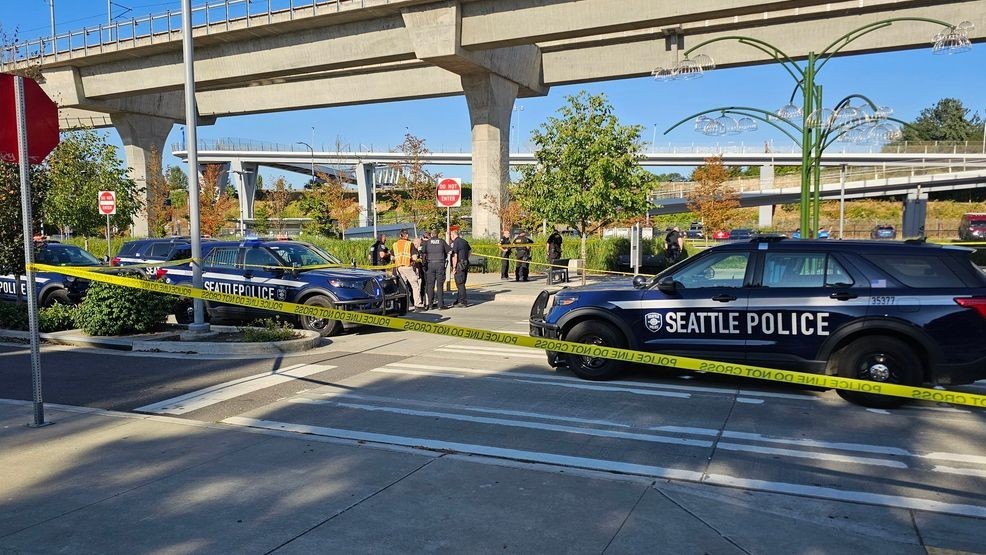
A recent shooting at a Seattle light rail station has reignited concerns about safety for transit riders, both on trains and buses. The incident occurred when a 48-year-old man was shot in the head after exiting the Northgate LINK station. He was standing near the bus bays on the street level when two men approached from behind, and one of them fired a gun at his head. The victim survived but remains in critical condition at Harborview Medical Center.
In response to the incident, Sound Transit announced plans to increase security staff at the Northgate station as well as across the entire system. These additional measures are expected to last through the end of the week and may be extended depending on the situation. The decision comes amid a series of other incidents that have raised questions about the safety of public transportation in the region.
Rising Crime and Increased Ridership
On July 23, a teenager was seriously injured after being stabbed aboard a King County Metro bus traveling through Burien. Authorities reported that the incident began with a fight on the bus and escalated into a stabbing. Such events have led to increased scrutiny of safety protocols on public transit systems.
With the Revive I-5 project underway, more people are choosing public transportation over driving. This shift is partly due to traffic congestion caused by northbound lane closures, which are expected to continue until mid-August. As a result, Sound Transit has seen an increase in ridership. However, data collection and processing delays mean that official figures for July will not be available until late next month.
Enhanced Security Measures
Sound Transit currently contracts with four private security companies, investing $250 million over six years. This funding has allowed the agency to double its security presence over the past two years, with 550 security personnel now working on platforms or aboard trains. In addition, the King County Sheriff’s Office provides 68 deputies dedicated to Sound Transit.
To improve response times, Sound Transit has activated a rapid response unit called the FAST team, which can reach incidents in five minutes—half the previous time. There is also a separate bicycle security unit to enhance mobility. Despite these efforts, incidents still occur. In 2024, Sound Transit recorded 39 assaults involving weapons against passengers and 19 against transit workers. Another 183 passengers and 144 workers were involved in non-lethal assaults.
Expanding Safety Efforts
King County Metro has also been increasing its security staff and exploring further investments. King County Executive Shannon Braddock proposed an additional $26.1 million in safety and security funding for the transit agency. This is in addition to over $5 million contributed by the city of Seattle.
The funding will help increase the number of Metro Transit Police from 70 to 89 once all budgeted positions are filled. The number of Transit Security Officers (TSOs) has risen from 60 in 2021 to 220 currently. The budget also includes funds for stronger operator safety partitions on all Metro buses.
Despite these efforts, safety challenges persist. Between January and June this year, five bus operators were assaulted, compared to nine during the same period last year. There were also 16 passenger assaults and 39 passenger vs. passenger altercations during that time.
Addressing Traffic and Improving Service
To manage traffic congestion and rising demand on public transportation, an additional $3 million is being allocated for Seattle-funded bus routes and the Seattle Streetcar. Dedicated bus lanes operating 24/7 have been introduced along Aurora Avenue N, stretching from downtown to N 145th St. These lanes aim to improve service for the corridor’s nearly 14,000 daily riders.
The goal is to create a system where scheduled buses are no longer necessary, allowing riders to catch a bus every 5 to 15 minutes depending on the time of day.
Increasing Ridership and Challenges Ahead
Overall, Metro ridership has been steadily increasing. From the start of the year through June, there were 44 million boardings—an increase of 3 million compared to the first half of last year. Weekday ridership averages around 300,000 passengers.
While these improvements reflect progress, ongoing safety concerns remain a pressing issue for transit agencies and riders alike.

Post a Comment for "Light Rail Shooting Sparks Safety Fears in Seattle Amid Rising Ridership"
Post a Comment