Light Arrays and 3D Modules Boost Baby Coral Survival
Innovative Technologies Enhance Coral Restoration Efforts
Coral reefs are essential components of marine ecosystems, providing habitats for a vast array of sea life and protecting coastlines from erosion. However, these delicate ecosystems are under threat due to rising global temperatures and ocean acidification, which disrupt the food sources that corals rely on. As a result, many coral populations are experiencing significant declines. While natural processes like coral recruitment—where adult corals release larvae to recolonize reefs—can help replenish these populations, juvenile corals often face high mortality rates during their early stages of life. This creates a bottleneck that nature alone may not be able to overcome.
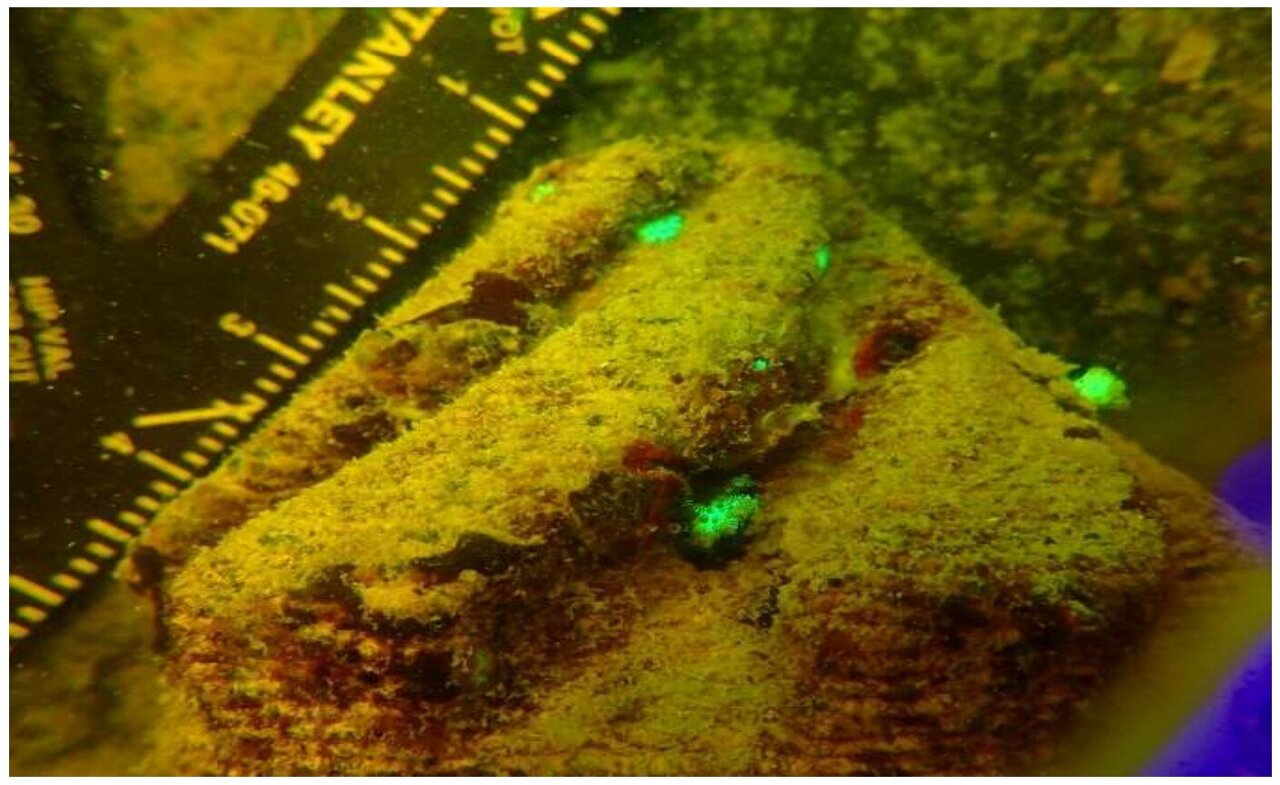
To address this challenge, researchers at The Ohio State University have developed two innovative technologies that could significantly improve the survival and growth of baby corals. These tools, the Underwater Zooplankton Enhancement Light Array (UZELA) and 3D printed artificial settlement modules, were tested in a recent study and showed promising results.
In a previous study, scientists discovered that UZELA was effective in attracting zooplankton, which are essential for coral feeding. The light array increased local zooplankton density and improved the feeding rates of adult corals. Building on this success, the latest research found that combining UZELA with 3D printed settlement modules could double the survivorship and quadruple the growth of coral recruits, or baby corals.
Shannon Dixon, the lead author of the study and a graduate student in earth sciences at Ohio State, emphasized the importance of coral recruitment for reef persistence. "Just like how trees drop seeds to create new trees, the life cycle of coral is very similar," she explained. However, some reefs, such as those in the Florida Keys, experience little to no coral recruitment, making human intervention necessary to ensure the survival of these critical ecosystems.
The study, published in Environmental Science & Technology, involved testing three types of artificial ceramic settlement modules: flat surfaces, smooth domes, and spiral domes. Each type had 10 modules, with half of them paired with UZELA to concentrate zooplankton. After six months, none of the corals on the flat surfaces survived, while some survived on both the smooth and spiral domes. Notably, those that grew with UZELA on the smooth and spiral domes had twice the survival rate compared to those without UZELA.
Andrea Grottoli, a senior co-author and professor in earth sciences at Ohio State, highlighted the significance of these findings. "This outcome is directly applicable to what we might expect survivorship and growth to look like on other reefs using these technologies," she said. She also noted that the tools used in the study are highly effective at improving coral feeding, which is crucial for the survival of baby corals.
UZELA is currently patent pending in several countries, including the United States, and has the potential to be scaled up for use in active coral restoration programs. While technological interventions like UZELA and the settlement modules can help some corals survive in certain locations, Grottoli acknowledged that there are real costs and efforts associated with these technologies.
One of the key areas for future research is determining the long-term impact of these devices on coral recruit survivorship, maturation, and reproduction. The team plans to investigate these factors further to better understand how these technologies can be applied on a larger scale.
"This project highlights how wonderfully you can combine technological interventions that you didn't necessarily see fitting together, but push the envelope to solve problems in new multidisciplinary ways," said Dixon. She emphasized the importance of collaborative science in addressing environmental challenges and improving conditions for coral reefs.
The study involved collaboration between researchers from The Ohio State University, the University of Hawaiʻi, and the R3D Consortium. Their findings offer a promising approach to enhancing coral restoration efforts and ensuring the survival of these vital marine ecosystems.

Post a Comment for "Light Arrays and 3D Modules Boost Baby Coral Survival"
Post a Comment