Less Colorado River Water for Arizona, Nevada, and Mexico in 2026
The Colorado River Faces Continued Water Shortages
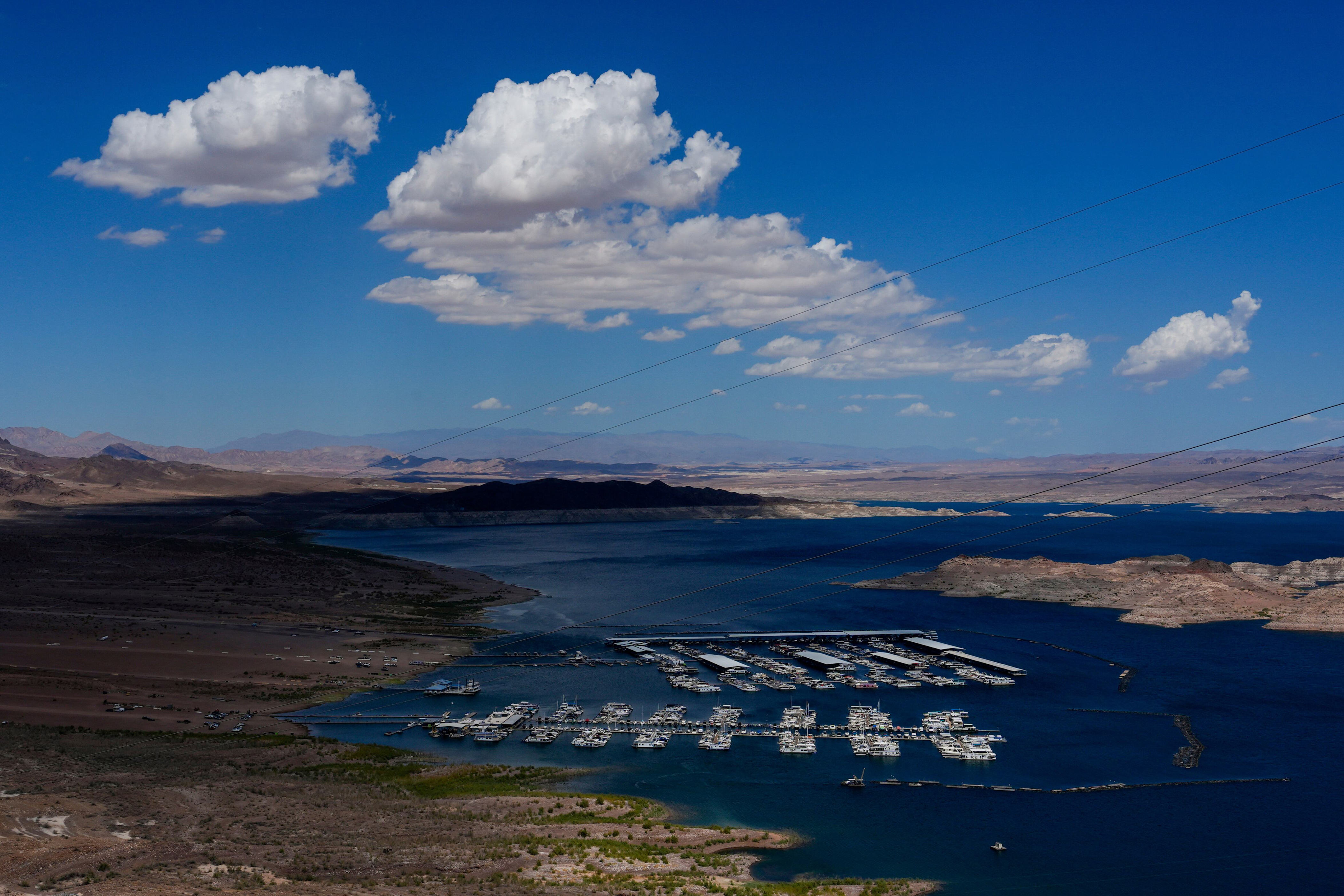
The Colorado River, a vital water source for seven U.S. states, 30 Native American tribes, and two Mexican states, is facing another year of reduced water allocations due to persistent drought conditions in the Western United States. Federal officials recently announced that Arizona, Nevada, and Mexico will experience further cuts in their share of the river’s water supply. These reductions are based on projections of reservoir levels at key locations such as Lake Powell and Lake Mead, which are monitored by the U.S. Bureau of Reclamation.
Arizona will see an 18% reduction in its total allocation from the Colorado River, while Mexico will face a 5% cut. Nevada, which receives less water than Arizona, California, or Mexico, will maintain its current 7% reduction. In contrast, California will not suffer any cuts because it holds senior water rights, meaning it is the last to be affected during times of shortage.
The ongoing drought, exacerbated by climate change, has led to a growing imbalance between water demand and supply. Decades of overuse have left the river system under significant stress, with reservoirs like Lake Mead experiencing historically low levels. Since 2022, mandatory cutbacks have been implemented annually, with the most severe reductions occurring in 2023, particularly affecting farmers in Arizona.
Efforts to Develop New Water Management Rules
As the situation continues to evolve, states are working toward reaching a long-term agreement on how to manage the river during dry years. A deadline set by the Trump administration for a preliminary agreement by mid-November has added pressure on the states to negotiate. However, progress has been slow, with each state pushing back against proposed water reductions.
The original 1922 Colorado River Compact was based on historical water flow estimates that no longer reflect today’s climate realities. This has created challenges for the Upper Basin states—New Mexico, Colorado, Wyoming, and Utah—as they must share a smaller portion of the river’s water after meeting obligations to the Lower Basin states of Nevada, Arizona, and California. Additional water is also lost due to evaporation and aging infrastructure.
Efforts to fairly distribute the river’s dwindling resources have proven difficult, as all major users are reluctant to give up any water in anticipation of an even drier future. Maintaining sufficient water levels in reservoirs is essential not only for delivering water downstream but also for hydropower generation, which relies on specific water levels in Lake Mead.
Calls for Sustainable Solutions
John Berggren, a regional policy manager at Western Resource Advocates, emphasized the need for more flexibility in managing the river. “If we are going to be able to have a sustainable Colorado River and not just be responding to crisis after crisis, we need large amounts of flexibility built into this new set of guidelines,” he said.
Becky Mitchell, Colorado’s commissioner in the Upper Colorado River Commission, echoed these concerns, stating, “We can and must do better. Nature isn’t waiting for us.”
One potential approach being considered is a natural flow method, where the Lower Basin would receive a percentage of the average natural flow from previous years. This could provide a more stable framework for water distribution.
Voluntary Conservation and Uncertain Funding
Lower Basin states have helped prevent deeper cuts by implementing voluntary conservation plans. J.B. Hamby, chairman of the Colorado River Board of California, noted that without these measures, the river’s condition would be far worse. However, he acknowledges that California, like other states, may still need to make additional concessions in future negotiations.
Meanwhile, dozens of conservation projects in the Upper Basin states and among Native American tribes remain in limbo. President Donald Trump froze funds from the Inflation Reduction Act on his first day in office, including nearly $400 million intended for these projects. The entire Colorado congressional delegation has since urged the release of these funds, highlighting the urgency of addressing the region’s water challenges.

Post a Comment for "Less Colorado River Water for Arizona, Nevada, and Mexico in 2026"
Post a Comment