Leno: Colbert Was Fired by a Tired America
The Changing Landscape of Late-Night Comedy
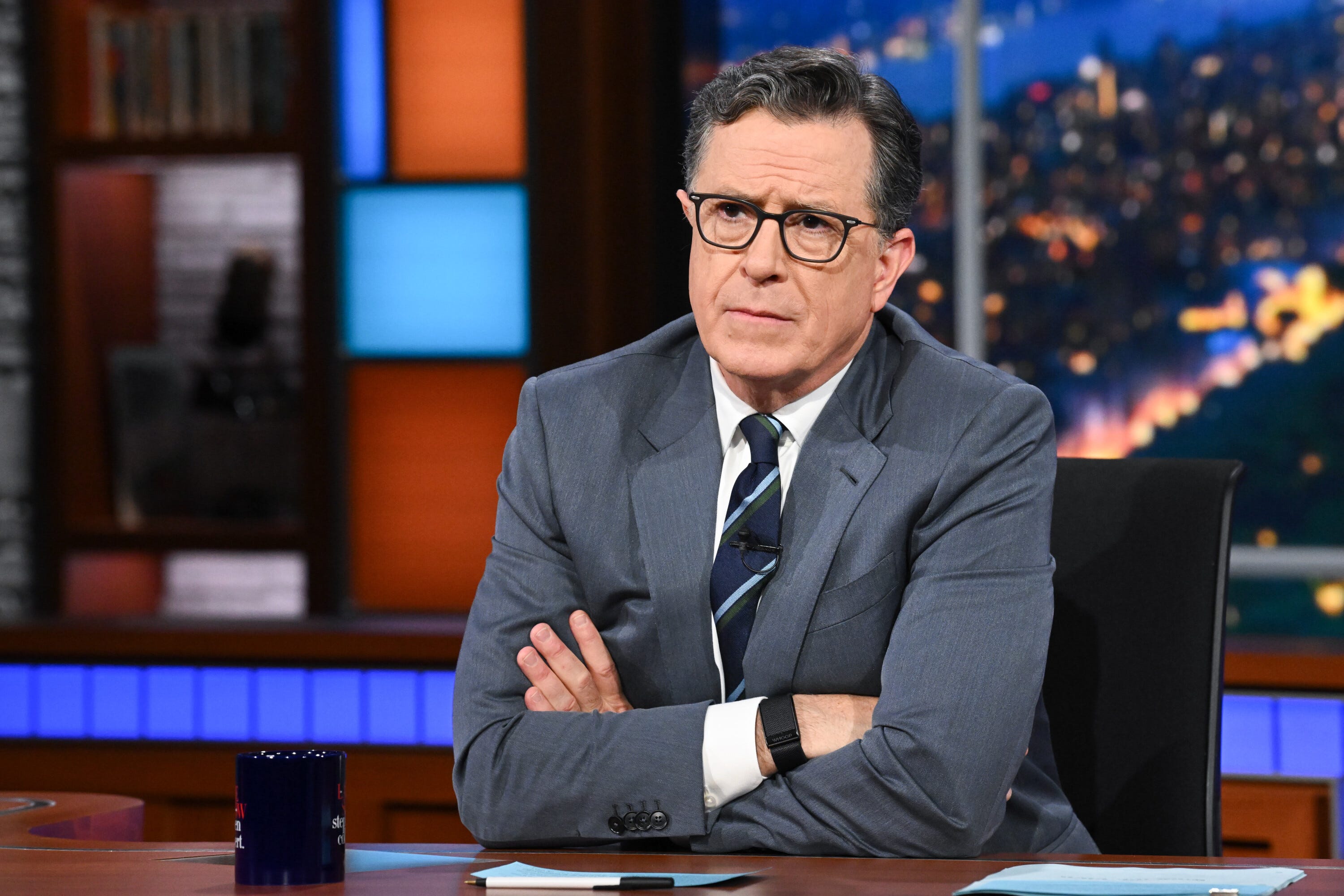
Late-night television has long been a space where humor and politics intersect. However, recent developments suggest that the genre is undergoing a significant transformation. One notable example is the decision by CBS to cancel Stephen Colbert’s “Late Show.” While this move came as a surprise to many, it also sparked a broader conversation about the direction of late-night programming and its relationship with political discourse.
Colbert, known for his sharp wit and satirical take on current events, has increasingly become a voice for progressive viewpoints. This shift has drawn both support and criticism. Some politicians, including Minnesota Gov. Tim Walz and U.S. Sen. Elizabeth Warren, have defended Colbert, suggesting that there may be more to the story than financial considerations. However, not everyone agrees with this perspective.
For many Americans, the decision to end the “Late Show” makes sense. Over time, late-night hosts have moved from simply entertaining their audiences to delivering political messages. This trend has led to concerns that these shows are becoming more partisan, potentially alienating viewers who prefer entertainment over ideological lectures.
Jay Leno’s Perspective on Partisan Pitfalls
Former “Tonight Show” host Jay Leno recently shared his thoughts on the challenges faced by today's late-night hosts. While he didn’t directly address Colbert, his comments resonate with the current debate. Leno emphasized that comedy shows should provide an escape from the pressures of daily life. He noted that while political humor can be valuable, there is a risk of aligning too closely with one side of the political spectrum.
“Why shoot for just half an audience? Why not try to get the whole audience?” Leno asked. His remarks highlight a growing concern that some late-night programs are failing to appeal to a broad range of viewers. Instead, they are focusing on specific ideologies, which may not be what the public wants.
The Ratings Battle in Late-Night TV
Despite the challenges facing traditional late-night programming, not all shows are struggling. Fox News’ “Gutfeld!” has seen continued success, with an average of 3.29 million viewers. In contrast, the “Late Show” averaged 2.42 million during the same period. This disparity suggests that the issue may not be with the genre itself, but rather with how individual shows are presenting their content.
British television host Piers Morgan has criticized the left-leaning focus of some late-night programs, noting that they often feature only liberal guests. According to media watchdog group NewsBusters, since 2022, Colbert hosted 176 left-leaning guests and just one Republican. This imbalance may explain why some viewers are tuning out.
The Political Climate and Public Perception
The current political climate also plays a role in shaping public opinion. A recent Wall Street Journal poll revealed that the Democratic Party is at a 35-year low, with 63% of voters holding an unfavorable view. Only 33% have a favorable view. Voters continue to trust Republicans more on key issues such as the economy, inflation, and foreign policy.
This shift in public sentiment may be surprising to some progressive figures, including Colbert, who often express strong opposition to Donald Trump. However, millions of Americans who supported Trump do not find this approach humorous or relatable.
The Future of Late-Night Programming
As late-night television continues to evolve, it faces the challenge of balancing entertainment with political commentary. The success of shows like “Gutfeld!” suggests that there is still a strong audience for content that appeals to a broader range of perspectives. Meanwhile, the cancellation of the “Late Show” raises questions about the future of programs that prioritize ideological messaging over humor.
Ultimately, the changing landscape of late-night TV reflects broader shifts in public opinion and the evolving expectations of viewers. As networks and hosts navigate these changes, they must consider what their audiences truly want: entertainment that is both engaging and inclusive.

Post a Comment for "Leno: Colbert Was Fired by a Tired America"
Post a Comment