Leadership Summit: Churches Called to Partner With Gen Z as Equals, Not Projects
Understanding and Empowering Gen Z in the Church
In a world where many churches are struggling to connect with younger generations, Christian leaders from around the globe gathered at the Arise Leadership Summit 2025 to explore new ways of engaging with Generation Z. This group, known for being digitally connected and spiritually curious, is seen as a vital part of the future of the church.
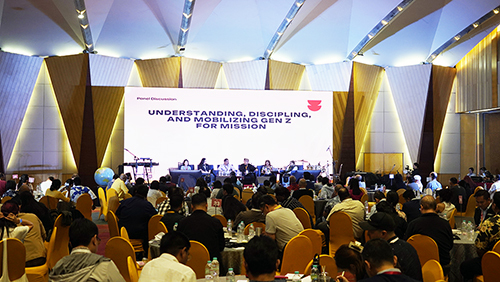
During a panel discussion held over four days in Indonesia, participants shared insights on how to understand, disciple, and mobilize Gen Z for mission work. They emphasized that effective discipleship today requires more than just changing language or strategy—it also involves a shift in posture. Rather than viewing young people as passive recipients of teaching, the focus should be on seeing them as capable co-laborers in the global church.
A New Approach to Discipleship
One youth leader described Gen Z as “capacity-proportionate, not age-proportionate.” This means that instead of waiting for young people to reach a certain age before entrusting them with responsibility, the church must recognize and empower their current capabilities. An example given was of a 15-year-old who independently organized online tutoring sessions for students preparing for national exams. He designed flyers, managed Zoom links, and scheduled sessions on his own. The message was clear: waiting for someone to turn 25 or 35 to give them responsibility is a mistake.
Panelists agreed that this generation lives in two simultaneous realities—the physical and the digital—and both must be acknowledged. Instead of dismissing social media and online culture as distractions, churches should see these spaces as valid domains for mission and mentorship.
Faith in the Face of Adversity
Leaders from regions with social or religious restrictions added another layer to the conversation. They discussed how Gen Z in minority or persecuted communities often carry complex identities marked by fear, resilience, and spiritual longing. One speaker shared a personal story about hiding part of his Christian name during college due to fear of being targeted. He stressed that while persecution can strengthen faith, it also requires deep intentionality in discipleship. Mentoring and discipling these young people must be done with care and thoughtfulness.
Challenging Stereotypes About Gen Z
Several leaders pushed back against common stereotypes of Gen Z, such as apathy or disloyalty. They noted that this generation values authenticity and is passionate about Jesus, though they may be wary of performance-based religion or church politics. Gen Z is often described as being “allergic to inauthentic leadership.”
They are also less impressed by titles and authority than by vulnerability and integrity. While they question authority, it’s not out of defiance but a desire for clarity and authenticity.
Mentorship Over Management
A major theme throughout the panel was the importance of walking with Gen Z in mutual discipleship. One panelist emphasized that mentoring and discipleship is not parenting—it’s a long-lasting effort that continues until one's last breath. This requires adults to be intentional about entering the world of young people, understanding their language, navigating their platforms, and being available to journey alongside them in both success and failure.
Some described their ministry’s approach as offering “multiple anchors”—a layered mentoring model that supports spiritual guidance, leadership development, and emotional health. It’s important to create safe spaces where young people can ask difficult questions without fear of judgment.
From Platform to Participation
Speakers repeatedly emphasized that Gen Z doesn’t just want to be inspired—they want to be involved. One leader urged churches to move from “training Gen Z for our ministries” to “creating space for Gen Z to lead theirs.” This includes trusting young people with responsibility early on and equipping them with tools to discern their calling.
Examples included teenagers leading devotions at national events and creating new forms of ministry, such as organizing evangelistic gatherings in public parks or launching digital media projects that communicate the gospel in culturally relevant ways. What they need is not more instruction, but support.
Bridging the Generational Divide
Fostering collaboration between generations isn’t always easy. Miscommunication, unspoken expectations, and cultural hierarchies can cause frustration. In some societies, younger leaders are expected to conform to traditional authority without question. When they don’t, they risk exclusion.
One speaker warned that Gen Z will quietly disengage rather than confront conflict. If they feel unheard, they will leave. Therefore, it is crucial to create a space where their voice is heard.
A Call for Shared Leadership
The panel concluded that true intergenerational collaboration involves more than symbolic gestures. It requires sharing leadership, co-creating ministry models, and building a culture of mutual respect and shared vision. One panelist said, “It’s not about handing off responsibility or holding onto control, but co-laboring in humility.”
Giving Gen Z a Seat at the Table
One final message from the panel was a call to give Gen Z a literal and metaphorical seat at the table—not after they’ve proven themselves, but now. “By the time we give them a voice, they are not young leaders anymore,” one leader said. “There is space for everyone—so create space now.”
The panel ended with a shared conviction: Gen Z is already serving, already leading, already asking hard questions about Jesus, justice, and mission. What they need is companionship.

Post a Comment for "Leadership Summit: Churches Called to Partner With Gen Z as Equals, Not Projects"
Post a Comment