Lawsuit Claims Ghost-Gun Seller Supplied Kit to Louisville Teen Who Died by Suicide
Understanding the Tragic Case of Henry Willis
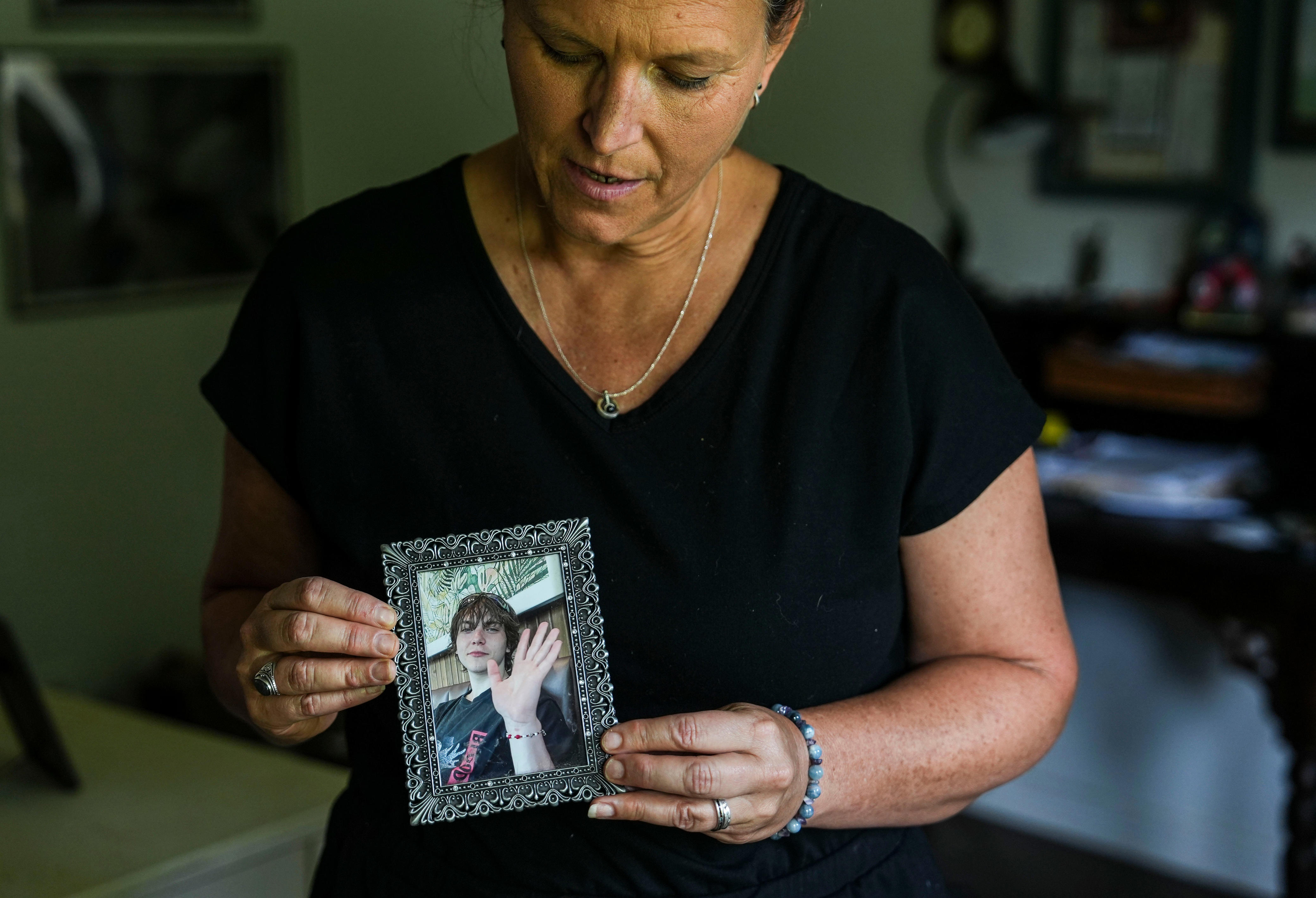
Henry Willis, an 18-year-old from Louisville, had just graduated from Seneca High School in the summer of 2023. He was known for being protective of his younger brothers and was learning to play the guitar. However, he was also recently diagnosed with schizophrenia and PTSD, and was receiving psychological treatment. Despite these challenges, he was working on building a better future.
On July 6, 2023, Willis purchased a gun-building kit online. Six days later, he used the assembled firearm to take his own life. This tragic event has sparked a wrongful death lawsuit against Husky Armory, an online gun store that sold the kit without verifying his age or conducting a background check. The lawsuit claims that this lack of oversight allowed Willis to access a "ghost gun," which is a firearm without a serial number and not subject to traditional federal regulations.
Under federal law, it would have been illegal for Willis to purchase a handgun from a federally licensed firearms dealer because he was under 21 years old. Additionally, the gun-building kit he ordered was classified as a firearm, making the sale even more concerning. The lawsuit alleges that Husky Armory and its parent company, Up North Media, are negligent in their business practices and failed to follow necessary legal requirements.
Ghost Guns and Legal Implications
Ghost guns, as they are commonly referred to, are unserialized and untraceable firearms that can be assembled from kits without a background check. These kits have historically operated outside of federal firearms laws because they are not considered complete firearms when sold. However, a U.S. Supreme Court ruling in March 2025 changed this by classifying such kits as firearms, requiring them to comply with all federal gun sale requirements, including sales through licensed dealers.
The specific gun kit at the center of the case was a nearly finished Polymer80 Glock-style frame, similar to the one Willis purchased. According to the lawsuit, this ruling went into effect 11 months before Willis allegedly bought the kit. The decision marked a significant shift in how ghost guns are regulated and highlighted the potential dangers associated with their availability.
Mental Health and Legal Failures
Willis was suffering from a mental health crisis at the time of his purchase. His mother, Laura Herp, reported that he had been diagnosed with schizophrenia and PTSD and had a history of emergency room visits and run-ins with law enforcement. She also mentioned that he had been arrested and pleaded guilty to a misdemeanor assault charge while under a protective order issued by Jefferson District Judge Lisa Langford. This order required him to surrender any firearms, but it appears that he managed to bypass these restrictions.
The lawsuit states that several factors would have prevented Willis from purchasing a firearm from a federally licensed dealer, including his age, a background check, and a mental health assessment. Licensed dealers are trained to identify red flags and act accordingly. However, in this case, those safeguards were not in place.
The Broader Impact
The lawsuit highlights the broader issue of gun violence and the need for stricter regulations, particularly regarding ghost guns. Everytown, a non-profit focused on gun violence prevention, emphasized that these unserialized firearms can be easily assembled from parts acquired without a background check. They argue that the current system allows individuals like Willis to access dangerous weapons without proper oversight.
In Kentucky, the teen firearm suicide rate is significantly higher than the national average, according to CDC statistics. The case of Henry Willis underscores the urgent need for comprehensive gun safety measures and improved mental health support for vulnerable individuals.
Corporate Accountability and Legal Actions
Husky Armory, which does not hold a federal firearms license, is accused of operating under a business model designed to circumvent gun-safety laws. The lawsuit claims that the company's actions led to the tragic loss of a young life and that they should be held accountable for their negligence. The suit also points out that both Husky Armory and Up North Media are listed as "delinquent" in state records, indicating they failed to meet certain legal requirements.
The company’s website promoted its products with slogans like "2A Freedom shipped to your door" and "no registration, no FFL," highlighting the lack of regulation surrounding these kits. This business model, as described by Eric Tirschwell of Everytown Law, mirrors the dangers of mail-order guns that were prevalent before the Gun Control Act of 1968.
A Call for Change
Laura Herp, who filed the lawsuit alongside Everytown and Thomas Law Offices, expressed her grief and frustration over the events leading to her son’s death. She emphasized the importance of time in preventing such tragedies and hopes that this case will lead to meaningful changes in gun safety laws.
Herp is seeking compensatory and punitive damages, aiming to bring accountability to the companies involved. While she acknowledges the difficulty of moving forward, she remains committed to advocating for suicide prevention and ensuring that no other family suffers the same loss.
This case serves as a reminder of the critical need for stronger gun regulations, better mental health support, and corporate responsibility in the face of tragic consequences.

Post a Comment for "Lawsuit Claims Ghost-Gun Seller Supplied Kit to Louisville Teen Who Died by Suicide"
Post a Comment