Lawrence Dority Trial: Accused Killer Claims Self-Defense in Magic Player's Death
Overview of the Case
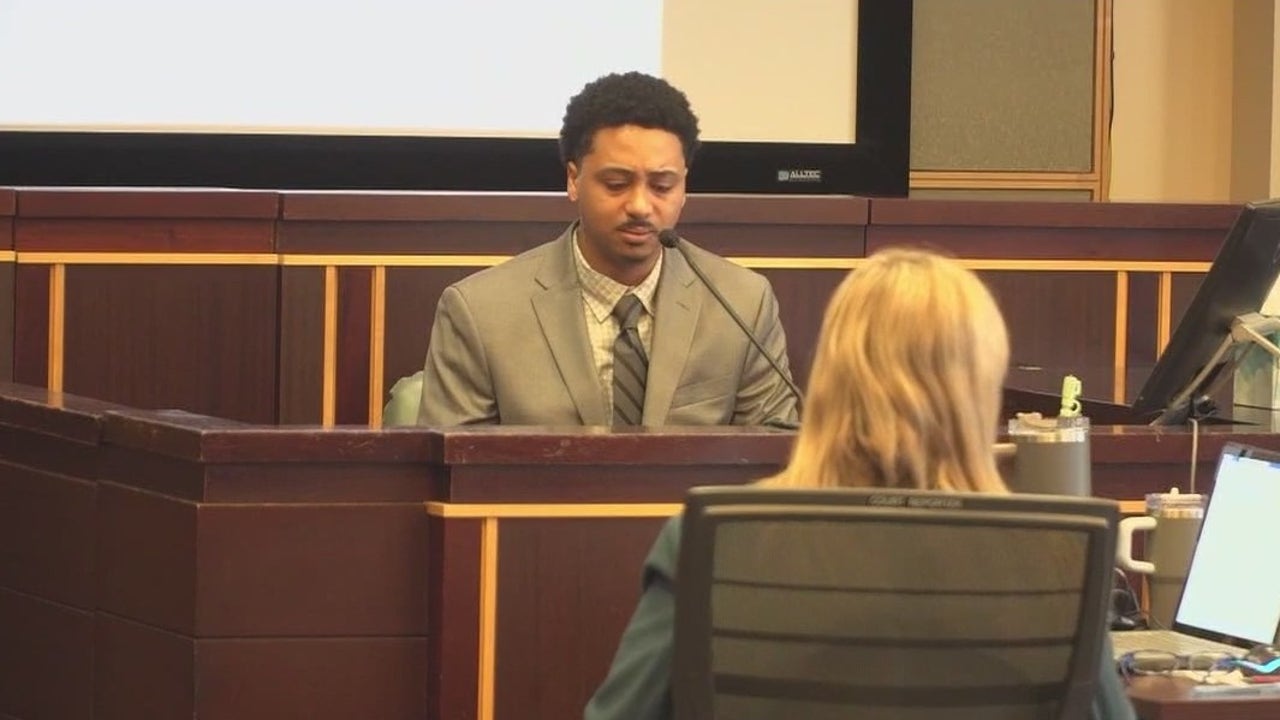
Lawrence Dority is currently facing charges for the second-degree murder of Adreian Payne, a former Orlando Magic player. The incident occurred in 2022 and has since become the focal point of a high-profile trial. Dority claims that he acted in self-defense during the shooting, while prosecutors argue that Payne was unarmed and seated in his car at the time of the incident.
The trial is set to conclude with closing arguments scheduled for Wednesday, after which the jury will begin its deliberations. This case has drawn significant attention due to the involvement of a former NBA player and the complex circumstances surrounding the shooting.
Key Details of the Incident
Dority, who is 32 years old, is accused of fatally shooting Payne, who was 31 at the time of the incident. The event took place on May 9 outside Dority’s home in the Orlando area. According to Dority, he believed Payne was threatening him and had a weapon, leading him to act in self-defense.
Surveillance footage and body camera recordings from the scene are playing a critical role in the trial. These videos are expected to provide crucial evidence regarding the events that transpired before the shooting.
Background of the Dispute
The incident occurred during a domestic dispute between Dority and his girlfriend, Tatiana Mesa. Payne and his girlfriend, Tara Walker, arrived at Dority’s home to mediate the situation. According to police reports, such disputes were not uncommon, and court records indicate that Dority had previously been arrested for domestic battery against Mesa, though he was never convicted.
Payne and Dority had known each other through their mutual connections with Walker and Mesa, who had been friends for over 15 years. On the night of the incident, Dority had just returned from a Mother’s Day celebration. His father dropped him and his 10-year-old son off at home around 1:30 a.m., when Dority spotted what he believed to be Walker’s car. Upon approaching the vehicle, he discovered it was actually Payne inside.
Claims and Counterclaims
Dority claims that he repeatedly asked Payne what he was doing there, and that Payne threatened him by saying, “I’ll smoke you.” He also testified that he saw a “silver object” in Payne’s waistband, which he believed to be a weapon. Dority then went upstairs to retrieve his gun and returned to confront Payne.
During the trial, the defense highlighted that Payne was significantly taller than Dority—about six feet, eight inches compared to Dority’s height. They argued that this physical disparity made Dority fear for his life, justifying his actions.
On the other hand, prosecutors maintain that Payne was unarmed and never entered Dority’s property. They assert that Payne was seated in his own car when he was shot and had no reason to be killed. The prosecution emphasizes that no firearm or weapon was found on Payne, and that the shooting was unjustified.
Uncertainties and Conflicting Accounts
One of the key points of contention is what Dority saw on Payne that led him to believe there was a weapon. Prosecutors argue that Payne was unarmed, and no weapon was recovered from him. The jury will need to consider conflicting witness accounts and determine whether Dority’s actions met the legal threshold for self-defense.
Tara Walker, Payne’s girlfriend, testified that Payne never entered Dority’s apartment or acted aggressively. She claimed that he was shot while sitting in his car and that she pleaded with Dority to put down his weapon.
What Comes Next
On Wednesday morning, the judge, prosecutor, and defense attorney will finalize the instructions given to the jury. These instructions will outline the factors the jury must consider when evaluating the second-degree murder charges.
Following this, both the prosecution and the defense will present their closing arguments, after which the jury will begin its deliberations. The outcome of the trial could have significant implications for Dority and the broader discussion around self-defense laws.
Final Thoughts
This case highlights the complexities involved in determining self-defense claims, particularly in situations where there are conflicting accounts and limited physical evidence. As the trial concludes, the jury's decision will be closely watched, not only for its legal implications but also for its impact on public perception of such cases.

Post a Comment for "Lawrence Dority Trial: Accused Killer Claims Self-Defense in Magic Player's Death"
Post a Comment