Lawmakers Diverge on Maxwell Pardon, Unite on Bill
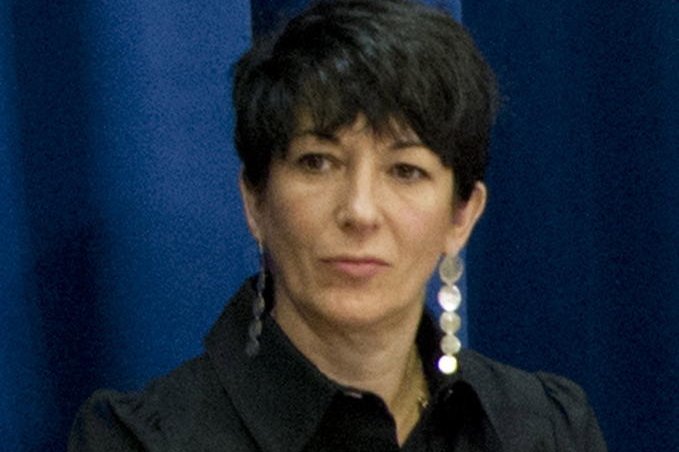
The Debate Over Ghislaine Maxwell’s Potential Pardon
The potential pardon of Ghislaine Maxwell has sparked a heated debate among U.S. lawmakers, with differing opinions on whether the former associate of Jeffrey Epstein should receive clemency. As the conversation unfolds, several key figures have weighed in, highlighting the complexity of the issue and the broader implications for justice and transparency.
Mike Johnson's Concerns
Mike Johnson, the Speaker of the House of Representatives, expressed significant reservations about the possibility of a presidential pardon for Maxwell. He emphasized that while it would be Trump’s decision, he personally would have "great pause" if such an action were taken. Johnson described the crimes committed by Maxwell as unforgivable, noting that her role in the trafficking of minors was particularly egregious. He stated that a 20-year sentence was insufficient given the severity of the crimes she was convicted of.
Johnson acknowledged that his views are not the final word on the matter. When pressed directly on whether he supported a pardon, he deferred to the president, stating that it was not his place to intervene. His comments reflect the delicate balance between personal conviction and political responsibility in such high-profile cases.
Diverging Opinions Among Legislators
While Johnson voiced strong opposition to a pardon, other lawmakers have taken different stances. Rep. Thomas Massie, a Republican from Kentucky, expressed support for compelling Maxwell to testify, provided that the information is truthful. He believes that the public has a right to know the full story behind the Epstein case, which involved serious allegations of sexual abuse and exploitation.
Massie also criticized the lack of transparency surrounding the case, suggesting that more needs to be done to uncover the truth. He argued that following the money trail could reveal critical details about the financial dealings associated with Epstein’s estate. This perspective aligns with broader calls for accountability and openness, especially given the ongoing interest from both Democrats and Republicans.
The Push for Transparency
Representative Ro Khanna, a Democrat from California, echoed similar concerns. He expressed disagreement with any notion of pardoning Maxwell, emphasizing the need for her to testify. Khanna pointed out that Maxwell had been indicted twice on perjury charges, underscoring the importance of accessing the files related to the Epstein case.
Khanna and Massie are working together to introduce a bill that would compel the Trump administration to release all unclassified records related to Epstein. The legislation aims to ensure that the public can access the information they believe is crucial for understanding the full scope of the case. Massie noted that there is growing public pressure to pass the bill, with enough support to potentially secure a vote on the floor.
Bipartisan Support and Public Pressure
The bill has garnered bipartisan support, with nearly a dozen House Republicans signing on to back the measure alongside Khanna. Additionally, some Democrats, including prominent figures like Nancy Pelosi and Alexandria Ocasio-Cortez, have also shown their support. This cross-party collaboration highlights the shared concern over the lack of transparency and the need for accountability in high-profile legal cases.
Massie further emphasized the importance of following the money, suggesting that financial records and plea bargains should be made public. He stressed that the bill would have the force of law, ensuring that the information is released without the need for a subpoena or a polite request.
A Longstanding Issue
Khanna pointed out that the push for transparency is not new, as Democrats have been advocating for it during the Biden administration. However, the situation escalated when Donald Trump raised the stakes during his campaign, promising to release the files if elected. This development has intensified the urgency surrounding the issue, with many believing that the public deserves to know the full story.
As the debate continues, the focus remains on ensuring that justice is served and that the truth is brought to light. The discussions around Maxwell’s potential pardon and the call for transparency underscore the complex interplay between politics, justice, and public accountability.

Post a Comment for "Lawmakers Diverge on Maxwell Pardon, Unite on Bill"
Post a Comment