Lawmaker Proposes Flood Zone Camp Ban, Industry Responds
Youth Camp Safety and Flood Preparedness in Texas
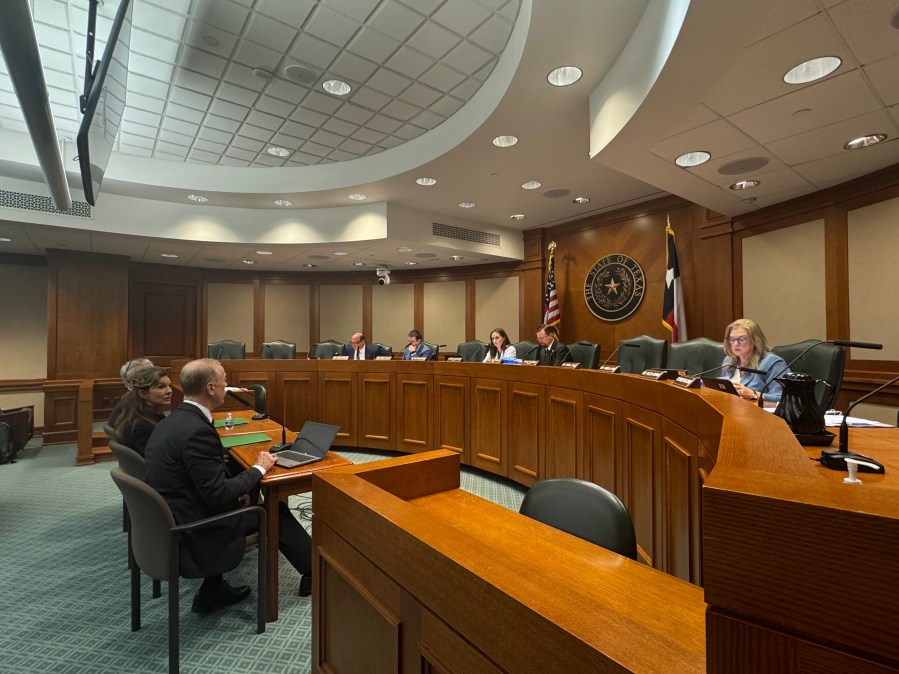
Youth camp representatives met with state lawmakers in Austin to discuss safety measures and push back against certain proposals aimed at preventing future tragedies following the deadly July 4 Hill County flooding. The conversation centered around how to make camps safer, particularly in flood-prone areas.
During a meeting of the House Culture, Recreation and Tourism Committee, Rep. Cody Vasut, R-Angleton, raised the question of whether overnight accommodations should be banned in flood plains. Dr. Timothy Stevenson, from the Texas Department of State Health Services, which oversees camps, responded that removing bunk houses from flood plains would significantly reduce risk. However, Steve Baskin, owner of a camp in Marble Falls and board chair of the American Camp Association, disagreed.
Baskin argued that cabins can be built safely in flood zones if done correctly. He emphasized that the approach must be site-specific, especially in areas prone to flash floods. He also highlighted the cooling benefits of being near lakes, rivers, and creeks during Texas summers. “A flash flood is different than a flood,” he said. “I’ve been there for 30 years and our worst flood ever was fixed with a Shop-Vac.”
There may be more resistance from the industry. According to an Associated Press report, Camp Mystic was able to get the Federal Emergency Management Agency to remove dozens of its buildings from the 100-year flood map, potentially lowering insurance costs and making expansion easier.
Personal Tragedy and the Call for Safety
For Baskin, the issue is deeply personal. His 68-year-old cousin, Jane Ragsdale, was the director at Camp Heart O’ the Hills in Hunt, located two miles from Camp Mystic. She had been involved with the camp for four decades and died at her home during the flooding. Baskin described her as the kindest camp director in America, someone who wanted to “positively impact children” on a “firm foundation of safety and health.”
He recommended that camps have National Oceanic and Atmospheric Administration weather radios, which work even when the power is out. While weather radios are not required under the Texas Administrative Code, emergency phones are. A KXAN investigation previously found this discrepancy.
Meg Clark, owner of Camp Waldemar, an all-girls camp about 11 miles from Camp Mystic in Kerr County, shared her approach to safety. She emphasized regularly updating emergency and evacuation plans and reviewing them with first responders in person. “Safety is not just a box we check,” she told lawmakers. “It’s a culture we cultivate in everything we do.”
Clark and Baskin both expressed concerns about warning sirens as a potential solution. Clark said the sound could be alarming to children and might cause trauma. Baskin agreed, noting that sirens should only be used when water reaches a certain level, but testing them weekly could be counterproductive.
Accreditation and Regulatory Challenges
At a previous hearing of the House Committee on Disaster Preparedness and Flooding, Rep. Drew Darby, R-San Angelo, criticized camps for being “wholly unprepared” for the catastrophic event. He called it “malpractice” for camps to be responsible for children’s lives without proper preparation.
Five bills were discussed, including one requiring camps to submit annual disaster flood plans to the Texas Division of Emergency Management. Under the proposal, TDEM would need to approve the plans, and any corrections made within 90 days to avoid fines.
In Kerr County, at least 117 people were killed during the flooding, including 27 campers and counselors at Camp Mystic. Local officials told lawmakers the storm came too quickly, without warning, and the destruction was largely unavoidable.
Camp Mystic passed a state inspection on July 2, two days before the deadly flood, according to a KXAN investigation. Dr. Stevenson testified that around 95 percent of camps are inspected each year, on average, while they are in operation. The agency does not maintain copies of emergency plans, but camps are required to post them clearly in every building.
In addition to inspecting camps, Stevenson noted that his staff now inspect 12,000 food trucks and mobile vendors under a new law. “It’s a little bit of a juggling act looking at the resources for our inspectors,” he said.
The Role of ACA Standards
Unlike eight other camps in Kerr County, Camp Mystic was not nationally accredited by the American Camp Association (ACA), which recommends voluntary compliance with up to 266 health and safety standards. During a hearing, Rep. Terry Wilson, R-Georgetown, asked if the state should examine ACA standards to see if anything should be added to the licensure process.
Baskin suggested lawmakers consider any measures that could improve safety. However, he doubted that ACA standards would have made a difference in Camp Mystic’s case given the flood’s intensity. When asked if the standards could have affected the response, Baskin replied, “No, I don’t think that would have made a difference.”

Post a Comment for "Lawmaker Proposes Flood Zone Camp Ban, Industry Responds"
Post a Comment