Laser Therapy Enhances Memory Recall by 25%
Understanding Working Memory and Its Importance
Working memory is the brain's ability to temporarily store and manipulate information over a short period. It plays a crucial role in daily activities, such as remembering a phone number long enough to dial it or keeping track of directions while navigating through a crowded street. Psychologists often describe working memory as a mental scratchpad that supports various cognitive functions, including problem-solving, decision-making, and learning.
Strong working memory is closely linked to higher fluid intelligence and overall cognitive performance. However, this cognitive function is fragile and can be easily disrupted by factors like age, stress, or medical conditions such as ADHD. These challenges have led scientists to explore non-invasive methods for enhancing working memory without the risks associated with traditional interventions.
The Rise of Transcranial Photobiomodulation (tPBM)
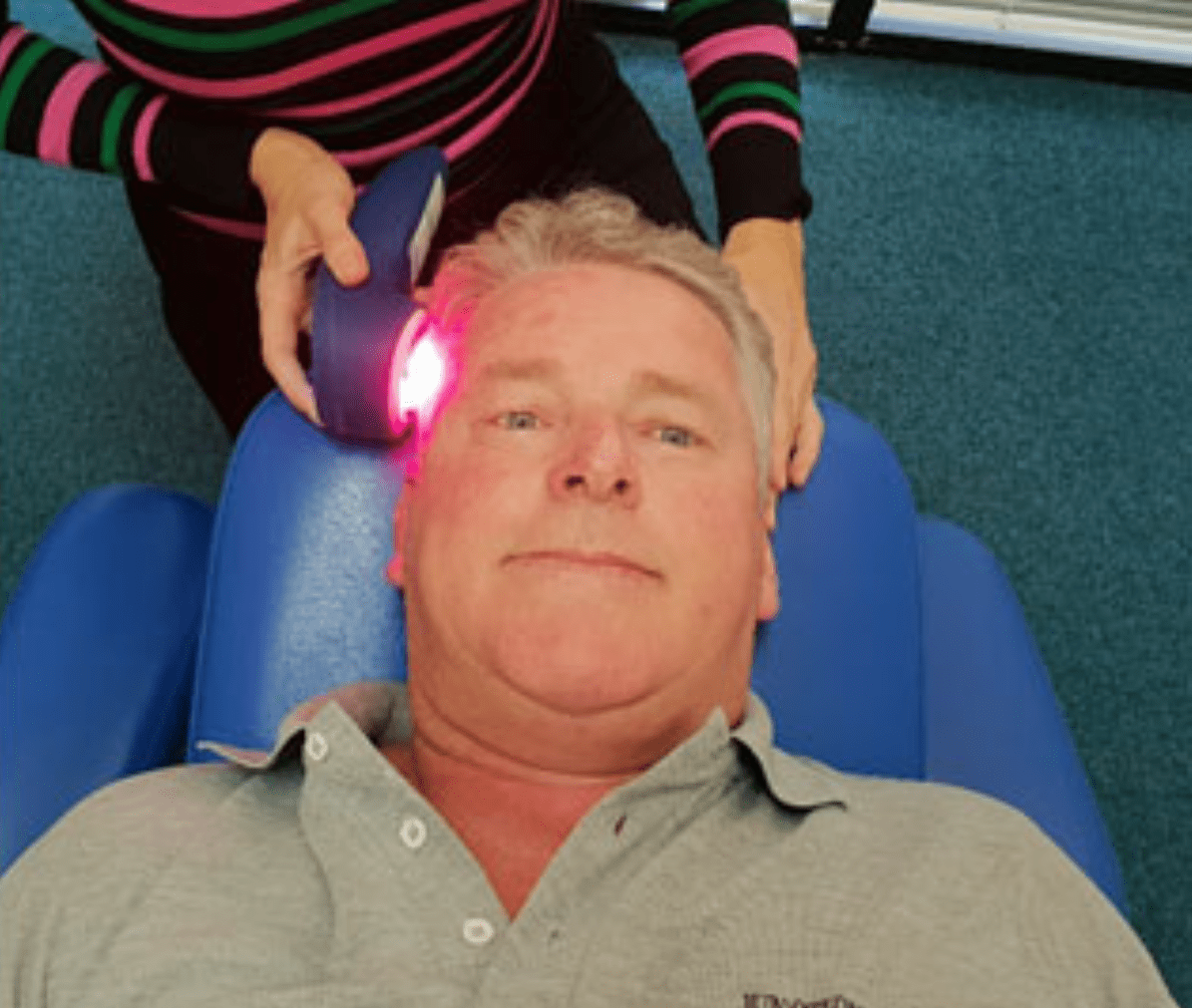
Over the past two decades, noninvasive brain stimulation technologies using electrical or magnetic fields have been tested as potential memory enhancers. While these techniques have shown some promise, they often come with complex hardware, mixed results, and sometimes uncomfortable sensations. In contrast, transcranial photobiomodulation (tPBM) offers a gentler alternative by using near-infrared light to stimulate the brain.
This therapy involves directing light between 600 and 1100 nanometers at targeted brain regions. The recent study focused on a wavelength of 1064 nanometers, which proved most effective. Scientists believe that the light stimulates mitochondria—the energy centers of nerve cells—boosting their efficiency. When mitochondria absorb this light, they activate an enzyme called cytochrome c oxidase, increasing adenosine triphosphate (ATP), the molecule that fuels cellular work. This process improves blood flow, oxygen use, and metabolic activity.
The Breakthrough Experiment
The study was conducted by researchers at the University of Birmingham in the UK and Beijing Normal University in China. Ninety healthy young adults participated, ranging in age from 18 to 25. They were divided into groups and received different versions of the treatment:
- 1064-nm light to the right prefrontal cortex
- 852-nm light to the same area
- 1064-nm light to the left prefrontal cortex
- Sham treatment with no active light
The right prefrontal cortex was chosen because it plays a central role in storing visual information during working memory tasks. Each treatment lasted about 12 minutes, followed by a test requiring participants to remember the orientation or color of objects briefly shown on a screen. Electroencephalogram (EEG) recordings tracked their brain activity during both treatment and testing.
The results were striking. Those who received the 1064-nm light to the right prefrontal cortex could remember four to five objects compared to three to four in the other groups. That difference translates to an improvement of up to 25 percent in working memory.
Brain Waves Reveal the Mechanism
The EEG recordings revealed more than just improved performance. They showed measurable shifts in a brain signal known as contralateral delay activity (CDA). This signal is closely tied to how many items a person can actively hold in visual memory. The study found that the stronger the CDA signal, the better the memory performance. In other words, the brain’s electrical activity reflected the enhanced capacity created by the light treatment.
Dongwei Li, a visiting PhD student at Birmingham’s Centre for Human Brain Health, co-authored the paper. He noted that the treatment could have broad applications: “People with conditions like ADHD or other attention-related conditions could benefit from this type of treatment, which is safe, simple and non-invasive, with no side-effects.”
Why Only One Wavelength Worked
Interestingly, the benefits appeared only with the 1064-nm wavelength applied to the right prefrontal cortex. The shorter 852-nm wavelength had no measurable effect, and neither did stimulation of the left side. This suggests that both the specific wavelength and the precise brain region matter greatly. Other animal studies support this finding, showing that light near 1064 nm can penetrate deeply enough into brain tissue to reach energy-hungry regions without losing strength.
Potential Clinical Applications
While the study focused on young, healthy adults, the findings hint at medical uses. If tPBM can strengthen memory in a normal brain, it might also help those with cognitive decline. Early clinical studies have already shown improvements in patients with Alzheimer’s disease and dementia after repeated sessions.
Professor Ole Jensen, also at Birmingham, cautions that many questions remain. “We need further research to understand exactly why the tPBM is having this positive effect, but it’s possible that the light is stimulating the astrocytes—the powerplants—in the nerve cells within the prefrontal cortex, and this has a positive effect on the cells’ efficiency. We will also be investigating how long the effects might last. Clearly if these experiments are to lead to a clinical intervention, we will need to see long-lasting benefits.”
How tPBM Fits Into Brain Science
Transcranial photobiomodulation is part of a growing field exploring how noninvasive stimulation can enhance brain function. Unlike electrical or magnetic stimulation, tPBM does not require bulky machines or uncomfortable electrodes. It may also trigger a wider set of cellular changes, including neuroprotection, angiogenesis, and gene activation.
Studies suggest it can stimulate transcription factors that regulate gene expression, encourage the release of neurotrophic factors, and modulate inflammatory molecules. This makes it unique among brain stimulation methods, potentially combining both immediate energy boosts and long-term structural benefits.
The Road Ahead
The next step is to study how long the memory boost lasts. If the effect fades after minutes or hours, its clinical use may be limited. But if repeated treatments build longer-term changes, the therapy could become a powerful tool for education, mental health, and aging.
Researchers also want to know if the benefits extend beyond memory into broader cognitive skills like reasoning and problem-solving. Previous work has suggested that attention and emotional regulation also improve with tPBM. If so, the therapy could reshape how we approach conditions ranging from ADHD to Alzheimer’s.
As light-based therapies continue to gain interest, transcranial photobiomodulation stands out for its safety, accessibility, and growing evidence base. It may one day join exercise, sleep, and good nutrition as a key pillar of brain health.

Post a Comment for "Laser Therapy Enhances Memory Recall by 25%"
Post a Comment