Largest UK Emergency Alert Test in History Unveiled
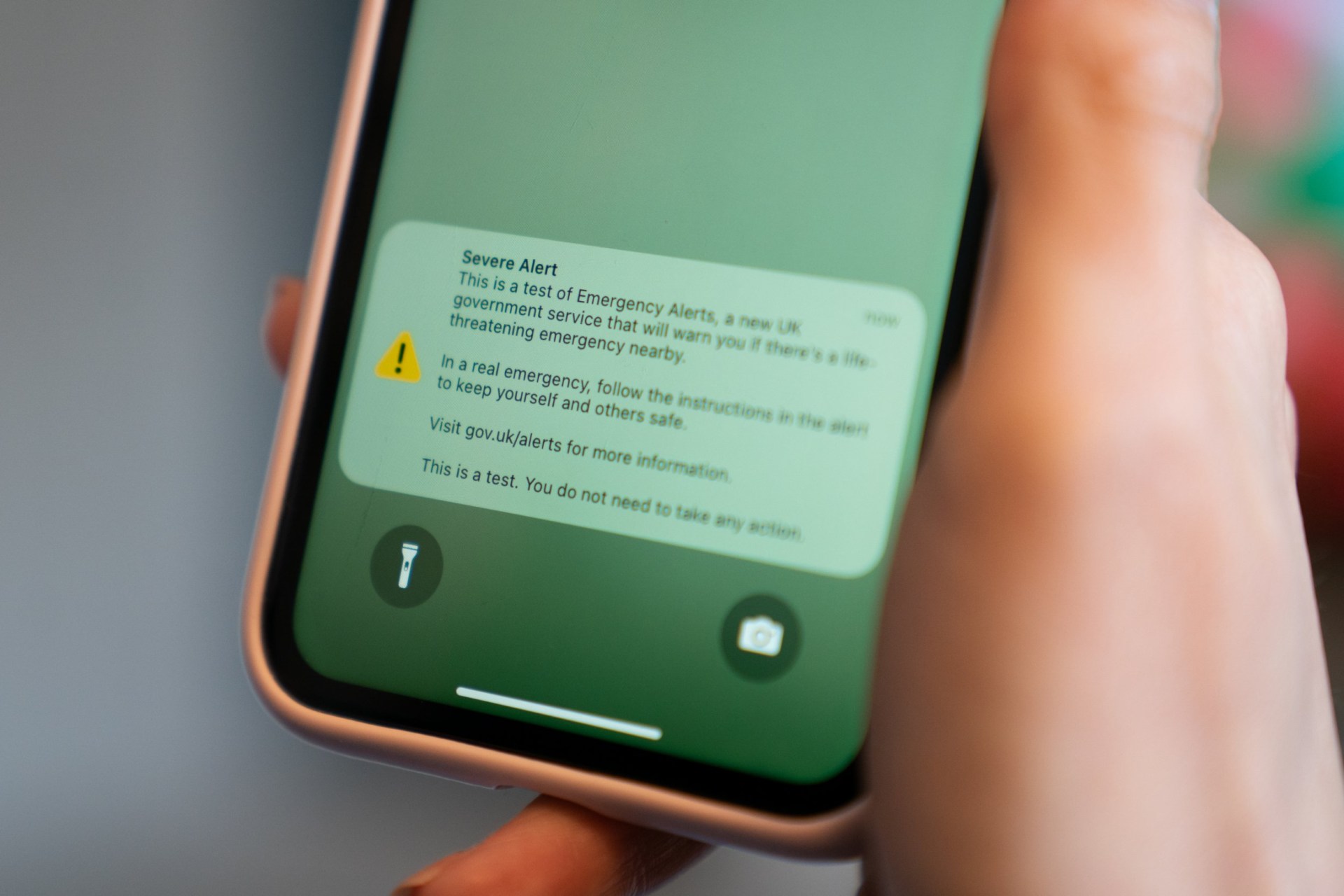
Emergency Alert Test: A Major Exercise for Public Safety in the UK
On Sunday, September 7, at approximately 3 p.m., millions of mobile phone users across the United Kingdom will experience a unique and significant event. This test is part of an emergency alert system designed to warn people about life-threatening situations. It is being described as one of the largest public safety exercises in the country’s history.
During this test, mobile phones connected to 4G and 5G networks will vibrate and emit a loud siren sound for up to 10 seconds. The purpose of this exercise is to ensure that the system functions correctly in case of real emergencies, such as severe storms, wildfires, or other critical incidents. With heatwaves reaching temperatures near 35°C becoming more common, the need for effective communication during crises has never been more important.
Minister Pat McFadden emphasized the importance of the test, stating that it could potentially save lives in emergencies. He compared the system to a fire alarm in a home, highlighting the necessity of testing to ensure reliability when needed most. He encouraged the public to mark the date, spread the word, and think about how they would respond in a real emergency.
What Happens During the EAS Test?
The test involves sending emergency alerts to mobile devices across the UK. These alerts will include a loud alarm, vibration, and a message on 4G and 5G devices. Importantly, the alarm will sound even if the device is set to silent mode. Users will be prompted to acknowledge the alert by swiping or clicking the message before resuming normal use of their devices.
This system is modeled after similar schemes used in countries like the United States, Canada, the Netherlands, and Japan. It is intended for use in life-threatening situations such as flooding, wildfires, and severe weather events. Only authorized emergency services or government agencies can send these alerts, ensuring that the messages are reliable and trustworthy.
Key Details About the System
Users do not need to turn on location services to receive alerts, as the system uses current location data automatically. However, the government advises against reading or responding to alerts while driving. Motorists are encouraged to find a safe place to stop before checking the message. If no safe spot is available, they should listen to live radio for updates.
It is possible to opt out of receiving future alerts through device settings. Officials encourage users to keep the alerts enabled due to their potential to save lives. The system has been tested previously and was used during Storm Eowyn in January to warn people in Scotland and Northern Ireland about severe weather.
Additional Information and Recent Alerts
In addition to the test, there have been several real-life instances where emergency alerts were sent. For example, around 3.5 million people in Wales and south-west England received an alert during Storm Darragh last December. A 500kg unexploded Second World War bomb found in a Plymouth back garden also triggered a warning in February of the previous year.
During the test, users will receive a message that reads: “This is a test of Emergency Alerts, a UK Government service that will warn you if there’s a life-threatening emergency nearby. You do not need to take any action. In a real emergency, follow the instructions in the alert to keep yourself and others safe.”
The government encourages people who do not wish to receive future alerts to adjust their device settings. However, officials hope that the life-saving potential of the messages will lead users to keep them enabled.
For more information on the government and its policies, readers can explore insights from behind the scenes in the Houses of Parliament. Additionally, updates on various topics, including discussions on Labour's stance on trans women and other political issues, are available through regular newsletters. Readers can sign up for these updates and stay informed about the latest news and developments.

Post a Comment for "Largest UK Emergency Alert Test in History Unveiled"
Post a Comment