Land Reform in South Africa: A Community's Game Reserve Success
Land Restitution and Community-Based Tourism in South Africa
In South Africa, the majority of arable land was historically taken from African communities by colonial settlers. Since the end of apartheid in 1994, those who were dispossessed have sought to reclaim their land. However, returning land to a community is not always straightforward. Conflicts can arise over how the land should be used—some may prefer individual plots, while others advocate for communal use. Additionally, individuals with power may attempt to exploit the situation for personal gain.
This highlights the importance of inclusive dialogue and collaboration to ensure that all members of the community benefit equally from land restitution. One promising approach is community-based tourism, where local communities and nature reserves work together to manage natural areas. This model allows entire communities to derive economic benefits from land that has been returned to them.
As a tourism and community development geographer, I have explored this concept through research conducted at the Somkhanda Game Reserve in KwaZulu-Natal province. The reserve was established on land that had been given back to the Gumbi community nearly 45 years after they were forcibly removed by the apartheid government to make way for a large dam and white commercial farms. The exact number of people displaced is unclear, but the community’s livelihoods, including communal farming, were severely disrupted.
By the time the land was returned, it had already been transformed into game and cattle ranches and sugar cane farms. Managing such a reserve involves a range of tasks, including running guided tours, selling handmade crafts, and providing accommodation for visitors. My research identified several challenges that can hinder progress in these ventures, such as conflicts between traditional leaders and community trusts, lack of transparency in decision-making, and high setup costs. Without experience in conservation and tourism management, it can be difficult for communities to turn a profit or even cover their expenses.
However, communities with strong social connections and collaborative networks often have an advantage. For the Gumbi community, building relationships with conservation organizations, government agencies, and non-profit groups helped secure initial funding and training.
Building a Nature Reserve
After the end of apartheid in 1994, the Gumbi community formed the Emvokweni Community Trust to reclaim their land. This trust worked with the government's tourism department and three prominent conservation trusts to explore the possibility of establishing a tourism project. They discovered that the land was a biodiversity corridor, linking various private and national game farms and protected areas. The Black Rhino Range Expansion Programme had already recognized the area as critical for rhino movement, and hunters and eco-tourists were familiar with the region due to nearby game reserves.
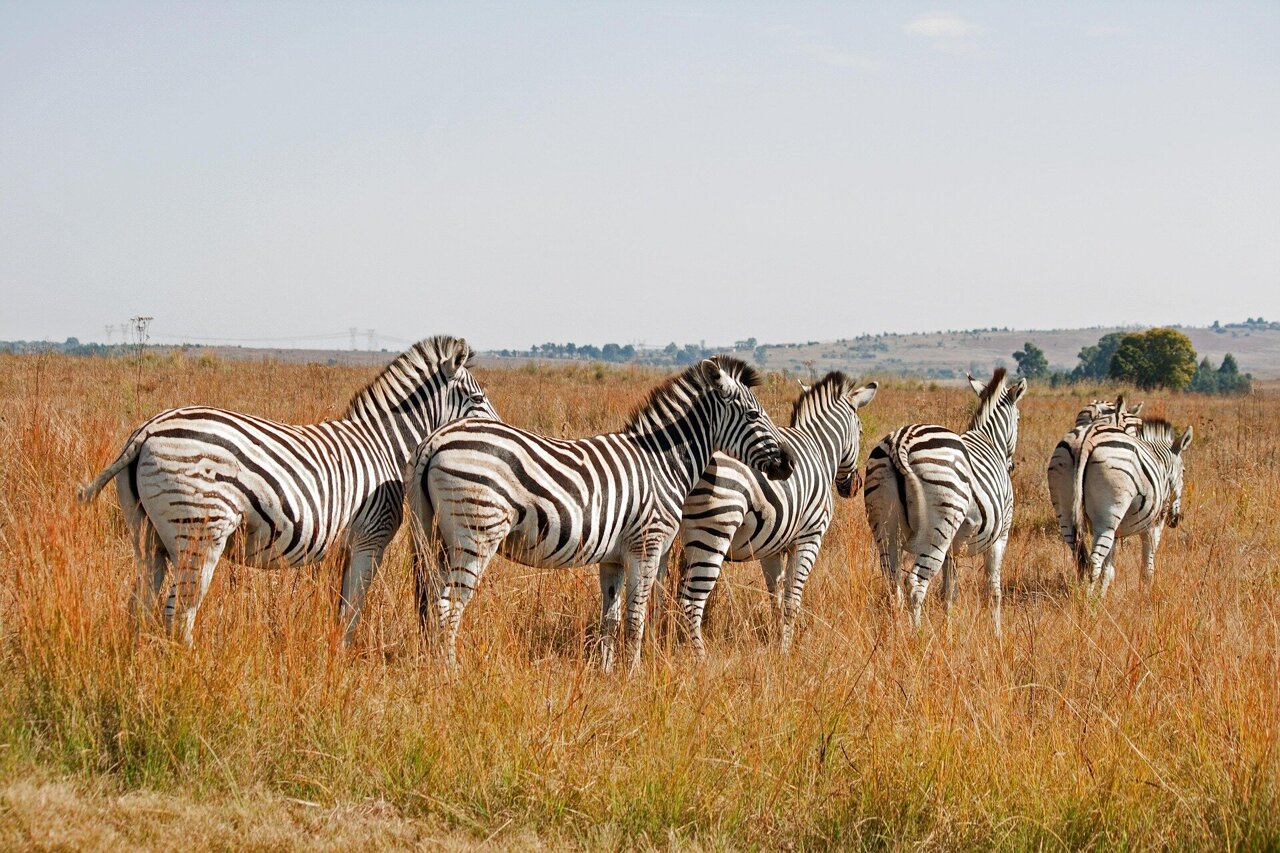
When the Gumbi people reclaimed their land in 2005 under the 1994 Restitution of Land Rights Act, they set aside about 74% for conservation and used 26% to build a new village. By 2011, the area was officially proclaimed a nature reserve. The community then secured development finance to upgrade roads and entrance gates and acquire animals for the reserve. Today, Somkhanda is a "big five" game reserve, home to lions, elephants, buffalo, rhinos, and leopards.
The reserve is now owned by the Emvokweni Community Trust, which is managed by democratically elected trustees. Conservation and tourism within the reserve are jointly managed by the trust and Wildlands, an environmental non-profit organization. The reserve competes with elite private game reserves like Timbavati and Phinda.
Initially, the reserve attracted mainly international and local student groups. While these visitors did not bring in large amounts of money, their presence created jobs for local community members. Students also paid a community levy that contributed to local development projects. Over time, more affluent tourists began visiting, significantly boosting the reserve’s income.
Skills and Jobs Needed to Run the Reserve
Members of the Gumbi community have undergone training in natural resource management, becoming game rangers and hospitality professionals. One employee at the reserve shared, “I didn’t know what a restaurant is, and I had never worked at a hotel or lodge before. This is my first employment since the completion of school.”
The Somkhanda Game Reserve aims to create jobs in an area with limited employment opportunities. It employs more people than similar-sized reserves. At the time of our research, there were 83 full-time workers and over 200 temporary employees. However, the trust has not been able to provide jobs for every member of the community. One young community member expressed frustration: “I failed to obtain employment at the game reserve, and I cannot just enter into the reserve as I may be suspected to be a poacher … It is our project, but at times I feel like I am an enemy to them.”
To address these challenges, the community is taking steps to create more value for the Gumbi people. Recently, they received a grant to build luxury game lodges, with profits used to support the reserve and improve roads, schools, and healthcare services.
What Needs to Happen Next
In South Africa, there is often concern that land returned to its rightful owners will be misused. However, in the case of Somkhanda, the Gumbi community has proven to be capable managers and developers of land. They contribute to the restoration and protection of local ecosystems.
To advance community-based tourism on restituted land, our research recommends the following:
- Communities should build strong partnerships with non-profit organizations and government agencies.
- Local leaders must be involved in decision-making to mobilize community support, ensure everyone’s voice is heard, and improve communication.
- Projects should focus on what benefits the community.
- Regular report-backs and evaluations should be held.
- Resources should be shared.
- Knowledge exchanges should be formalized to share best practices and spark new ideas.
These strategies can help ensure that land restitution leads to sustainable and equitable outcomes for all.

Post a Comment for "Land Reform in South Africa: A Community's Game Reserve Success"
Post a Comment