Lake hits 100% capacity for first time in 15 years, officials warn
Impact of Severe Rainfall on Central Texas Lakes
In the wake of devastating rainstorms that caused deadly flash floods across Central Texas, several lakes in the region have seen water levels rise to unprecedented heights. This has led to significant concerns among local authorities and residents alike.
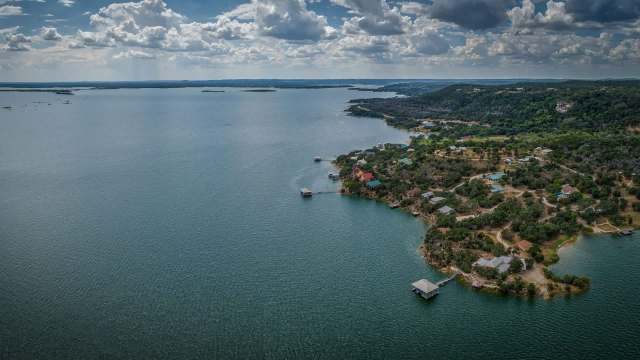
One of the most critical lakes in the area, Lake Buchanan, has reached a level not seen since March 2005. According to reports, the lake's water level surpassed 1,020 feet above mean sea level in mid-July, prompting officials to open flood gates for the first time since 2019. This action was necessary as the lake neared its maximum capacity, with the Lower Colorado River Authority (LCRA) describing it as a coordinated response to manage the massive inflows of water across the Highland Lakes system.
The water released from Lake Buchanan flows through a network of downstream lakes into Lake Travis. Although Lake Travis also experienced high water levels, it still had the capacity to hold an additional 15 feet of water. The rapid increase in water levels has left many observers stunned, especially given that just weeks earlier, Lake Buchanan was at only 60% of its capacity.
The intense rainfall over the July Fourth weekend brought up to 22 inches of rain to the Highland Lakes region, according to the LCRA. This deluge caused rivers to overflow their banks, resulting in catastrophic flash floods that claimed the lives of more than 100 people. Such extreme weather events are becoming increasingly common, as scientists have long warned that rising global temperatures will lead to more severe weather patterns.
Warmer air can hold significantly more moisture, with each degree Fahrenheit increase allowing the air to absorb 4% more moisture. This phenomenon contributes to more intense rainfall events. A study by Climate Central found that hourly rainfall intensity has increased by 15% across 126 U.S. cities since 1970.
Urban areas are particularly vulnerable to these extreme weather events. Paved surfaces prevent water from being absorbed, forcing it into storm drains that often have limited capacity and may be outdated. This leads to flash floods, which not only endanger lives but also cause extensive damage to homes, communities, and infrastructure, increasing insurance costs for everyone.
To mitigate the worst impacts of climate change, it is essential to reduce heat-trapping pollution, primarily from burning fossil fuels. While the task may seem daunting, individual actions can make a meaningful difference when multiplied across millions of people.
Simple steps such as riding a bike instead of driving, taking public transit, growing your own food, driving an electric vehicle, or installing solar panels can all contribute to reducing pollution. These choices not only help the environment but also offer personal benefits like saving money on gas and staying active.
By making small changes in daily routines, individuals can play a role in creating a more sustainable future. Joining initiatives that promote environmental awareness and practical tips can further amplify these efforts. Every action counts, and together, we can work towards a healthier planet.

Post a Comment for "Lake hits 100% capacity for first time in 15 years, officials warn"
Post a Comment