L.A. County Sheriff Faces Transparency Criticism from Inspector General
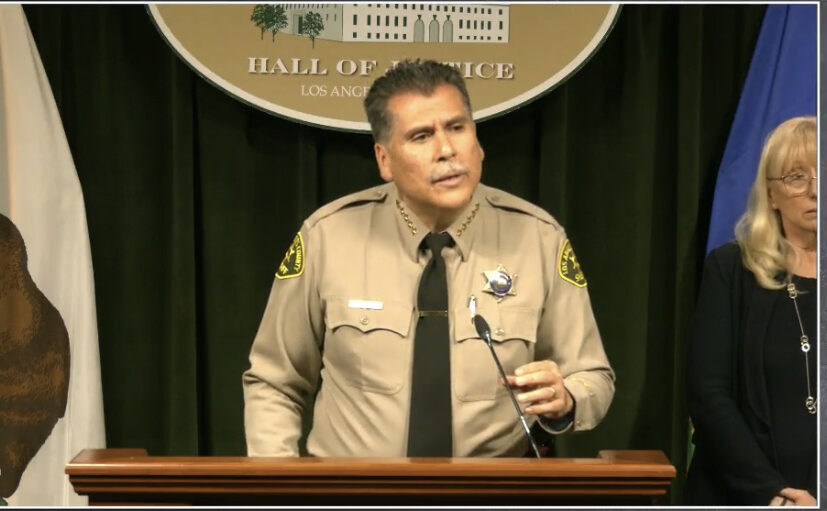
Sheriff Robert Luna Faces Criticism for Lack of Transparency
Sheriff Robert Luna, the current head of the Los Angeles County Sheriff’s Department, has come under scrutiny for his reluctance to share information with the Civilian Oversight Commission. This issue has sparked concerns about transparency and accountability within the department, especially as former Sheriff Alex Villanueva prepares to run for his old position. Unlike Villanueva, who faced significant backlash during his tenure for similar issues, Luna has not encountered the same level of public or media attention.
Luna campaigned on a promise to restore public trust and increase transparency. In his first press conference after being elected, he expressed a desire to build a strong relationship with the oversight commission. “I’m going in with open arms, ears open, willing to learn, but it’s going to be a two-way street,” he said. “I expect there to be a good working relationship, but like any other relationship, there’s a give-and-take on both sides.”
However, since taking office, two of the initial members of the oversight commission have left. Sean Kennedy resigned, and Robert Bonner was “forced out” after Luna defied subpoenas requesting information related to their work. The Los Angeles Times has reported that Luna continues to use the county counsel as a shield to avoid disclosing records related to police shootings.
A recent article highlighted the growing tension between Luna and the inspector general, Max Huntsman. The article, titled Access denied: L.A. County sheriff, watchdog clash over deputy killing investigations, details how the sheriff’s department is not fully cooperating with the Office of Inspector General. According to Huntsman, requests for information are often routed to the Office of Constitutional Policing, which decides what data to provide and when. This process leads to delays and incomplete responses, effectively limiting access to critical information.
Huntsman’s letter states that this lack of cooperation undermines state law and the department’s own policies. He argues that while the sheriff’s department has implemented policies for cooperation, the practice falls short of these standards.
Luna has also taken legal action against the oversight commission to prevent the release of misconduct records. This move has further eroded public trust and contradicts his campaign promises of transparency.
One of Luna’s early actions as sheriff was the creation of the Office of Constitutional Policing, aimed at eliminating so-called “deputy gangs.” Eileen Decker was appointed as the director of this new department. Decker pledged to ensure the department has appropriate policies, practices, and training in place.
Luna emphasized that the difference between his approach and previous administrations is the size and authority of the team. “We’re going to have more than just two attorneys; we are going to have an entire team,” he explained. “Eileen will be holding a Chief level position in the department and she will be sitting in the room in a lot of our meetings and she’ll have so much say in how we move forward as a command staff.”
Despite these claims, questions remain about why Luna is not complying with the inspector general’s office. Some wonder why the Board of Supervisors have not raised concerns about this issue, especially given their previous reactions to similar situations involving Villanueva.
The ongoing conflict between Luna and the oversight commission highlights a broader issue of accountability within the sheriff’s department. As the political landscape shifts with Villanueva’s potential return, the public is watching closely to see if Luna will uphold his promises of transparency or continue to resist oversight.

Post a Comment for "L.A. County Sheriff Faces Transparency Criticism from Inspector General"
Post a Comment