Korea's Junior Doctors Issue First Public Apology Since Strike Began
A Historic Apology from Korean Junior Doctors
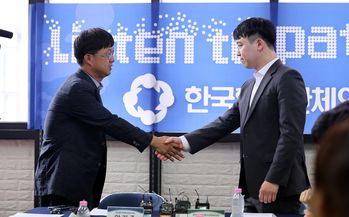
In a significant development, junior doctors in South Korea have issued their first public apology to patients affected by a prolonged dispute over medical school admissions. This rare moment of contrition marks a shift in the ongoing conflict that has lasted for 17 months. The apology was delivered by Han Sung-jon, interim chair of the Korean Intern Resident Association (KIRA), during a meeting with representatives from patient advocacy groups.
“We apologize to the public for the unease and discomfort caused by the extended conflict over medical policy,” said Han during the meeting. This gesture represents the association’s first such expression of remorse since thousands of junior doctors walked off the job in February 2024 in protest against a planned increase in medical school admissions.
Meeting Between KIRA and Patient Advocates
The meeting took place at the Korean Alliance of Patients Organization's office in Yeongdeungpo District, western Seoul. Han and four other members of the KIRA’s emergency response committee met with eight representatives, including Ahn Gi-jong, head of the organization. During the discussion, Han acknowledged the responsibility of the medical community in the situation and expressed deep regret for the distress caused by some inappropriate remarks and behaviors from doctors.
“This is the first time the KIRA has issued such a concrete message of apology amid the ongoing standoff,” Han stated. He emphasized the need for the medical community to fulfill its social responsibilities based on their expertise.
Patient Groups’ Response
Ahn Gi-jong welcomed the apology as “meaningful,” but he also stressed the importance of an unconditional return to work and a commitment to prevent future walkouts. He pointed out that junior doctors have walked away from patients twice — in 2020 and 2024 — in opposition to government policy. Without a promise to prevent a recurrence, there’s no guarantee they won’t do it again for their own interests.
The two sides held a closed-door discussion for about 40 minutes and agreed to meet again in August or September. After the meeting, Ahn told reporters that they heard explanations about why the apology was delayed and addressed concerns over preferential treatment in their return. He realized many misunderstandings could have been resolved earlier if they had met sooner.
However, the KIRA did not offer a clear stance on the demand for an unconditional return and commitment to prevent another walkout. Spokesperson Jeong Jeong-il stated that while the association agrees with the need to prevent a recurrence, institutionalizing that through regulations requires caution. He added that there is “nothing to say this time” regarding an unconditional return.
Public Perception and Government Response
Observers see the KIRA’s surprise apology as a move to garner public support ahead of a planned return via second-half recruitment. The government’s recent decision to allow flexible academic policies and an additional licensing exam to enable medical students to return sparked controversy over whether such measures amount to undue preferential treatment.
“Any measure not accepted by the people — the biggest victims of the medical crisis — amounts to preferential treatment,” said Rep. Kim Sun-min, acting leader of the Rebuilding Korea Party. “The government must come up with a response that aligns with public expectations.”
Possibly in response to such criticism, the KIRA distanced itself from demands for concessions. Jeong stated that proposals like shortened training periods, military service deferral, and additional specialist exams are not official positions of the KIRA. As an association that has advocated for higher-quality training, such demands would be inappropriate.
Key Requests and Future Steps
The KIRA previously passed three key requests on July 19, including a “guarantee of training continuity,” but maintains that these are not prerequisites for returning. Jeong explained that these proposals are meant to encourage as many junior doctors as possible to resume training. Even if they are all accepted, the KIRA has no authority to order members to return, so they cannot be considered prerequisites.
This ongoing dialogue between the KIRA and patient advocacy groups highlights the complex nature of the issue and the need for continued collaboration to address the concerns of both medical professionals and patients.

Post a Comment for "Korea's Junior Doctors Issue First Public Apology Since Strike Began"
Post a Comment