Kitchen Essentials Contain Hidden Microplastics — Here's What to Replace Them With
Understanding the Threat of Microplastics
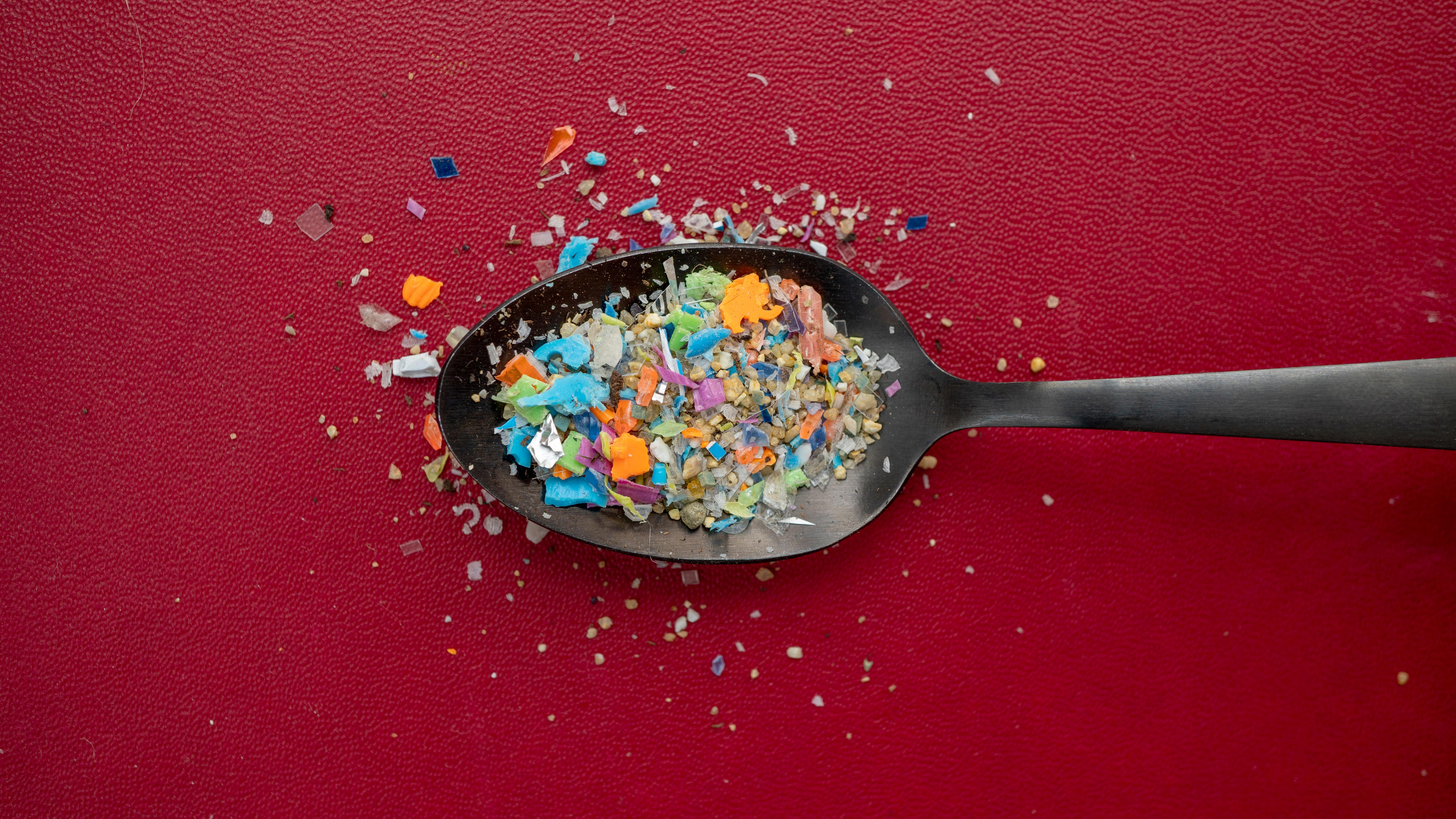
Microplastics have become a pervasive presence in our environment. These tiny fragments of plastic are found everywhere—food, water, and even the air we breathe. Their minuscule size makes them nearly invisible to the naked eye, yet they have been detected in human blood, organs, and even the brain. This growing concern has prompted scientists to investigate their potential impact on human health.
A recent study published in Nature Medicine revealed that cadaver brain samples contained significantly higher concentrations of microplastics compared to liver and kidney tissues. More alarmingly, brain tissue from individuals with dementia showed up to ten times more microplastic buildup than healthy brain tissue. This finding highlights the deep penetration of these particles into our bodies and raises serious questions about their long-term effects.
Are Microplastics Harmful?
The presence of microplastics in the human body is a growing concern. Scientists estimate that humans inhale around 22 million micro- and nanoplastics annually, making it difficult to avoid exposure. The ways in which we come into contact with microplastics include inhalation, ingestion, and skin contact.
Studies have linked microplastics to various health issues. They have been associated with an increased risk of heart attacks, strokes, and even death. Inflammation, cell death, and damage to the lungs and liver have also been observed. In animals and marine life, microplastics can cause oxidative stress, DNA damage, and cancer. Some studies have shown that mice exposed to microplastics experienced reduced sperm counts, ovarian scarring, and metabolic disorders.
Despite these findings, much remains unknown about the exact health effects of microplastics. However, the evidence so far has led many people to reconsider their choices in the kitchen and beyond.
Common Sources of Microplastics in the Kitchen
Microplastics are more prevalent than most people realize. Here are some common places where they may hide in your kitchen:
- Nonstick cookware: A study found that nonstick pans release microplastics into food during cooking. Even small cracks can lead to exposure to millions of microplastic particles.
- Plastic food containers: Heated or washed plastic containers can leach microplastics into food. Reusable takeout containers often contain microplastics.
- Plastic utensils: These can release microplastics, especially when used with hot foods.
- Tea bags: High temperatures during brewing can release microplastics from tea bags made with polypropylene.
- Certain spices: Plastic packaging for spices can introduce microplastics into food.
- Plastic straws: Studies show that plastic straws release microplastics, which can be inhaled.
- Canned food linings: Although BPA is less commonly used now, other materials may still contain microplastics.
Alternatives to Reduce Microplastic Exposure
There are several ways to reduce your exposure to microplastics in the kitchen:
- Wooden or stainless steel spatulas: Replace plastic utensils with wooden or stainless steel alternatives.
- Glass or stainless steel food containers: Opt for glass or ceramic containers at home to avoid microplastics.
- Loose tea leaves and strainers: Use loose tea leaves with a stainless steel infuser instead of tea bags.
- Spices in bulk or glass containers: Choose spices packaged in glass or ceramic to avoid contamination.
- Reusable metal or bamboo straws: Swap plastic straws for metal or bamboo options.
- Fresh or frozen produce: Avoid canned goods with plastic linings by choosing fresh or frozen alternatives.
- Cast iron, carbon steel, or stainless steel cookware: Upgrade to non-plastic cookware to reduce exposure.
Conclusion
Microplastics are a hidden threat in our kitchens, present in cookware, utensils, and even the food we eat. While research continues, there is enough evidence to warrant concern. However, simple changes can help reduce exposure and protect your health. By making mindful choices, you can minimize the risks associated with microplastics and create a safer environment for yourself and your family.

Post a Comment for "Kitchen Essentials Contain Hidden Microplastics — Here's What to Replace Them With"
Post a Comment