Key facts about Japanese beetles you need to know
The Growing Problem of Japanese Beetles
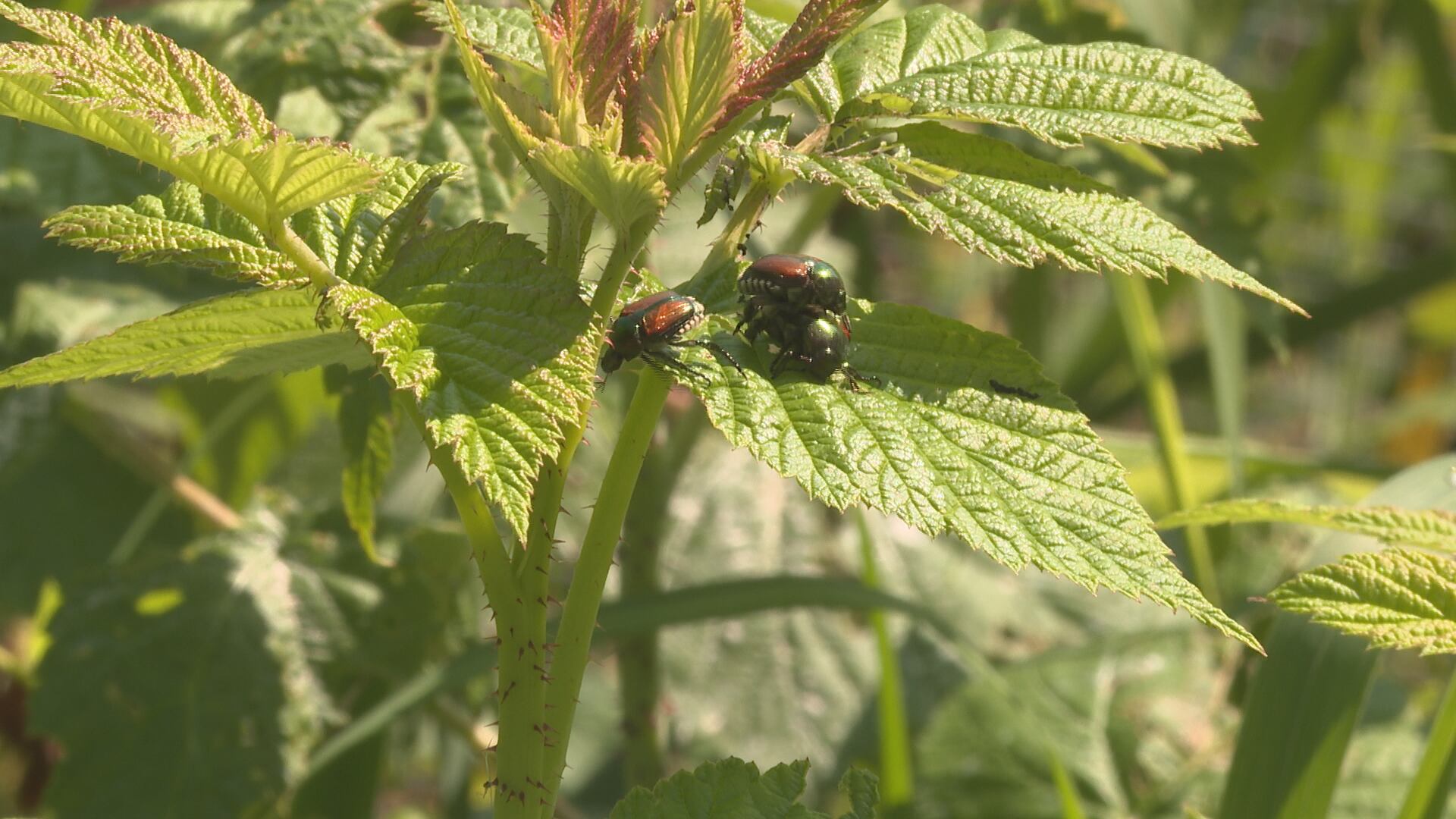
Japanese beetles have become a major concern for gardeners and farmers across the United States. These pests are known for their destructive feeding habits, causing significant damage to a wide variety of plants. It is estimated that they result in $6 to $7 million in plant damage annually. Their adaptability makes them particularly problematic, as they feed on over 300 different plant species, including apples, green beans, raspberries, and even Basswood trees.
The beetles typically emerge in early July, and their presence can be overwhelming during this time of year. As a non-native species, Japanese beetles lack the natural predators and parasites that help control populations of native insects. This absence of natural checks allows their numbers to grow unchecked, leading to widespread infestations.
Natural Predators and Biological Controls
Despite their invasive nature, there are some natural enemies that target Japanese beetles. Skunks, for example, dig up lawns in search of beetle grubs. Another predator is a specific fly species that has been introduced as a biological control. These flies lay their eggs on the heads of adult beetles, and once hatched, the larvae burrow into the beetle’s body and kill it. This method was intentionally brought in by the USDA to manage the beetle population.
In addition to the fly, a non-stinging wasp also plays a role in controlling Japanese beetles. The wasp digs into the soil to find grubs and lays its eggs on them. The wasp larvae then consume the beetle grubs, helping to reduce their numbers over time.
Long-Term Solutions and Patience
Whitaker explains that over time, predators, parasites, and diseases may begin to catch up with the beetle population, eventually bringing their numbers under control. However, this process can take decades, so patience is required from those dealing with infestations.
For individuals looking to manage Japanese beetles on their own, there are several strategies to consider. One recommendation is to avoid watering turf from July to mid-August, as this is when female beetles seek out damp areas to lay their eggs.
Another option is using neem oil, which helps deter bugs and can harm beetles that ingest it. Many gardeners also use physical barriers like netting around their gardens or manually remove the beetles from plants. There is also a product called beetleGONE! that is reported to be 90% effective in deterring beetles from eating plants, though it does not kill them.
Traps and Their Limitations
Japanese beetles release aggregation pheromones when they are feeding and happy, which attract more beetles to the area. These pheromones are used in traps designed to capture the beetles. However, Whitaker warns that these traps may not always work as intended. He notes that traps like the BAG-A-BUG type can actually lead to more plant damage in the immediate vicinity of the trap.
To mitigate this issue, he suggests giving the trap to a neighbor who lives a block away. This way, the trap can draw beetles away from your property without causing additional damage nearby.
By understanding the behavior of Japanese beetles and utilizing both natural and human-driven control methods, gardeners and farmers can better manage these pests and reduce their impact on crops and landscapes.

Post a Comment for "Key facts about Japanese beetles you need to know"
Post a Comment