K-8 Schools Embrace Digital Literacy—What Parents Should Know
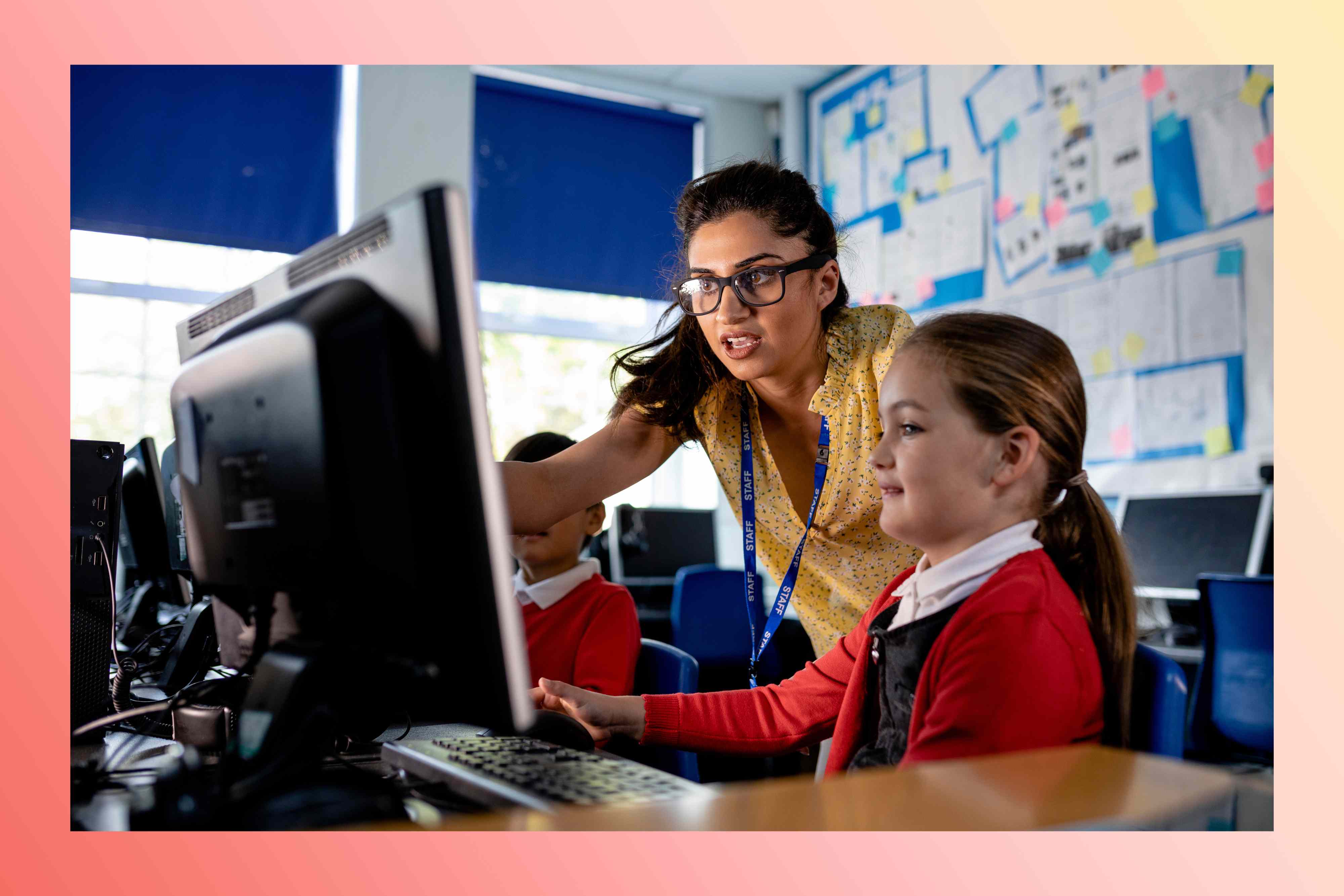
New Digital Literacy and Well-Being Curriculum Launches for K-8 Students
Common Sense Media has introduced a new version of its digital citizenship curriculum, designed to equip students from kindergarten through eighth grade with the skills needed to navigate an increasingly technology-driven world. This updated program, called the Digital Literacy and Well-Being Curriculum, is part of a broader initiative to help children understand and use technology responsibly. A high school version of the curriculum is expected to launch in the 2026-2027 academic year.
The decision to update the existing curriculum, which is used by 92,000 schools across the country and reaches 84% of Title I schools, was driven by the rapid changes in the digital landscape. As artificial intelligence (AI) becomes more prevalent and schools begin to implement new policies around cell phones and AI usage, there is a growing need for educational materials that reflect these developments.
Eisha Buch, MeD, who leads teaching and learning at Common Sense Media, emphasized the importance of keeping up with technological advancements. “We have all been watching technology continue to evolve generally and changing childhood faster than we can keep up with,” she said. “We wanted to evolve the curriculum and yet also span the test of time as it relates to the new technologies...and really focus in on what it means for kids to thrive in this tech-filled, always 'on' world.”
Key Changes in the Curriculum
This is the first major revision of the curriculum since 2018, developed over a two-year period with input from educators, classroom testing, and insights from teaching experts. The final product includes 147 new lessons for K-8 students, covering topics such as navigating an AI-powered world, developing critical thinking skills, and using technology safely and responsibly.
One of the most significant changes is the reduction in lesson length, from 45 minutes to 20 minutes, making it easier for teachers to integrate into their schedules. The curriculum is also more interactive and engaging, with additional resources for families to support learning at home.
“We know that teachers are strapped for time, and we wanted to make sure this is easy, quick, and requires minimal prep,” explained Buch. She added that the curriculum addresses current issues like parasocial relationships and deepfakes, helping students understand how to respond when something is shared online.
Benefits for Students and Educators
Stephanie Banning, a former educator and consultant with over 20 years of experience, praised the curriculum’s interactive approach. “The students are so engaged when we do these activities because they are real,” she said. “They see these scenarios and understand them, so they engage and debate and talk about these topics.”
Banning noted that even students who are usually hesitant to participate in discussions are getting involved. The curriculum helps messages resonate more deeply because students can relate to the situations presented. It encourages them to think critically about how they would handle real-life challenges online.
For example, while many students know not to share personal information online, they may still struggle with making the right choices in difficult situations. These discussions allow them to explore different responses and hear their peers’ perspectives, leading to a more meaningful learning experience.
Supporting Learning at Home
The curriculum also includes family engagement tools that parents can use to reinforce what students are learning in school. One feature is “carpool conversations,” short audio clips that prompt discussions between parents and children. These resources are designed to create a low-stakes environment for talking about technology-related topics.
“We have a brand new set of family activities that are meant to correspond with the topics being taught at particular ages within the curriculum,” said Buch. “It’s a way to have a conversation about the topic in a non-judgmental way.”
Parents can listen to the audio, which features a parent and child discussing a topic, and then pause to have a conversation. This helps model how adults can discuss complex feelings related to technology.
Availability and Access
The new curriculum is available for immediate use, with the previous version remaining accessible until June 2026. This gives schools time to transition smoothly. Educators interested in using the curriculum can also take a one-hour asynchronous professional development course starting August 18, 2025, and receive a certificate upon completion.
If a school is not currently using the curriculum, Buch recommends reaching out to teachers and administrators to inquire about its availability. The program is free to use, making it an accessible resource for schools across the country.
For more information or to access the Digital Literacy & Well-Being Curriculum, visit the official website.

Post a Comment for "K-8 Schools Embrace Digital Literacy—What Parents Should Know"
Post a Comment