Just Sayin' – Obama's Path to Trump
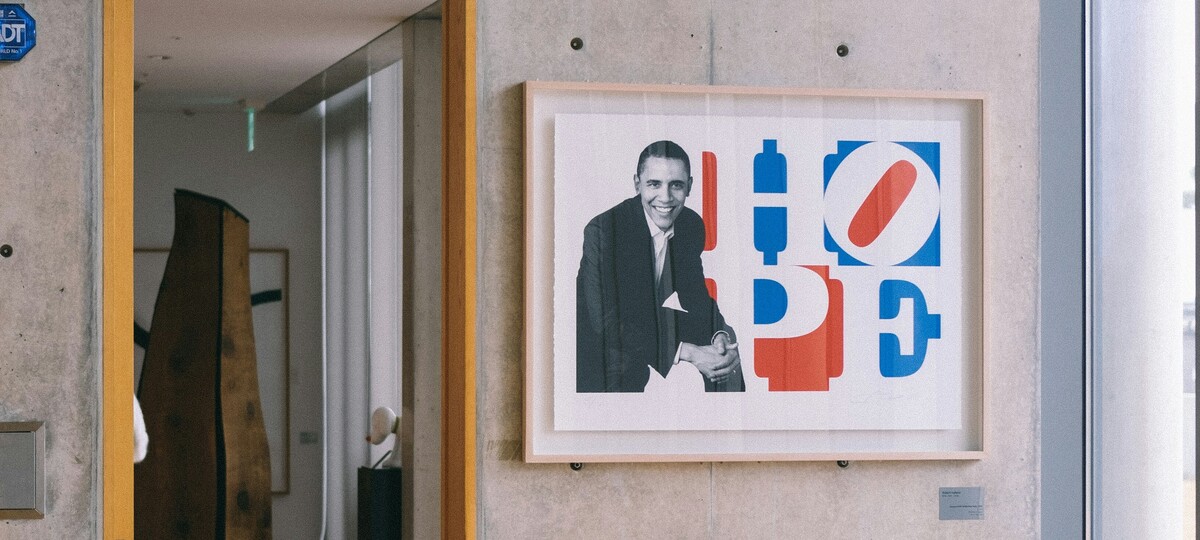
A Critical Look at the Obama Presidency
Barack Obama, the 44th president of the United States, celebrated his 64th birthday on Monday. Known for his eloquence and calm demeanor, he was often compared to historical figures like John F. Kennedy. His presidency was marked by significant achievements, including the passage of the Affordable Care Act, which aimed to expand healthcare access for millions of Americans.
However, Obama's tenure was not without its challenges and controversies. One of the most notable criticisms is that he did not take a strong stance against Donald Trump, Mitch McConnell, and other political opponents. This perceived lack of confrontation has been seen as a contributing factor to the political landscape that allowed Trump to rise to power.
The current dissatisfaction with Joe Biden is partly attributed to the path he has paved for Trump's return to the White House. Critics argue that Obama's actions in 2016, particularly his decision not to challenge Hillary Clinton's campaign effectively, opened the door for Trump's victory. While it is fair to share the blame for Trump's election among both Obama and Biden, the question remains whether Obama could have done more to prevent this outcome.
In recent years, there has been a growing sentiment among Democrats who feel that Obama should take a more active role in confronting Trump. They believe that his authoritative voice from a position of influence could provide much-needed support against Trump's aggressive policies and actions. However, Obama's statements about Trump have been described as weak, with some critics arguing that his words do not match the urgency of the situation.
One of the most contentious moments during Obama's presidency was the "birther" controversy, where Trump falsely claimed that Obama was not born in the United States. Obama's response to these allegations was delayed, leading to criticism that he did not address them adequately. Similarly, when intelligence sources uncovered Russian interference in the 2016 election, Obama chose not to inform the public directly, instead suggesting a bipartisan announcement that was ultimately ignored.
This decision allowed Trump to gain an advantage in the race. Additionally, Obama faced criticism for his handling of the Supreme Court nomination of Merrick Garland. McConnell's refusal to hold hearings for Garland was seen as a strategic move that benefited Trump's agenda, leading to the appointment of three of Trump's justices.
Another point of contention was Obama's decision to retain James Comey as FBI director despite his partisan actions that negatively impacted Hillary Clinton's campaign. Many believed that Comey should have been removed immediately, but Obama's reluctance to act was viewed as a missed opportunity.
As time passes, Obama's presidency is being reevaluated, with many noting that he often spoke well but did not always act decisively. His introverted nature contrasted with the extroverted political environment, and his failure to campaign for Democratic candidates who supported the ACA led to the loss of the House in 2010.
Despite these challenges, Obama's literary talent and grace are widely admired. His writings often reflect deep personal reflections, such as his search for his father, which echoes the timeless tale of Homer's Telemachus and Odysseus.
While Obama may have lacked experience in certain areas, his charisma and vision were undeniable. The Senate leaders who encouraged him to run, such as Ted Kennedy and Tom Daschle, recognized his potential despite his inexperience.
In retrospect, Obama's presidency was marked by several missed opportunities. His small stimulus package failed to end the 2009 recession, and he did not close Guantanamo Bay or regulate Big Tech effectively. He also did not end the wars initiated by the Bush administration that he opposed.
Obama's inability to pass major bills on immigration and gun control further highlighted his struggles in Congress. Unlike Bill Clinton, who thrived in the political arena, Obama often seemed hesitant to engage in the rough and tumble of politics.
When Vladimir Putin annexed Crimea, Obama's response was perceived as inadequate. His signature achievements in the second term, such as the Paris Agreement and the Iran nuclear deal, were largely driven by other officials like John Kerry.
These decisions left a lasting impact on Obama's legacy, as Trump later dismantled many of these agreements, eroding the accomplishments of his administration. As a result, America found itself under the leadership of Trump twice, raising questions about the effectiveness of Obama's approach.
Overall, Obama's presidency was a complex mix of achievements and shortcomings, leaving a legacy that continues to be debated and analyzed.

Post a Comment for "Just Sayin' – Obama's Path to Trump"
Post a Comment