Judges Halt Trump Policies After Supreme Court Decision
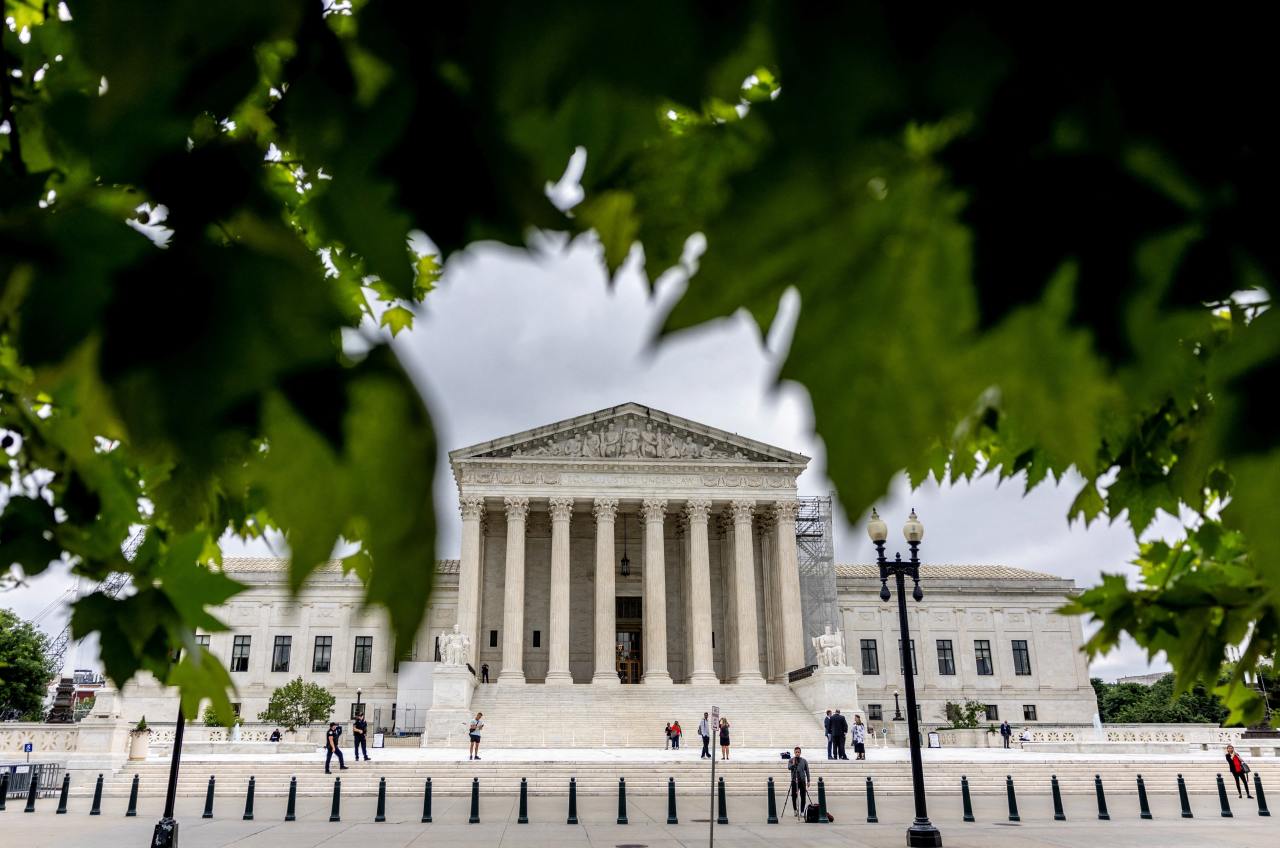
The Supreme Court's Decision and Its Impact on Nationwide Injunctions
In June, the Supreme Court delivered a significant ruling that limited the ability of federal judges to issue nationwide injunctions against Trump administration policies. This decision was met with immediate praise from the president, who declared that the universal injunction was effectively dead. However, in the following month, states, organizations, and individuals challenging government actions have found ways to achieve victories against the White House, as judges across multiple cases have continued to grant sweeping relief when they determine that the government has overstepped its authority.
At least nine cases have seen judges explicitly addressing the Supreme Court’s opinion and still granting nationwide relief. These include rulings that maintain the halt of the policy at the center of the high court case: President Trump’s attempt to limit birthright citizenship. Additionally, protections for up to 500,000 Haitians against deportation have been upheld, mass layoffs at the Department of Health and Human Services have been stopped, and the termination of a legal-aid program for mentally ill people in immigration proceedings has been prevented.
Legal Tools and Strategies
To achieve these outcomes, litigants have utilized a variety of tools. They have defended the necessity of existing injunctions, filed class-action lawsuits, and invoked the Administrative Procedure Act (APA), which requires government agencies to act reasonably. This law has proven to be a powerful instrument for challenging policies, regardless of political affiliation.
There is a rare consensus among both conservative and liberal lawyers that the path to obtaining nationwide rulings remains open. Skye Perryman, president and CEO of Democracy Forward, a progressive legal group, noted that “we’re continuing to get that relief.” Similarly, conservative legal advocates see nationwide injunctions as viable in certain situations. Dan Lennington, a lawyer at the Wisconsin Institute for Law & Liberty, emphasized that they will continue to seek nationwide injunctions when necessary to protect their clients.
The Supreme Court's Ruling and Its Implications
The Supreme Court’s decision had been anticipated for some time, as both Democratic and Republican administrations had previously faced challenges from single district court judges blocking their policies. The 6-3 ruling stated that when judges find the executive branch has acted unlawfully, their injunctions can only be as broad as needed to provide complete relief to the parties involved.
Trump’s birthright citizenship policy aimed to deny citizenship to children born in the U.S. unless one of their parents was a citizen or permanent legal resident. Despite the Supreme Court’s ruling, judges have continued to rule that blocking the policy nationwide remains the appropriate solution. U.S. District Judge Leo Sorokin in Boston recently stated that a nationwide ruling was the only way to prevent harm to plaintiffs, including a coalition of 20 Democratic-run states and local governments. He highlighted the confusion that could arise from a patchwork approach to citizenship, particularly given the mobility of families and the fact that children are often born in states where their parents do not reside.
State Attorneys General and Class Action Lawsuits
State attorneys general remain well-positioned to win broad injunctions against the federal government when they can demonstrate executive overreach. Tennessee’s Republican attorney general, Jonathan Skrmetti, noted that state offices are active participants in the judicial system. A New Hampshire judge also blocked Trump’s birthright order after litigants used a class-action lawsuit to represent a nationwide group of plaintiffs.
Recent cases highlight the continued potency of the Administrative Procedure Act. Judges have blocked several Trump policies in the past month under the APA, and in most instances, they have explicitly stated that the Supreme Court’s ruling does not prevent them from doing so. Zach Shelley, a lawyer at Public Citizen, cited the APA as the obvious choice for addressing a nationwide policy. District Judge John Bates in Washington, D.C., criticized the administration for removing entire webpages of information instead of targeting specific words or statements that violated the gender order. He noted that nothing in the high court’s ruling prevented him from ordering the pages to be restored.
Ongoing Legal Challenges
The Justice Department is still in the early stages of using the Supreme Court’s ruling to its advantage, and legal observers expect it to help the administration in some cases. In one instance, a New York judge narrowed the scope of a ruling blocking the administration’s attempts to end contracts with Job Corps centers. However, if the lawsuit had been filed as a class action or approached differently, the outcome might have been different. Judge Andrew Carter emphasized that the method of litigation can significantly impact the result.

Post a Comment for "Judges Halt Trump Policies After Supreme Court Decision"
Post a Comment