Judge Criticizes Trump Era Effort to End 28-Year Policy Protecting Immigrant Minors
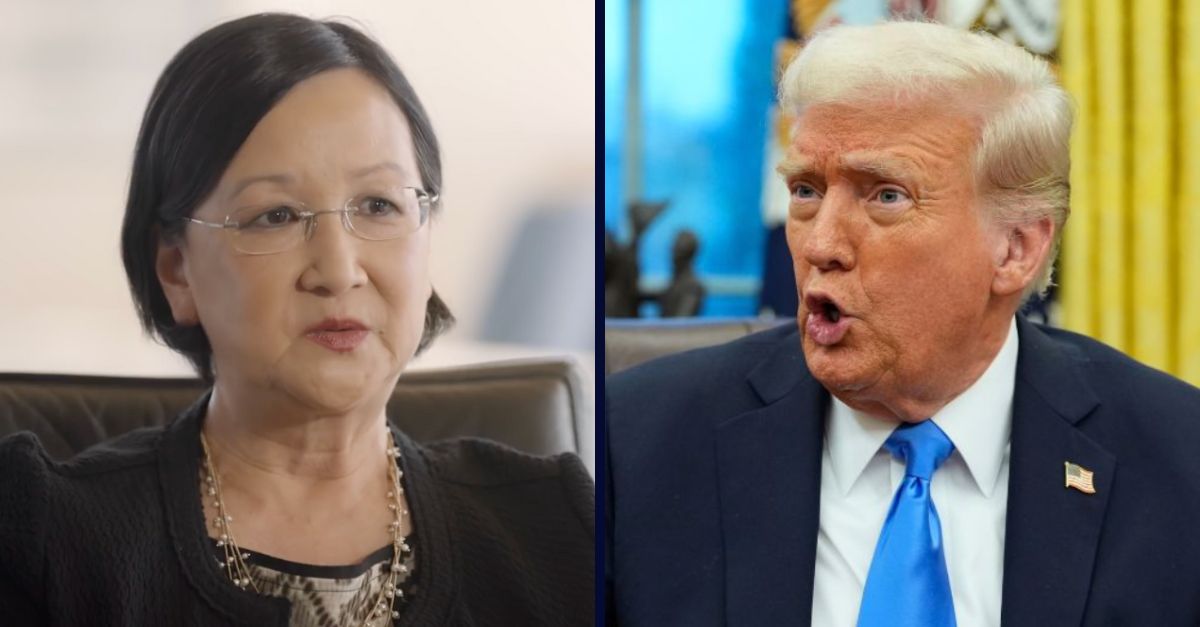
A Federal Judge Rejects the Trump Administration's Attempt to Eliminate the Flores Settlement Agreement
A federal judge in California has denied the Trump administration’s effort to eliminate the 28-year-old Flores Settlement Agreement, which ensures court-mandated oversight of how immigrant children are treated while in federal custody. The decision by U.S. District Judge Dolly Gee reaffirms the agreement’s continued relevance and highlights the administration’s failure to present new legal or factual grounds for its termination.
Judge Gee issued a 20-page order on Friday, stating that the Justice Department had not provided any new evidence or legal reasoning to justify ending the 1997 agreement. She emphasized that the arguments made by the administration were not new, calling the situation “deja vu” as the government repeated similar claims.
The Flores Settlement Agreement was established after a class-action lawsuit was filed in 1985 by Jenny Lisette Flores, a 15-year-old detainee. Under the agreement, immigrant children must be held in state-licensed facilities that ensure proper treatment and humane conditions before being released into the care of family members or guardians as quickly as possible.
The Trump administration previously attempted to terminate the agreement in 2019 but was unsuccessful. This time, the administration argued that Congress had passed legislation addressing the issues the settlement aimed to resolve, and that federal agencies had implemented policies to ensure the proper treatment of children. However, Judge Gee dismissed these claims, stating that the legal and policy landscape had not changed enough to warrant the agreement’s removal.
In a motion for relief submitted on May 22, Justice Department lawyers claimed that the legal basis for the Flores Agreement had “withered away.” They argued that the agreement was an “intrusive regime” that had “ossified” federal immigration policy. However, Judge Gee pointed out that these claims were not new and that the agreement had been serving its intended purpose by ensuring the prompt release of unaccompanied children.
She criticized the administration for suggesting that the agreement should be abandoned simply because some progress had been made in improving conditions for immigrant children. “To suggest that the agreement should be abandoned because some progress has been made is nonsensical,” she wrote.
Judge Gee also addressed the administration’s claim that the Department of Homeland Security (DHS) did not need to include an expeditious release provision in its regulations. She noted that this argument ignored previous rulings from multiple courts, which had clearly stated that the Flores Agreement was meant to ensure the swift release of unaccompanied children.
In her conclusion, Judge Gee stated that it was the Trump administration that continued to be bound by the agreement because it had failed to fulfill its obligations under the terms of the settlement.
Ongoing Allegations of Violations
Lawyers representing the immigrant children involved in the original class-action lawsuit have accused the Trump administration of continuing to violate the Flores Agreement. In a motion filed on June 17, they alleged that children were still being held in restrictive and traumatic conditions across various facilities in states such as New York, Maine, Illinois, Ohio, Arizona, Texas, and California.
One parent described their experience at a facility where the rooms had hard cement walls and only a small window facing the hallway. The child and parent were not allowed to go outside, and the child reportedly asked, “Is that America?” during an interview.
The plaintiffs’ lawyers argued that the Trump administration’s desire to end the agreement was not based on compliance with its principles, but rather on wanting greater flexibility in how children were treated. They claimed that the administration sought to remove the agreement so it could treat children however it wished.
No Comment from the Justice Department
DOJ officials did not respond to requests for comment on the ruling. The decision by Judge Gee underscores the ongoing legal battle over the treatment of immigrant children in federal custody and highlights the challenges faced by those seeking to reform or eliminate long-standing policies.
The case continues to draw attention as advocates and legal experts monitor how the administration will respond to the court’s rejection of its attempt to terminate the Flores Settlement Agreement.

Post a Comment for "Judge Criticizes Trump Era Effort to End 28-Year Policy Protecting Immigrant Minors"
Post a Comment