José Andrés on "Face the Nation" Transcript
A Glimpse into the Humanitarian Crisis in Gaza
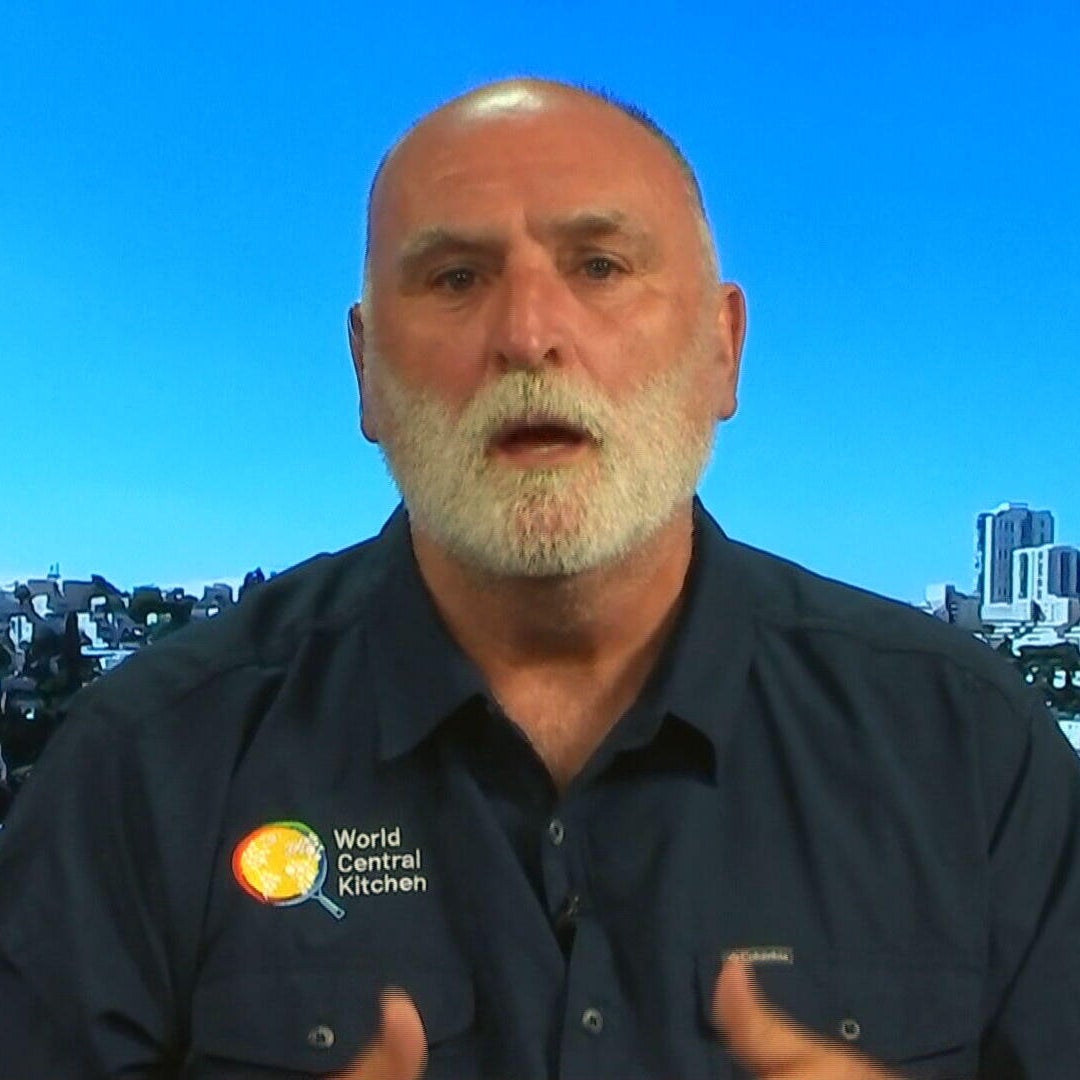
In a recent interview on "Face the Nation with Margaret Brennan," Chef José Andrés, founder of World Central Kitchen, provided a firsthand account of his visit to Gaza. The conversation shed light on the ongoing humanitarian crisis and the challenges faced by those trying to provide aid in the region.
Firsthand Experience in Gaza
Andrés described his visit as a brief day trip, during which he was able to tour one of World Central Kitchen’s main kitchens in Deir al-Balah. He also visited the warehouses and bakeries that support the organization's efforts. His primary goal was to assess the needs of the teams on the ground and determine how they could expand their operations to meet the growing demand for food.
Despite the limited time he spent in Gaza, Andrés emphasized the critical need for more aid. He pointed out that while the organization is currently providing around 200,000 meals a day, this only covers about 10% of the total need. The situation remains dire, with many people receiving only the bare minimum of sustenance.
The Debate Over Starvation
The interview touched on the conflicting reports regarding starvation in Gaza. While the United Nations has reported instances of starvation, Israeli officials have denied such claims. Andrés acknowledged the complexity of the situation but stressed that the organization is working to ensure that children in particular receive the necessary nutrition.
He highlighted the importance of consistent aid flows, noting that the blockade of food supplies for many weeks left millions in a vulnerable state. Even though the blockade has been lifted, Andrés emphasized the need for an increase in aid to prevent further suffering.
Challenges in Scaling Up Aid Efforts
One of the key challenges facing World Central Kitchen is the logistics of scaling up food production. Andrés mentioned the need for more trucks, fuel, and resources to maintain a steady flow of food into Gaza. He noted that while the current number of trucks entering Gaza is encouraging, it is still insufficient to meet the demands of the population.
Andrés also discussed the importance of establishing more kitchens and bakeries within Gaza itself. He explained that having food sources closer to where people live reduces the burden on individuals who would otherwise have to travel long distances to access aid. This model, he argued, is more effective than relying solely on centralized distribution points.
Addressing Concerns About Exploitation
During the interview, Andrés addressed concerns about potential exploitation by bad actors posing as humanitarian workers. He acknowledged that the situation in Gaza is complex and that investigations are ongoing. However, he emphasized that the focus remains on supporting local Palestinians who are working tirelessly to feed their communities.
A Call for Peace and Reconciliation
As the conversation drew to a close, Andrés shared his experience meeting with Iair Horn, a former hostage whose brother is still held in Gaza. Their discussion underscored the human cost of the conflict and the urgent need for a cease-fire and the release of hostages.
Andrés expressed hope for a future where both Israelis and Palestinians can live in peace, with access to basic necessities like food and security. He called for continued support for humanitarian efforts and a commitment to addressing the root causes of the crisis.
Conclusion
Chef José Andrés’ insights offer a powerful reminder of the resilience of communities in crisis and the critical role of organizations like World Central Kitchen in providing essential aid. As the situation in Gaza continues to evolve, the need for sustained international support and cooperation remains more important than ever.

Post a Comment for "José Andrés on "Face the Nation" Transcript"
Post a Comment