John Lennon's Secret Plan to Save the Beatles and Paul McCartney's Rejection
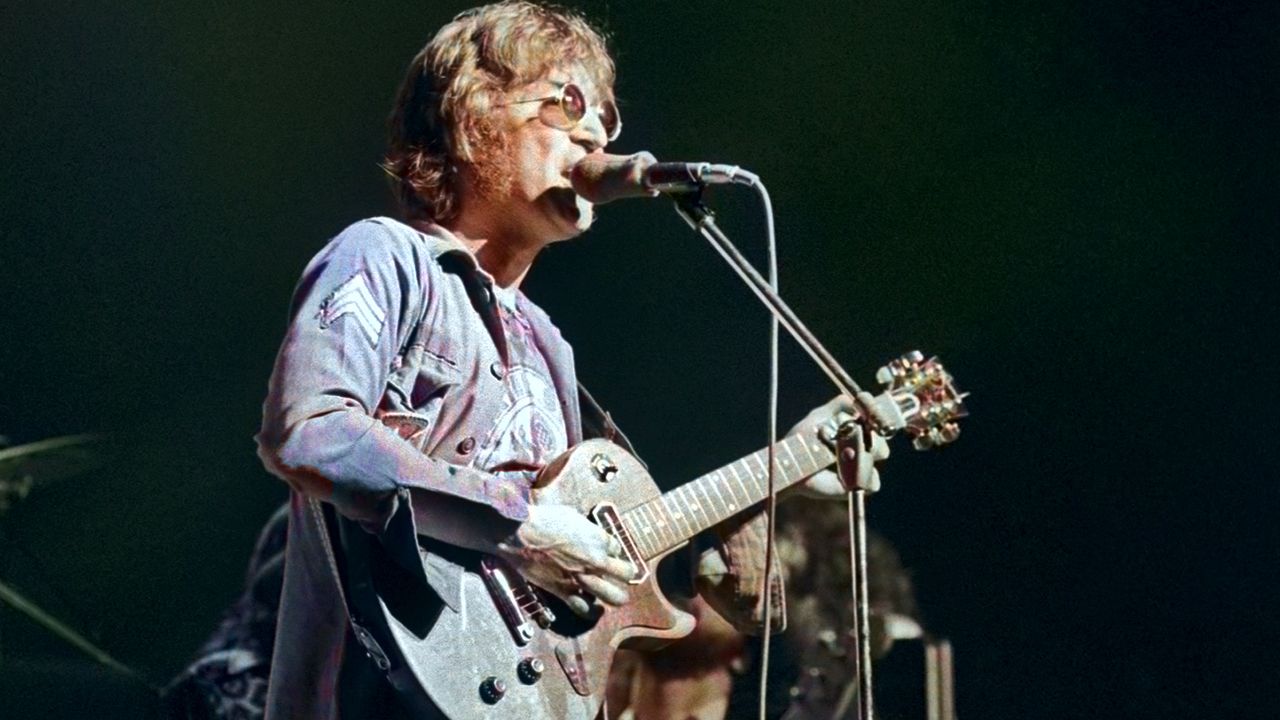
The Final Meeting: A Glimpse into the Beatles’ Last Days
John Lennon's decision to leave the Beatles in September 1969 marked the end of an era. However, what many fans may not know is that just two weeks before he announced his departure, Lennon had a vision for the band’s future. This vision was captured on a tape recording from a meeting between Lennon, Paul McCartney, and George Harrison at Apple Corps headquarters in London.
The meeting took place on September 8, 1969, and was recorded because drummer Ringo Starr was unable to attend due to health issues. The recording was made so that Starr could still be part of the discussion. Lennon explained to Starr, “You can’t be here, but this is so you can hear what we’re discussing.”
Planning for the Future
Lennon wasn’t just thinking about one more album; he was laying out a strategy for the group’s future. He proposed that each of the main songwriters—himself, McCartney, and Harrison—should have four songs per album. Additionally, he suggested that Starr should have the option to contribute two songs if he wished. This approach aimed to ensure a more balanced representation of each member’s contributions.
Lennon also wanted to move away from the "Lennon and McCartney myth" regarding their songwriting partnership. While they had occasionally collaborated in the past, most of their songs were credited to both of them regardless of who wrote them. Lennon suggested that only the sole writer should receive credit moving forward.
A Shift in Songwriting Credits
McCartney, who had been working hard to bring the Beatles back together earlier that summer, remained largely silent during the meeting. He did not support Lennon’s ideas for a more equitable division of songs or more accurate songwriting credits. Despite this, Lennon recognized Harrison’s growing talent as a songwriter. Over the previous year, Harrison had contributed several standout tracks, including “Old Brown Shoe,” “Something,” and “Here Comes the Sun.” These songs were so well-received that they were featured on singles, with “Something” becoming Harrison’s first and only Beatles A-side.
Lennon expressed frustration over the lack of opportunities given to Harrison. “We’ve never offered George B-sides; we could have given him a lot of B-sides, but because we were two people, you had the A-side and I had the B-side,” he said.
A Missed Opportunity
The meeting also touched on Harrison’s recent departure from the band in January 1969, which had caused tension within the group. Lennon believed that Harrison’s decision was the result of years of feeling overlooked. He suggested that the Beatles should focus on creating music that best represented them as a collective rather than serving as each other’s backing band.
Lennon even proposed giving some of their less-favored songs to other artists. For example, he suggested that McCartney’s “Ob-La-Di, Ob-La-Da” and “Maxwell’s Silver Hammer” could be given to other performers who might appreciate them more. This idea was met with mixed reactions, as the conversation quickly shifted to debates over Harrison’s songwriting and the level of involvement of the other Beatles in his work.
The End of an Era
Despite these discussions, the meeting ultimately failed to resolve the underlying tensions within the group. Shortly after, Lennon and Ono left for a performance at the Toronto Rock and Roll Revival Festival. Upon returning, Lennon decided it was time to leave the Beatles.
On September 20, 1969, he officially announced his departure, marking the end of the Fab Four. This meeting, though filled with ideas and plans, became a missed opportunity to salvage the band. The Beatles' final chance to stay together had passed, and the world would never see them perform together again.

Post a Comment for "John Lennon's Secret Plan to Save the Beatles and Paul McCartney's Rejection"
Post a Comment