Jesse Watters' Trump 'Jacked' Rant Reveals Deep Daddy Issues
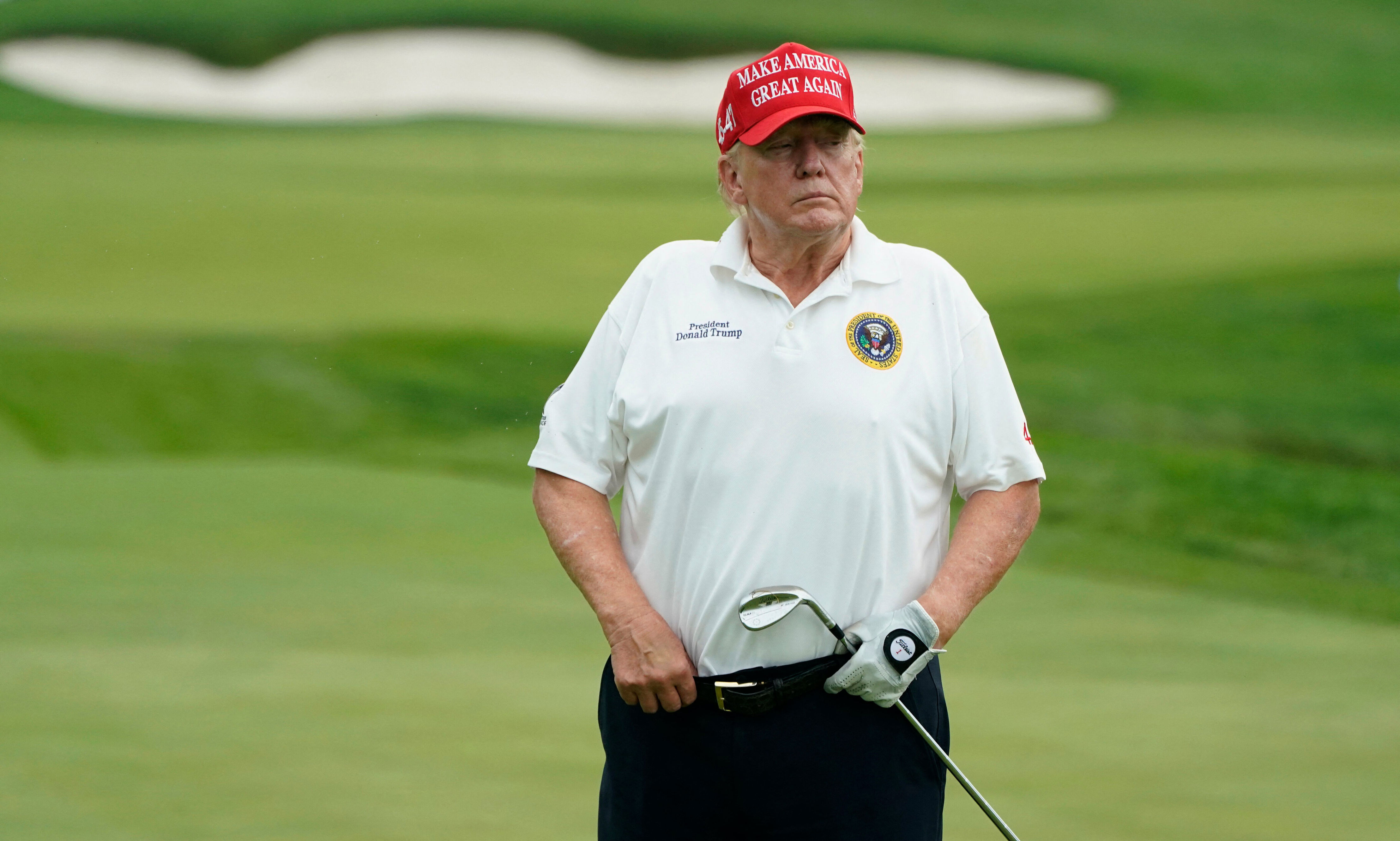
The Rise of "Daddy Trump" in Conservative Circles
In recent years, the term "Daddy Trump" has become a notable phrase within certain conservative circles, often used to describe the relationship some supporters feel with former President Donald Trump. This label is not just a casual nickname; it reflects a deeper cultural and political sentiment that has gained traction among a segment of the population.
Jesse Watters, a prominent figure on Fox News, has been vocal about his admiration for Trump, often drawing comparisons between the president and traditional notions of masculinity. During an episode of "The Five," Watters made remarks that many found unsettling, likening Trump's strength to that of a father figure. His comments were sparked by a video shared by Rep. Eric Swalwell, who was seen lifting weights while criticizing the Republican-led Congress for its early summer recess.
Swalwell's video highlighted his frustration with the timing of the recess, suggesting that it was an attempt to avoid a vote on releasing the Jeffrey Epstein files. In response, Watters shifted the focus from the issue at hand to a discussion about physical strength and masculinity. He claimed that Trump possesses a unique kind of strength, one that he described as "dad strength."
Watters elaborated on this concept, sharing a personal anecdote about his father's grip, which left him in awe. This narrative, while seemingly innocent, took a strange turn when he compared Trump to a father figure, reinforcing the idea of "Daddy Trump." This term has been used by some conservatives to evoke a sense of authority and protection, reminiscent of traditional family structures.
The use of "Daddy Trump" is not without controversy. It has drawn criticism from various quarters, with some arguing that it perpetuates harmful stereotypes about masculinity and leadership. The phrase has also been linked to broader discussions about authoritarianism and the desire for strong, decisive leadership.
Political scientist Jane Junn, from the University of Southern California Dornsife College, has analyzed the phenomenon, noting that the term likely stems from patriarchal beliefs that emphasize male strength, toughness, and authority. She suggests that those who embrace the term may be nostalgic for a time when a single man was seen as the ultimate decision-maker.
This trend has not gone unnoticed by other conservative figures. Prominent Republicans like Rep. Byron Donalds and Rep. Lauren Boebert have also adopted the "Papa Trump" moniker, further embedding the concept into the political discourse. Even disgraced actor Mel Gibson has joined the chorus, highlighting the widespread appeal of this imagery among certain groups.
The implications of such language are significant. It not only shapes public perception of leadership but also influences how individuals view authority and power. As the political landscape continues to evolve, the use of terms like "Daddy Trump" raises important questions about the values and ideals that underpin modern conservatism.
Ultimately, the term serves as a reflection of the complex interplay between politics, culture, and identity. It underscores the ongoing dialogue about what it means to be a leader and the expectations placed on those in positions of power. As society grapples with these issues, the significance of such labels will likely remain a topic of discussion for years to come.

Post a Comment for "Jesse Watters' Trump 'Jacked' Rant Reveals Deep Daddy Issues"
Post a Comment