Jelly Roll AI Scam: Ohio Man's Shocking Experience
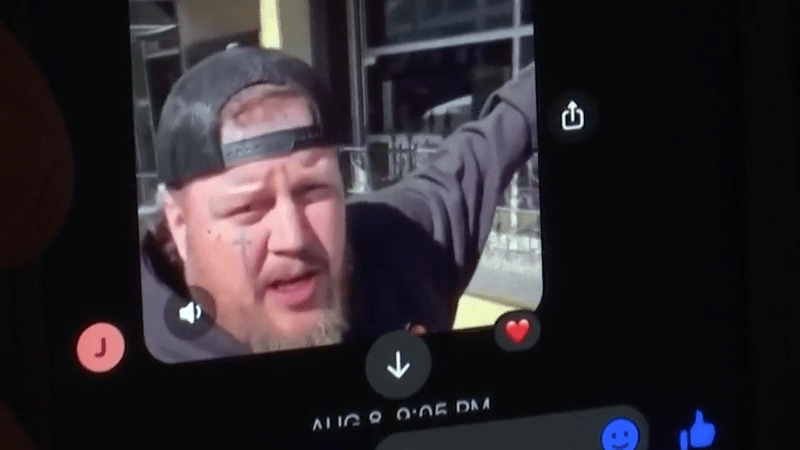
A Man’s Experience with an AI Scam Impersonating Jelly Roll
A man from Springfield, Ohio, recently shared his harrowing experience of falling victim to a scam that used artificial intelligence (AI) to impersonate country music star Jelly Roll. The incident left him shaken and financially strained, but it also served as a cautionary tale for others.
Ronnie Flint, the victim, described how he initially believed he was receiving legitimate messages from his favorite celebrity. He received a Facebook message that appeared to be from Jelly Roll, claiming he had won $50,000 for a brand new car. At first, Flint wasn’t convinced, but the scam took a more convincing turn when the account sent him a video of a person who looked and sounded like Jelly Roll.
The video included a request for Flint to cover shipping costs to receive his prize. To add credibility, the account even provided what they claimed was Jelly Roll’s official driver’s license. However, upon closer inspection, there were several inconsistencies. For instance, the name on the license was spelled “Jolly roll” instead of “Jelly Roll,” which is the artist’s stage name. Additionally, the document appeared to be a Permanent Resident Card, something that would not typically be issued to a U.S. native like Jelly Roll. The card also incorrectly listed Nashville as the place of birth, which doesn’t align with the singer’s actual background.
Flint was further convinced when he received a second video where the person on screen said his full name. This detail made him believe the communication was genuine, leading him to send $70 in Apple gift cards. Despite being on a fixed income, Flint felt compelled to comply, even telling the sender that he was on disability and that this money was all he had for the month.
However, a family member quickly raised concerns about the legitimacy of the messages. After reviewing the situation, Flint decided to stop sending money and filed a police report. Unfortunately, the scam didn’t end there. He reported that the messages continued, with the scammers expecting another $30 on the 3rd of the following month.
Flint now hopes to share his story to help prevent others from experiencing the same ordeal. His experience highlights the growing use of AI in scams, particularly those that mimic celebrities or other trusted figures. These schemes often rely on creating a sense of urgency and trust to manipulate victims into sending money.
Common Scam Tactics and How to Avoid Them
Scammers frequently use tactics such as:
- Impersonation: Pretending to be someone you know or trust, such as a celebrity or a friend.
- Urgency: Creating a false sense of urgency to pressure victims into acting quickly without thinking.
- Gift Cards: Asking for payments through gift cards, which are difficult to trace and can be easily converted into cash.
Multiple organizations, including law enforcement agencies, advise people to be cautious if someone asks them to pay with gift cards or offers something too good to be true. The Federal Trade Commission (FTC) has specifically warned against sending money to celebrities who contact you online.
“Imposter scams come in many varieties, but they all work the same way: a scammer pretends to be someone you trust to convince you to send them money,” the FTC explained. This advice is especially relevant given recent cases, such as an Illinois woman who lost $62,000 to an account impersonating actor Kevin Costner.
Staying Vigilant Against Scams
As technology continues to evolve, so do the methods used by scammers. It’s essential to remain vigilant and verify any unexpected communication, especially if it involves money or personal information. Always double-check the details and consult with trusted individuals before making any financial decisions.
By sharing stories like Flint’s, the public can become more aware of the risks and better equipped to protect themselves from similar scams in the future.

Post a Comment for "Jelly Roll AI Scam: Ohio Man's Shocking Experience"
Post a Comment