Jelly Roll AI Scam: Man Mistaken for Real Video
A Man’s Experience with an AI Scam Involving a Country Music Star
A man from Springfield, Ohio, has shared his story of falling victim to a scam that used artificial intelligence to impersonate a country music star, leading him to lose money. The incident highlights the growing use of AI technology in fraudulent activities and serves as a warning to others about the dangers of online scams.
Ronnie Flint, the victim, described how he was initially convinced that he had won a prize from his favorite musician, Jelly Roll. He received a message on Facebook that appeared to be from the singer, informing him that he had won $50,000 for a brand new car. This initial contact was enough to pique his interest, but it was the subsequent videos that truly convinced him.
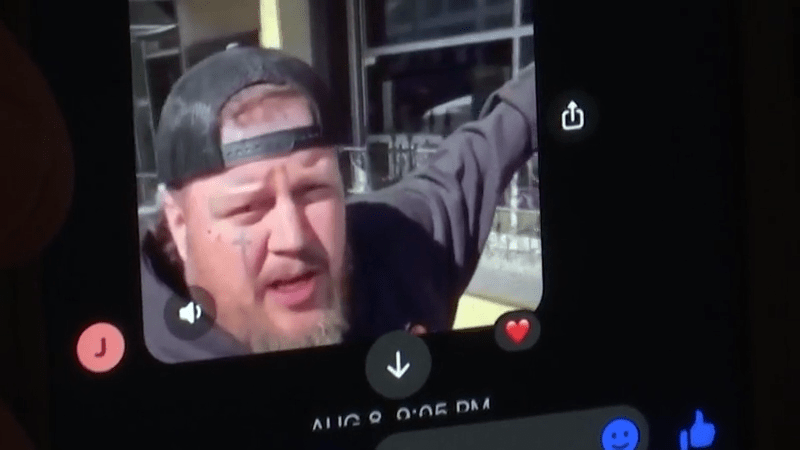
The account sent Flint a video featuring a man who looked like Jelly Roll, asking him to cover the shipping costs to receive his prize. Even though Flint was skeptical, the page provided what they claimed was Jelly Roll’s official driver’s license. However, upon closer inspection, there were several inaccuracies. For example, the name on the license was written as “Jolly roll” instead of “Jelly Roll,” which is the artist's stage name. Additionally, the document appeared to be a Permanent Resident Card, which would not typically be associated with a U.S. native like Jelly Roll. The location listed on the card, Nashville, also did not match the singer's actual birthplace.
Despite these red flags, Flint was further convinced when he received a second video where the person claimed to know his full name. This made him believe that the interaction was genuine. He then followed the instructions to send money through Apple gift cards, even though he is on a fixed income. Flint admitted that he told the individual that he was on disability and that the money he sent was all he had for the month.
A family member eventually warned Flint that the situation might be a scam, prompting him to stop the payments and file a police report. However, the messages continued, with the scammers attempting to get more money from him. Flint expressed concern that they might try to get another $30 from him on the 3rd, but he is determined not to fall for the trick again.
Flint’s experience is just one of many cases involving imposter scams. Multiple organizations, including law enforcement agencies, advise people to be cautious when receiving unexpected messages or offers. They emphasize that if something seems too good to be true, it often is. Additionally, they warn against sending money through gift cards, as this is a common tactic used by scammers.
The Federal Trade Commission (FTC) has issued warnings about scams involving celebrities. According to the FTC, imposter scams involve scammers pretending to be someone you trust to get you to send them money. These scams can take many forms, but the goal is always the same: to deceive individuals into handing over their hard-earned cash.
This case is not unique. Earlier this year, an Illinois woman lost $62,000 to an account impersonating the actor Kevin Costner. These incidents underscore the importance of being vigilant and informed when interacting with strangers online, especially those claiming to represent celebrities or other well-known figures.
By sharing his story, Flint hopes to raise awareness about the risks of AI-based scams and encourage others to protect themselves from similar situations. His experience serves as a reminder that while technology can be beneficial, it can also be exploited by those with malicious intent.

Post a Comment for "Jelly Roll AI Scam: Man Mistaken for Real Video"
Post a Comment