Japan Marks 80 Years Since Hiroshima Atomic Bombing
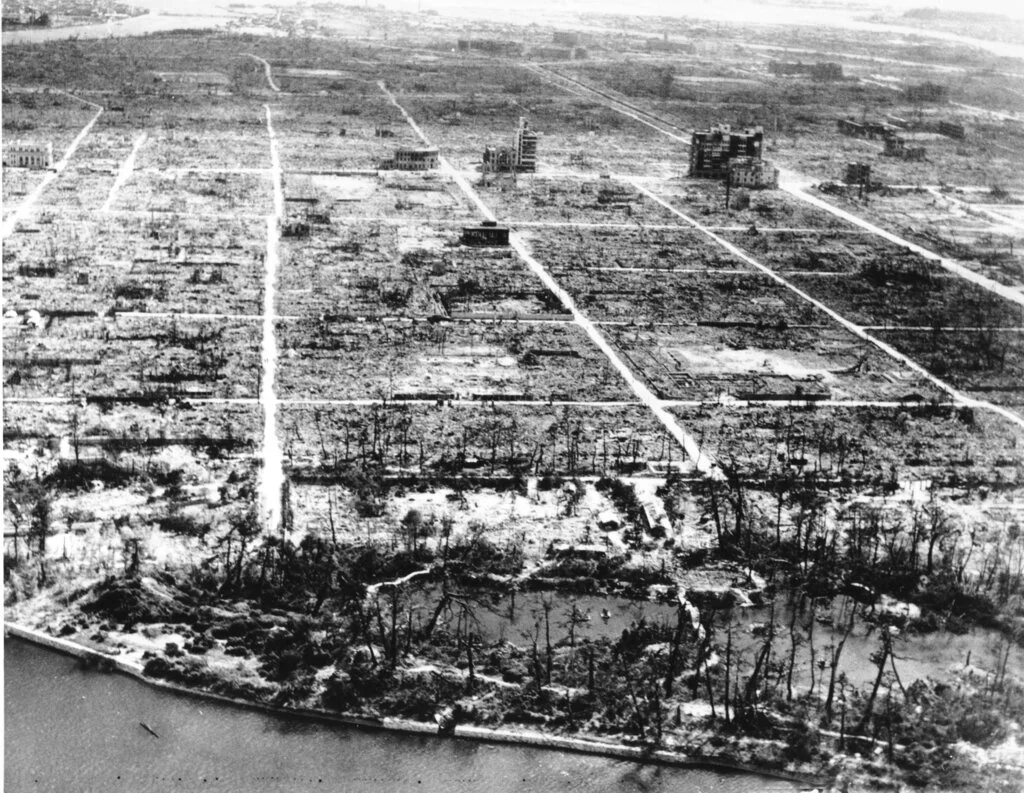
The 80th Anniversary of the Atomic Bombing of Hiroshima
The 80th anniversary of the atomic bombing of Hiroshima marked a significant moment in global history, as people around the world reflected on the devastating event that reshaped human civilization. On August 6, 1945, at 8:15 a.m., the American B-29 bomber Enola Gay dropped an atomic bomb over the Japanese city of Hiroshima. This act unleashed a force unlike anything seen before, instantly killing tens of thousands and causing widespread destruction. In the following weeks and months, more lives were lost due to radiation sickness. Three days later, another, more powerful bomb was dropped on Nagasaki after clouds obscured the original target, Kokura. These bombings, combined with the Soviet Union's invasion of Manchuria, led to Japan’s surrender on August 15, bringing an end to World War II.
This anniversary holds special significance as it may be the last major milestone for many of the remaining survivors, known as "hibakusha." According to recent reports, the average age of these survivors is over 86, making their voices increasingly precious as they share their experiences.
Hiroshima Mayor Kazumi Matsui addressed the commemoration at the Hiroshima Peace Memorial Park, emphasizing the dangers of nuclear proliferation and referencing ongoing conflicts such as the war in Ukraine and tensions in the Middle East. He warned that these developments ignore the lessons learned from history and threaten the peace frameworks built by previous generations.
Japanese Prime Minister Shigeru Ishiba attended the ceremony alongside approximately 55,000 participants. The event attracted representatives from 120 countries and regions, the highest number since the annual commemorations began. Notably, representatives from Russia and Belarus were present, highlighting the global nature of this remembrance.
The ceremony included a moment of silence at 8:15 a.m. and the release of white doves. Many of the dwindling number of survivors were also in attendance, including Kosei Mito, a 79-year-old who suffered radiation poisoning while in his mother’s womb. Another survivor, 94-year-old Minoru Suzuto, expressed concern about the future, stating that in 10 or 20 years, there may be no one left to pass on the painful memories of the bombings.
The Origins of the Atomic Bomb
The atomic bomb was developed as part of the Manhattan Project, a top-secret initiative involving some of the greatest scientific minds in the United States. The project aimed to harness the power of nuclear energy, leading to the creation of the first nuclear weapon. On July 16, 1945, the first nuclear explosion occurred in the Alamogordo Bombing Range in New Mexico, marking the beginning of the Atomic Age.
At the time of the Hiroshima bombing, few people outside of the U.S. military knew about the existence of the atomic bomb. Even the airmen involved in the mission were kept in the dark until the bomb detonated. William Laurence, a journalist accompanying the Enola Gay, described the awe-inspiring sight of the explosion, calling it a "new species of being" born before their eyes.
President Harry S. Truman announced the use of the atomic bomb shortly after the attack, promising its continued use if Japan did not surrender. His decision remains one of the most controversial in history, with debates surrounding its necessity, ethics, and impact on Japan's decision to surrender.
Historical Perspectives on the Decision
Historians continue to debate the justification for using the atomic bomb. Critics argue that the bombings were unnecessary, causing massive civilian casualties when Japan was already on the brink of defeat. Others suggest that a combination of strategic air campaigns and blockades could have led to Japan's surrender without the need for nuclear weapons.
Two recent books, Implacable Foes: War in the Pacific, 1944–1945 by Waldo Heinrichs and Marc Gallicchio, and Twilight of the Gods: War in the Western Pacific, 1944–1945 by Ian Toll, support the traditional view that the atomic bomb was necessary to end the war quickly. They highlight the logistical challenges and potential losses of a planned invasion of Japan, arguing that the shock of the bombs was crucial in breaking the deadlock among Japanese leaders.
Toll emphasized the fanaticism of the Japanese military and the threat of a coup if peace negotiations were pursued. He concluded that the use of the atomic bomb was justified given the circumstances and the limited options available to President Truman.
Reflections on the Past and Future
Paul Fussell, a young Army lieutenant set to invade Japan, recalled the relief he felt upon learning of the bombing. “We cried with relief and joy. We were going to live. We were going to grow up to adulthood after all,” he said, highlighting the profound impact of the event on those who had been preparing for a brutal invasion.
As the world marks the 80th anniversary of the Hiroshima bombing, the legacy of this event continues to shape discussions on nuclear weapons, peace, and the responsibility of future generations. With the passing of the hibakusha, the urgency to remember and learn from this history becomes even more critical.

Post a Comment for "Japan Marks 80 Years Since Hiroshima Atomic Bombing"
Post a Comment