Jake Tapper’s Most Memorable Political Interviews
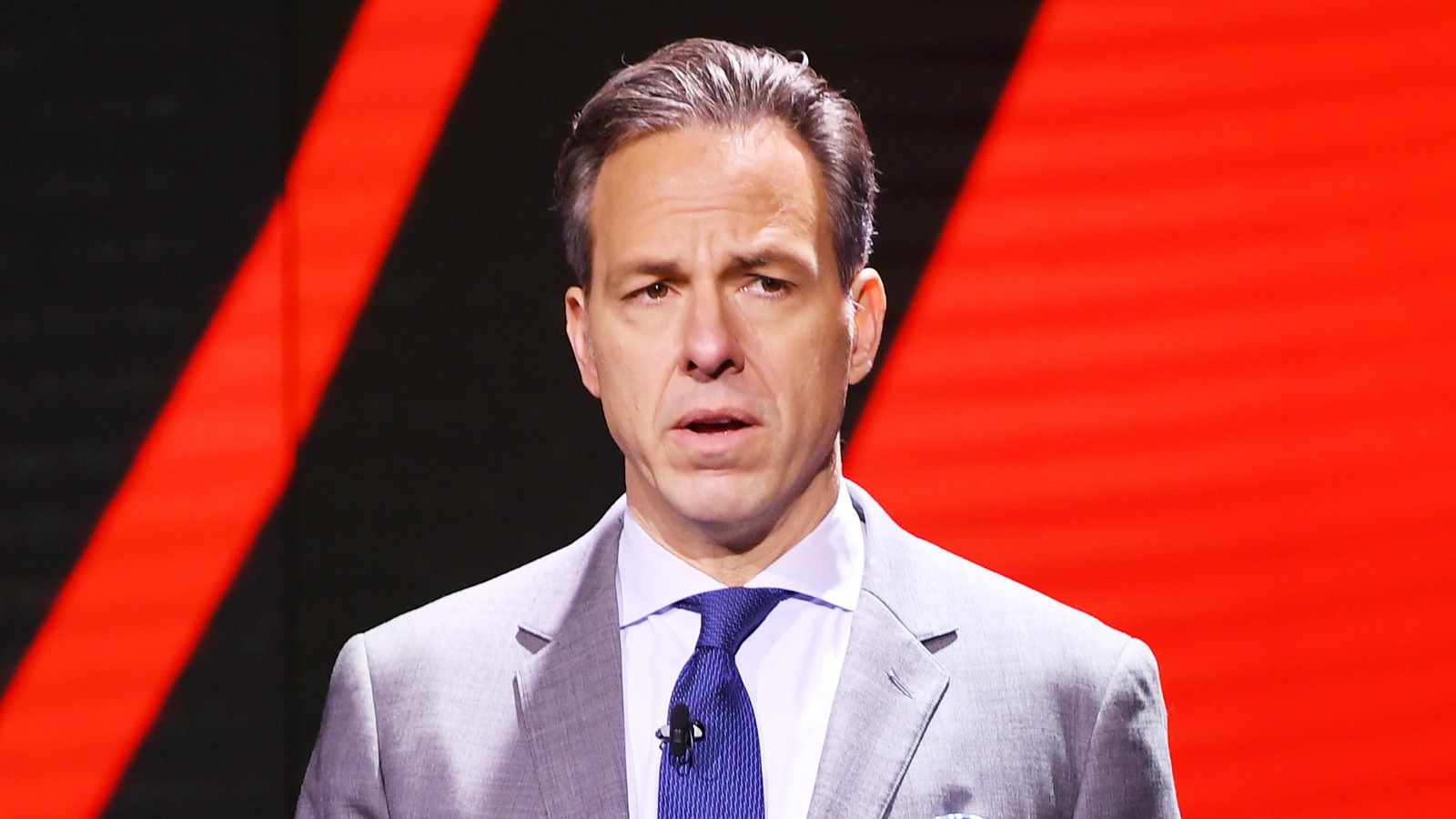
Jake Tapper's Toughest Grills: The Interviews That Defined a Decade
Hey there, news junkies! Ever find yourself yelling at the TV during a political interview, wishing the interviewer would just ask therealquestions? We've all been there. It's like watching a tennis match where one player is politely lobbing softballs while the other is trying to win Wimbledon. Luckily, we have journalists like Jake Tapper who aren't afraid to bring the heat.
The Art of the Political Interview: Jake Tapper's Masterclass
Jake Tapper, CNN's lead Washington anchor, is known for his no-nonsense approach and his ability to cut through the political spin. He doesn't just ask questions; he interrogates. He's the guy who shows up to the polite tennis match with a bazooka (metaphorically speaking, of course… unless?). He's made a career out of holding politicians accountable, and his interviews are often the most talked-about moments in cable news.
But what makes a Jake Tapper interview so memorable? Is it the perfectly timed follow-up questions? The unwavering commitment to facts? Or is it just the sheer awkwardness of watching a politician squirm under his relentless questioning? Whatever the secret sauce, Tapper's interviews have become legendary, defining (and sometimes derailing) political careers. Today, we're diving into some of his most iconic showdowns, the interviews that cemented his reputation as one of the toughest questioners in the business. We’re going to explore the moments that made us gasp, cheer, and maybe even feel a little sorry for the interviewee (just a little!).
So, grab your popcorn, settle in, and prepare to relive some of the most intense and revealing moments in recent political history. Because let's be honest, who doesn't love watching a politician sweat? Let’s get started!
Delving into the Defining Interviews
Alright, friends, let's jump right into the heart of the matter. We're not just going to list interviews; we're going to dissect them, analyze them, and understand why they resonated so deeply.
-
The Trump Era: Navigating a Minefield of Misinformation
Let's be real, interviewing anyone from the Trump administration was like walking through a minefield. Every sentence was potentially explosive, every claim needed to be fact-checked in real-time. Tapper often found himself in the unenviable position of trying to get straight answers from individuals who seemed allergic to them.
Remember that time when Tapper interviewed Kellyanne Conway about… well, honestly, who even rememberswhatthe topic was? The point is, Conway's penchant for "alternative facts" was on full display, and Tapper expertly challenged her at every turn. He didn't let her deflect, he didn't let her change the subject, and he certainly didn't let her get away with spreading misinformation. It was a masterclass in journalistic integrity, even if it felt like watching someone argue with a brick wall.
The key here was Tapper's commitment to the truth. He didn't just point out inaccuracies; he provided context, he cited sources, and he made it clear to the viewers why what Conway was saying was false or misleading. It wasn't just about winning the argument; it was about informing the public.
-
The 2020 Election Aftermath: Holding the Line on Democracy
The aftermath of the 2020 election was a chaotic period filled with conspiracy theories, baseless accusations, and a general assault on the foundations of American democracy. Tapper found himself on the front lines, interviewing politicians who were either actively promoting these dangerous narratives or passively enabling them.
One particularly memorable interview involved a Republican congressman who refused to acknowledge the legitimacy of the election results. Tapper didn't shout, he didn't interrupt, but he relentlessly pressed the congressman on his claims, demanding evidence and challenging his logic. He calmly but firmly dismantled the congressman's arguments, exposing the lack of any credible basis for his assertions.
What made this interview so powerful was Tapper's unwavering commitment to the truth and his defense of democratic institutions. He understood that the stakes were incredibly high, and he used his platform to push back against the disinformation that was threatening to undermine the election results.
-
The January 6th Insurrection: Seeking Accountability
The January 6th insurrection was a horrific day in American history, and the interviews that followed were crucial for understanding what happened and holding those responsible accountable. Tapper played a vital role in this process, conducting tough interviews with lawmakers who had supported the "Stop the Steal" movement and who were accused of inciting the violence.
In one particularly tense interview, Tapper questioned a senator about his role in spreading false claims about election fraud. The senator attempted to deflect and downplay his involvement, but Tapper wouldn't let him off the hook. He presented the senator with his own words, his own tweets, and his own actions, forcing him to confront the consequences of his behavior.
This interview was a powerful example of how journalism can hold power accountable. Tapper didn't just ask questions; he presented evidence, he challenged narratives, and he demanded answers. He showed that even in the face of political pressure, it's possible to hold those who have abused their power responsible.
-
Beyond the Headlines: Humanizing the Political Landscape
While Tapper is known for his tough questioning, he's also capable of conducting insightful and empathetic interviews that go beyond the headlines. He understands that behind every political issue, there are real people with real stories, and he strives to bring those stories to light.
One example is his interview with a group of voters in a swing state during the 2020 election. He didn't just ask them about their political preferences; he asked them about their lives, their hopes, and their fears. He listened to their concerns, he acknowledged their struggles, and he gave them a platform to share their perspectives.
This interview was a reminder that politics is ultimately about people. It's about the decisions that affect our lives, our families, and our communities. Tapper's ability to connect with people on a human level is what makes him such a compelling interviewer.
Decoding Tapper's Interview Tactics
So, what are the specific techniques that Tapper uses to conduct such effective interviews? It's not just about being aggressive or confrontational; it's about being prepared, informed, and strategic.
-
Mastering the Art of the Follow-Up
One of Tapper's greatest strengths is his ability to ask incisive follow-up questions. He doesn't just accept vague answers or political talking points; he digs deeper, he challenges assumptions, and he demands specifics.
He listens carefully to what the interviewee is saying (and not saying), and he uses that information to formulate his next question. He's like a chess player, always thinking several moves ahead. He anticipates the interviewee's defenses and prepares his counterattacks accordingly.
-
Fact-Checking in Real-Time
In today's media landscape, where misinformation spreads like wildfire, fact-checking is more important than ever. Tapper understands this, and he's not afraid to call out falsehoods and inaccuracies in real-time.
He has a team of researchers who work behind the scenes to verify the claims made by his interviewees. If someone says something that's not true, Tapper will immediately challenge them with the correct information. He doesn't let lies go unchallenged, and he doesn't allow his platform to be used to spread misinformation.
-
Maintaining a Calm and Professional Demeanor
Even when he's asking tough questions, Tapper maintains a calm and professional demeanor. He doesn't yell, he doesn't interrupt, and he doesn't get personal. He understands that the goal is to elicit information, not to engage in a shouting match.
His calm demeanor can be disarming, especially for interviewees who are used to dealing with more aggressive or confrontational journalists. It allows him to maintain control of the interview and to ask the questions that need to be asked without being accused of being biased or unfair.
-
Holding Power Accountable
Ultimately, what makes Tapper's interviews so memorable is his commitment to holding power accountable. He believes that journalists have a responsibility to question those in positions of authority and to demand answers from them.
He doesn't care about political affiliations or personal relationships. He's willing to ask tough questions of anyone, regardless of their party or position. His loyalty is to the truth and to the public, and he's not afraid to challenge those who abuse their power or betray the public trust.
Tapper's Impact on Political Journalism
Jake Tapper's work has had a significant impact on political journalism. He's raised the bar for accountability, he's challenged the norms of political interviewing, and he's inspired a new generation of journalists to ask tough questions and demand answers.
He's shown that it's possible to be both tough and fair, both skeptical and empathetic. He's demonstrated that journalism can be a force for good, that it can hold power accountable, and that it can inform and empower the public. His legacy will be felt for years to come.
Frequently Asked Questions About Jake Tapper's Interviews
Let's tackle some common questions about Jake Tapper and his approach to political interviews.
-
What is Jake Tapper's interviewing style?
Jake Tapper is known for his direct, fact-based interviewing style. He is well-prepared, asks pointed questions, and challenges inconsistencies or misleading statements made by his interviewees. He aims to hold politicians accountable and provide viewers with clear, accurate information.
-
How does Jake Tapper prepare for his interviews?
Tapper and his team conduct thorough research on the interviewee and the topics to be discussed. They gather facts, review past statements, and anticipate potential responses. This preparation allows Tapper to ask informed questions and effectively challenge any misinformation or evasiveness.
-
What makes Jake Tapper's interviews different from other political interviews?
Tapper's interviews stand out due to his commitment to facts, his persistence in seeking answers, and his ability to remain calm and professional while asking tough questions. He doesn't shy away from difficult topics and is willing to challenge powerful figures, making his interviews particularly insightful and impactful.
-
What are some common criticisms of Jake Tapper's interviewing style?
Some critics argue that Tapper can be overly aggressive or biased in his questioning, particularly towards certain political figures or parties. Others appreciate his directness and see it as a necessary approach to holding those in power accountable.
Alright, folks, that's a wrap! We've journeyed through some of Jake Tapper's most memorable interviews, dissected his tactics, and explored his impact on political journalism. Hopefully, you've gained a new appreciation for the art of the political interview and the importance of holding those in power accountable.
Now, here's your call to action: Go out there and be an informed citizen! Watch the news, read different perspectives, and don't be afraid to ask questions. Because in a world of spin and misinformation, it's more important than ever to be engaged and informed.
Remember, a well-informed citizenry is the cornerstone of a healthy democracy. So, keep learning, keep questioning, and keep demanding the truth! And who knows, maybe one day you'll be the one asking the tough questions. Until then, stay curious, stay engaged, and stay informed!
What are some interviews that you found particularly enlightening or impactful?

Post a Comment for "Jake Tapper’s Most Memorable Political Interviews"
Post a Comment