"It's Bad": Eye Doctor Warns About Habit Harming Vision
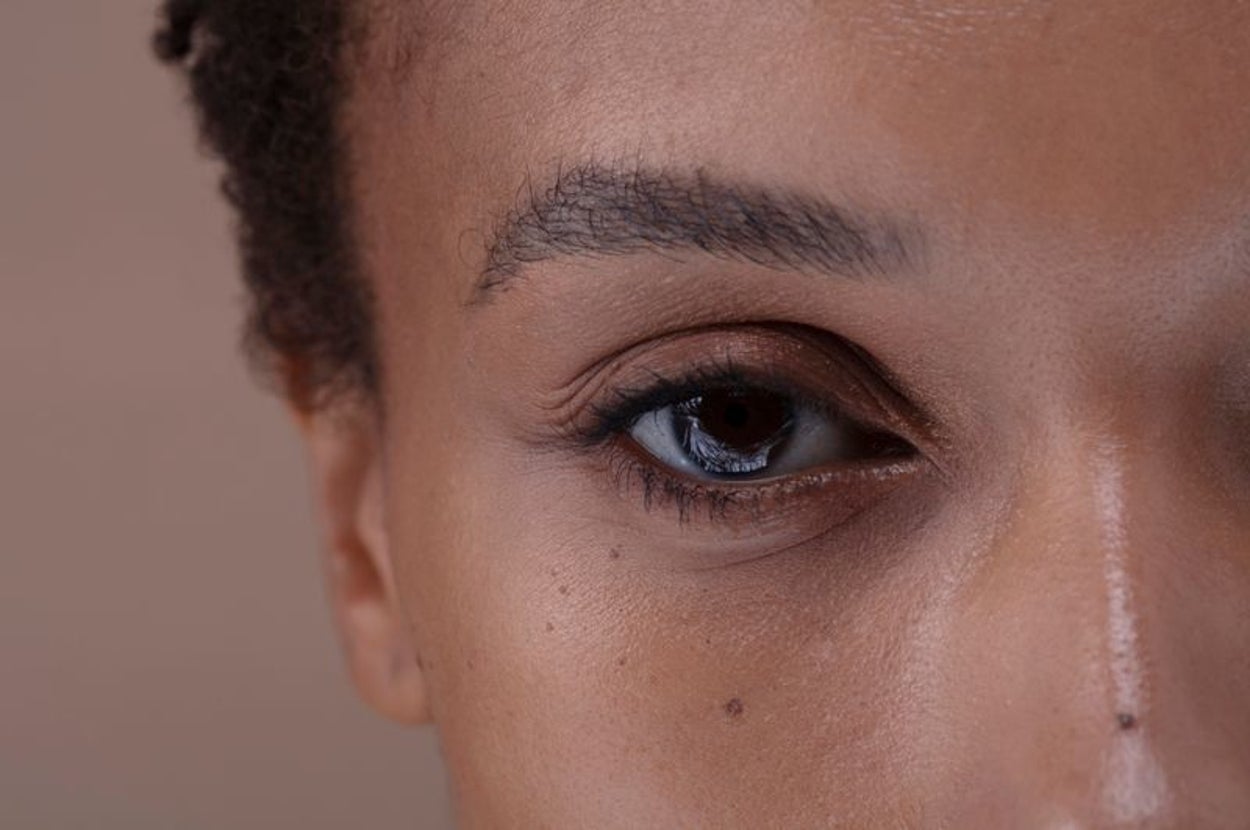
The Importance of Eye Health
The human eye is an incredible organ, often considered the most complex in the body after the brain. It contains over 2 million working parts and plays a vital role in our daily lives. Approximately 80% of all learning occurs through vision, making it essential to maintain good eye health. But how can we ensure our eyes stay in optimal condition? And what should we avoid doing to keep them as healthy as possible?
To find out, we spoke with Dr. Amanda Redfern, an ophthalmologist and assistant professor at Oregon Health & Science University’s Casey Eye Institute. She shared some critical advice on eye care, including common mistakes people make and how to prevent serious complications.
The Dangers of Wearing Contact Lenses While Sleeping
One of the biggest warnings Dr. Redfern gave was about sleeping with contact lenses in the eyes. “Sleeping with contact lenses is bad. It’s really bad. Don’t do it,” she said, adding that this includes even short naps. “It’s like a game of Russian roulette.”
The reason for this warning is that wearing contacts while sleeping can lead to a corneal ulcer — an infection on part of the eye that a contact lens covers. “It’s not going to happen every time, but when it does, it’s terrible,” she explained. “In severe cases, it could even lead to losing your eyeball.”
Even less severe cases can result in scarring on the cornea. If the scar is in the center of the vision, it could cause permanent vision loss unless a corneal transplant is performed.
Avoiding Contaminated Environments
Dr. Redfern also warned against any activities that might compromise or contaminate contact lenses. This includes swimming in pools or lakes while wearing contacts, as well as showering with them. “The problem with contact lenses is that they can trap bacteria between the lens and your cornea, leading to infections and other complications,” she said. “We generally discourage anything that exposes your eye to nonsterile environments.”
This includes using tap water to rinse or store contact lenses. “Tap water isn’t sterile, and it can introduce harmful microorganisms into your eyes,” she emphasized.
If someone forgets their contact lens solution while on vacation, Dr. Redfern advised against either sleeping with the lenses or using tap water to store them. “Both are awful options,” she said. “I’d rather you throw the contacts away and just deal with blurry vision for a few days.”
Protecting Your Eyes from Injury
Another key piece of advice from Dr. Redfern is to use eye protection regularly. “I always wear eye protection when doing house projects involving hammering or sawing,” she said. “Something can easily fly into your eye, and I see a lot of trauma cases in the hospital.”
If something gets lodged in the eye, she strongly advises against trying to remove it yourself. Instead, cover the eye with a paper cup and seek immediate medical attention. “Pulling it out in an uncontrolled way could cause the inner contents of the eye to come out with it,” she warned.
Debunking Common Myths
Dr. Redfern also addressed several myths about eye health. For example, reading in the dark won’t ruin your vision, and floaters are usually harmless unless they suddenly increase in number or are accompanied by flashes of light. In such cases, she recommends seeing a doctor immediately.
She also discussed why we get floaters and when it’s necessary to seek professional help.
Final Tips for Healthy Eyes
In summary, maintaining healthy eyes involves avoiding risky behaviors like sleeping with contacts, staying away from contaminated environments, using proper eye protection, and seeking medical attention when needed. By following these guidelines, you can significantly reduce the risk of eye-related complications and enjoy clear, healthy vision for years to come.

Post a Comment for ""It's Bad": Eye Doctor Warns About Habit Harming Vision"
Post a Comment