Israel's Frustration Over Gaza War Sparks Nationwide Protests
Growing Frustration and Protests in Israel Over Hostage Situation
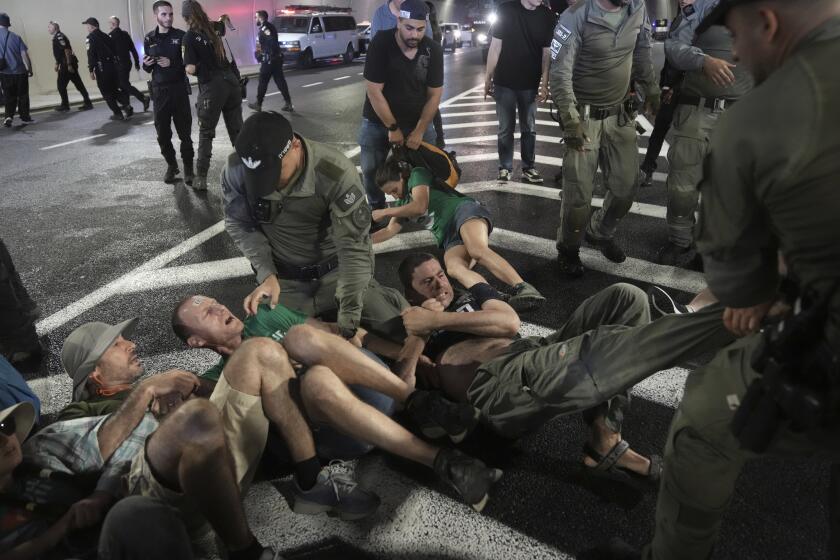
Protesters in Israel have taken to the streets in one of the largest demonstrations in 22 months of conflict, demanding a deal to free hostages held in Gaza. The protests, which occurred on Sunday, saw participants attempt to shut down the country, with police using water cannons and arresting dozens of people. Organizers, representing families of the hostages, estimated that hundreds of thousands took part in the demonstrations.
The frustration among Israelis is growing over plans for a new military offensive in densely populated areas of Gaza. Many fear that this could further endanger the remaining hostages, with only 20 of the 50 still believed to be alive. Yehuda Cohen, whose son Nimrod is being held in Gaza, expressed his anger, stating, “We live between a terrorist organization that holds our children and a government that refuses to release them for political reasons.”
Even former Israeli army and intelligence chiefs are now calling for a deal to end the fighting. Protesters in Jerusalem chanted, “We don’t win a war over the bodies of hostages.” Demonstrations took place at multiple locations, including outside politicians’ homes, military headquarters, and major highways. Some protesters blocked lanes and lit bonfires, while restaurants and theaters closed in solidarity. Police reported arresting 38 individuals during the events.
At a demonstration in Tel Aviv, former hostage Arbel Yehoud emphasized the urgency of the situation, saying, “The only way to bring [hostages] back is through a deal, all at once, without games.” Her boyfriend, Ariel Cunio, remains in Hamas custody. One protester carried a photo of an emaciated Palestinian child from Gaza, a rare sight at Israeli protests but increasingly common as outrage grows over the hunger crisis in the region.
Rising Concerns Over Humanitarian Crisis in Gaza
The humanitarian situation in Gaza continues to deteriorate, with more than 250 deaths linked to malnutrition, including over 100 children. The United Nations has warned that levels of starvation and malnutrition are at their highest since the war began. Most aid has been blocked from entering Gaza since Israel imposed a total blockade in March after ending a ceasefire. Deliveries have partially resumed, but aid organizations say the flow is far below what is needed.
Hospitals and witnesses in Gaza reported that Israeli forces killed at least 17 aid-seekers on Sunday, including nine waiting for United Nations aid trucks near the Morag corridor. Hamza Asfour, who was awaiting a convoy, described the violence: “It's either to take this risk or wait and see my family die of starvation.” Despite claims by the Gaza Humanitarian Foundation that there was no gunfire at or near its sites, the situation remains dire for those in need of assistance.
Political Tensions and Military Actions
Israeli Prime Minister Benjamin Netanyahu faces mounting pressure as he balances competing interests within his coalition. He has warned that calls for an end to the war without defeating Hamas could lead to further violence. “Those who today call for an end to the war without defeating Hamas are not only hardening Hamas’ position and delaying the release of our hostages, they are also ensuring that the horrors of Oct. 7 will be repeated,” he said, referencing the 2023 attack that killed over 1,200 people.
The last time Israel agreed to a ceasefire that released hostages earlier this year, far-right members of his Cabinet threatened to topple Netanyahu’s government. Finance Minister Bezalel Smotrich criticized the protests, calling them “a bad and harmful campaign that plays into Hamas’ hands.” The new offensive would require the call-up of thousands of reservists, adding to concerns among many Israelis.
Escalating Conflict in Gaza and Beyond
Israel’s military actions have displaced most of Gaza’s population and resulted in over 61,900 deaths, according to the Gaza Health Ministry. While the ministry does not specify how many were fighters or civilians, it states that about half were women and children. Two children and five adults died of malnutrition-related causes on Sunday, highlighting the ongoing crisis.
Despite efforts to create “safe zones” for displaced Gazans, these areas have also been bombed during the war. War-weary Palestinians have refused to leave, insisting there is “no safe place” in Gaza. Raghda Abu Dhaher, who has been displaced 10 times, said, “There are no humanitarian zones at all.”
Meanwhile, Israeli airstrikes hit Yemen’s capital, Sanaa, escalating tensions with Iran-backed Houthi rebels. The Houthis claimed to have targeted Israel’s Ben Gurion Airport, while Israel’s military intercepted another missile. This marks a continued escalation in regional hostilities.

Post a Comment for "Israel's Frustration Over Gaza War Sparks Nationwide Protests"
Post a Comment