Israel's Biggest Threat: Its Own Government
A Call for Accountability and Change
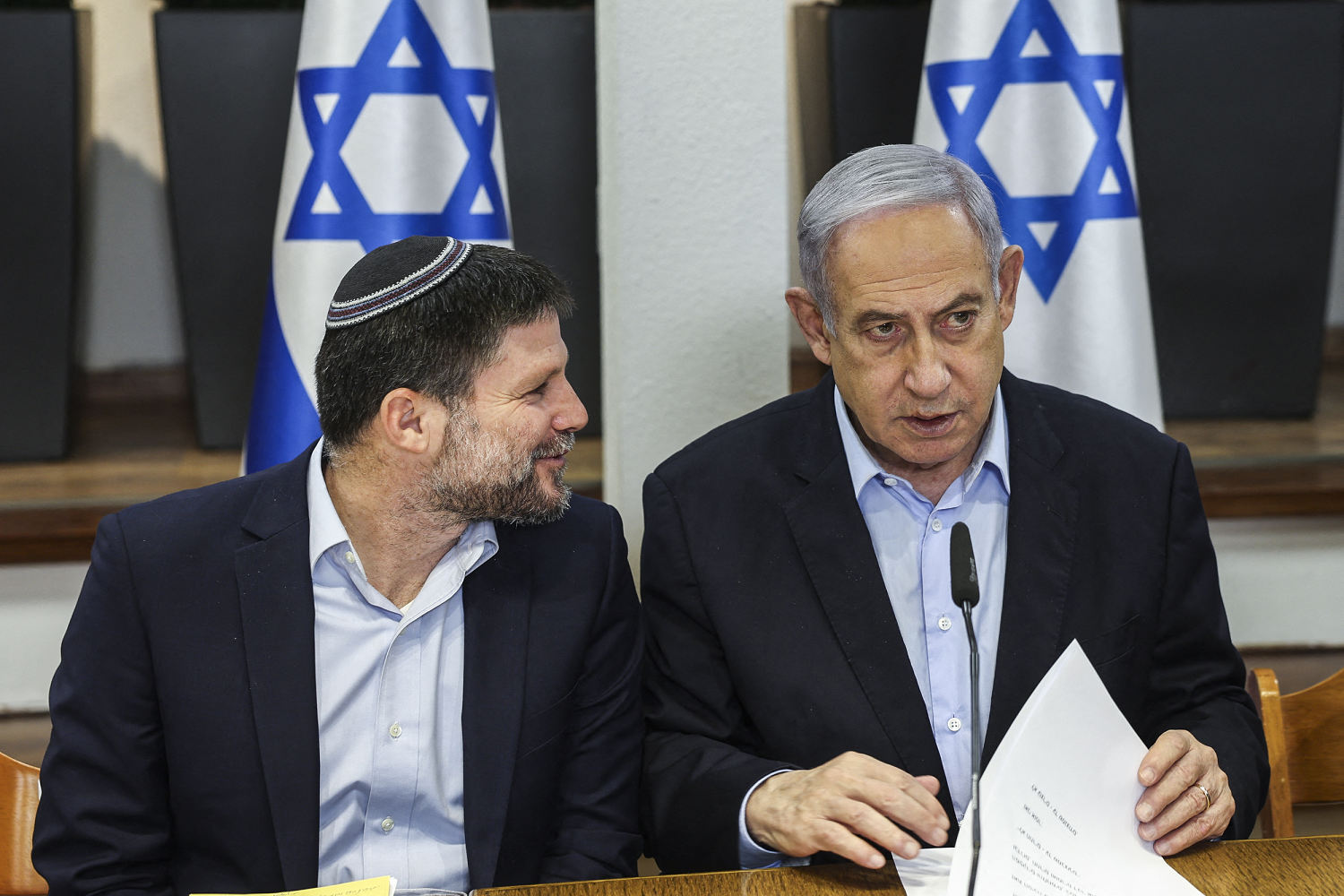
The actions of the Israeli government under Prime Minister Benjamin Netanyahu during the war in Gaza have left a lasting and damaging mark on history. For those who support Israel, including myself, it is time to confront the reality of what has transpired and demand change. Israel has a right to exist and defend itself, but that right must be balanced with a commitment to peace, justice, and the preservation of its democratic values.
It is no longer acceptable for staunch supporters of Israel, particularly in the United States, to ignore or downplay the devastating impact of the conflict on Gaza’s civilian population. The continued destruction and suffering are not justifiable under any circumstances. For Israel’s long-term security and moral standing, this war must end immediately, and it is the responsibility of its supporters to push for an end to the violence.
The Reality of the Conflict
The situation in Gaza is dire, with widespread starvation and famine being reported. Many believe that this is not an unintended consequence but a deliberate strategy. Officials like Amichay Eliyahu, head of Israel’s Heritage Ministry, have suggested that the government is actively driving out the population, stating, “There is no nation that feeds its enemies.” This rhetoric is both chilling and indicative of a deeper problem.
Supporters of the war often argue that if Hamas releases the hostages, the humanitarian crisis will end. However, this line of thinking ignores the broader context. Many within the Israeli government, including far-right figures, have openly expressed a desire for a Gaza without Gazans — a clear indication of ethnic cleansing. Recent statements by Finance Minister Bezalel Smotrich suggest that the government is moving toward the annexation of Gaza, which could lead to further displacement and suffering.
The Cost of Continued Conflict
Netanyahu has had multiple opportunities to negotiate a deal and bring the hostages home, yet he has consistently chosen to prolong the war. Meanwhile, the families of the hostages are ignored, denied access to the Knesset, and even attacked by some of Netanyahu’s supporters. This disregard for human life and the well-being of citizens is unacceptable.
While Israel was justified in retaliating after the October 7 attacks, the current approach has led to indiscriminate civilian casualties, the destruction of infrastructure, and a manmade famine. These actions cannot be rationalized as necessary for security. Instead, they have placed Israel on the brink of international isolation, with many allies questioning their support.
Changing Perceptions and International Response
Public opinion in the United States is shifting. A recent Gallup poll showed that 60% of Americans disapprove of Israel’s military operation in Gaza, while only 32% support it. Some lawmakers are even considering cutting off defensive weapons transfers to Israel. While some may dismiss international criticism as biased, it is important to recognize that even longtime allies like France and the United Kingdom are now considering recognizing a Palestinian state, partly in response to the ongoing conflict.
This shift highlights the growing recognition that Israel faces a critical choice: continue down a path of occupation and conflict, or seek a future based on democracy, rule of law, and peaceful coexistence. The latter option, though flawed, offers a more sustainable and morally defensible path forward.
Voices of Conscience
Even within Israel, there are voices calling for accountability. Former Prime Minister Ehud Olmert, once a staunch supporter of settlement expansion, has criticized the current government’s actions, calling them war crimes. He has also condemned the violence committed by extremist settler groups in the West Bank.
Additionally, reports from Israeli human rights organizations like B’Tselem have highlighted the scale of the displacement and the destruction of Palestinian identity. These findings are met with denial from the Israeli government, but they cannot be ignored.
A Moment for Action
If someone had told us on October 8, 2023, that nearly two years later, over 60,000 Palestinians would be dead, Israel would be alienated from its allies, and Hamas would still hold Israeli hostages, we would not have called it a “total victory.” It is time for Israel’s supporters to speak out, demand accountability, and work toward a lasting peace. The time for action is now.

Post a Comment for "Israel's Biggest Threat: Its Own Government"
Post a Comment