Israelis protest as strikes demand hostage release and end to war
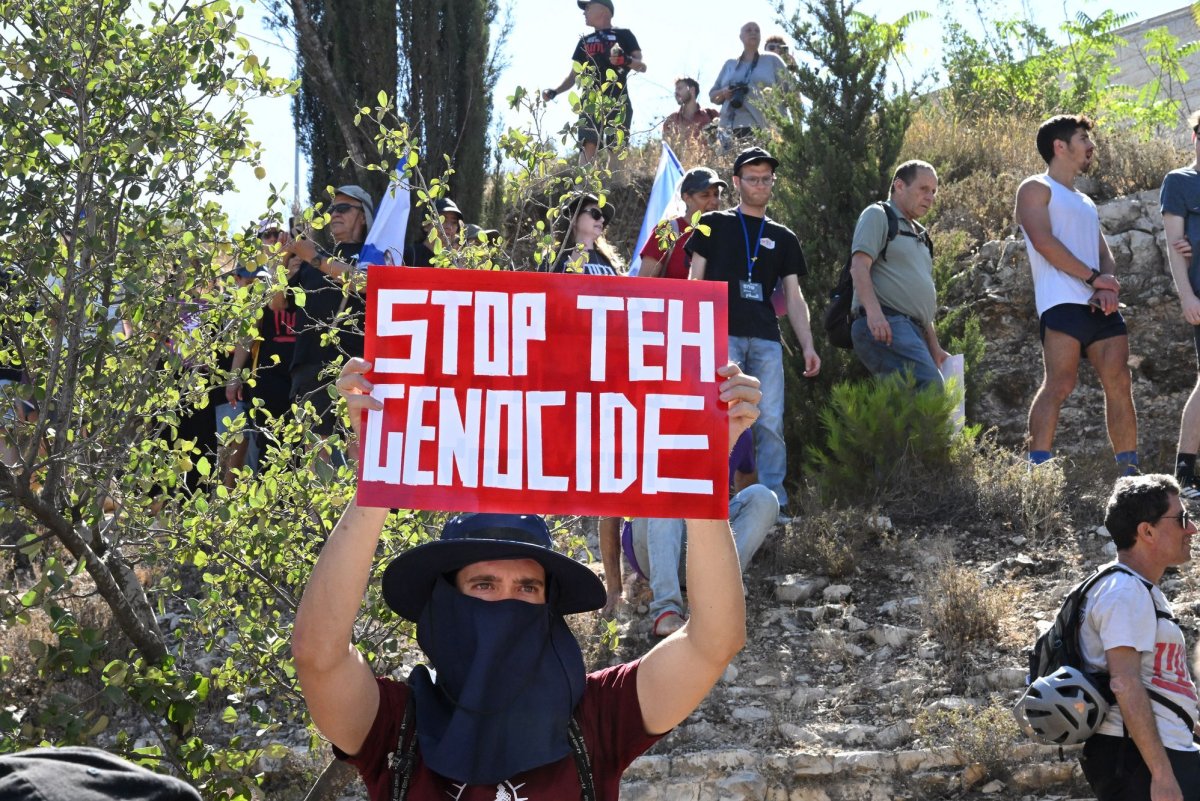
Nationwide Strike in Israel Over Hostage Crisis
A nationwide strike took place in Israel on Sunday, with several hundred thousand people participating in protests across the country. The demonstrations were aimed at urging the government to secure the release of 50 hostages held by the militant group Hamas in Gaza. The protest was organized by the Hostages and Missing Families Forum and the October Council, which represents family members of hostages or relatives of those killed.
The councils called for nearly one million people to gather at Hostages Square in Tel Aviv, with additional activities taking place in cities throughout the nation. The event emphasized a unified message of solidarity and urgency. "Today, we stop everything to remember the supreme value of the sanctity of life," said Anat Angrest, mother of hostage Matan Angrest, at Hostage Square. She added, "Today, we stop everything to join hands—right, left, center and everything in between."
Major Demonstrations in Key Cities
The largest demonstrations occurred in Jerusalem and Tel Aviv, where protesters blocked major roads and closed businesses. They distributed yellow ribbons at intersections and staged protests outside the homes of government ministers. These protests marked some of the most significant gatherings since the war began on Oct. 7, 2023. The demonstrations started at 6:29 a.m., the exact time when Hamas launched its attack on Israel.
Israeli police reported that 38 protesters were arrested for disturbing the peace as of early Sunday afternoon. They used a water cannon to disperse a crowd that had gathered inside a tunnel along a road leading to Jerusalem. Families of hostages announced an "emergency break" until the hostages are released, emphasizing the urgency of the situation.
Political Responses and Public Support
Anat Engrest, whose son, Matan, is held hostage in Gaza, addressed the public during a news conference with the October Council. "Today, we stop everything to save the lives of 50 hostages and soldiers," she said. "Today, we stop everything to remember the supreme value of the sanctity of life."
Israeli President Isaac Herzog visited Hostage Square in Tel Aviv and voiced his support for the families. "We want them back home as soon as possible," he stated. He urged the international community to demand Hamas's compliance. "Press and tell Hamas, 'No deal, no nothing, until you release them.'"
Prime Minister Benjamin Netanyahu criticized the demonstrations, calling them a "cynical political maneuver on the backs of the hostages." He warned that ending the war without defeating Hamas would only lead to further violence. Itamar Ben Gvir, the far-right Minister of National Security, echoed this sentiment, stating that the protests undermined the government’s efforts.
Calls for a Comprehensive Deal
The Hostages and Missing Families Forum emphasized that the government could not avoid responsibility. They plan to set up an encampment on the Gaza border called "Waypoint 50," representing the 50 hostages. "The only way to bring them back is through a deal, all at once, without games," said Arbel Yehoud, a released hostage whose boyfriend is still held captive.
Vicky Cohen, whose son is a hostage, called for the Israeli government to present a comprehensive proposal for a deal. "It's time to end the horrific nightmare the entire country has been living in for 22 months," she said. The group demanded a clear, actionable plan rather than vague slogans or ineffective actions.
Broader Participation and Impact
Histadrut, Israel's largest labor organization, did not officially join the strike but encouraged employers to allow workers to participate. "If I knew that a strike... would end the matter, stop the war and bring back the hostages, I would go for it with full force," said Histadrut chair Arnon Bar-David. However, he acknowledged that the strike lacked practical outcomes.
Technology companies, law firms, academic institutions, and others in the public and private sector planned to take the day off or refrain from business transactions. The strike was announced after the security cabinet voted to expand the war and take over Gaza City, raising concerns about the safety of the hostages.
Ongoing Ceasefire Efforts
There was a cease-fire between Jan. 19 and March 1, during which 25 Israeli hostages and 1,737 Palestinian prisoners were released. Israeli officials believe 20 hostages are still alive. In late March, Hamas agreed to release five hostages, including Edan Alexander, as part of a 50-day cease-fire proposal from Egypt and Qatar. Alexander was released in May, but no cease-fire followed.
A 60-day ceasefire was later proposed by the United States. In July, the last round of negotiations ended without a deal when Israel and the U.S. withdrew their teams from Doha, Qatar, accusing Hamas of not negotiating in good faith.

Post a Comment for "Israelis protest as strikes demand hostage release and end to war"
Post a Comment