Is the Weighted Vest Trend Worth It for Midlife Women? Science Reveals All
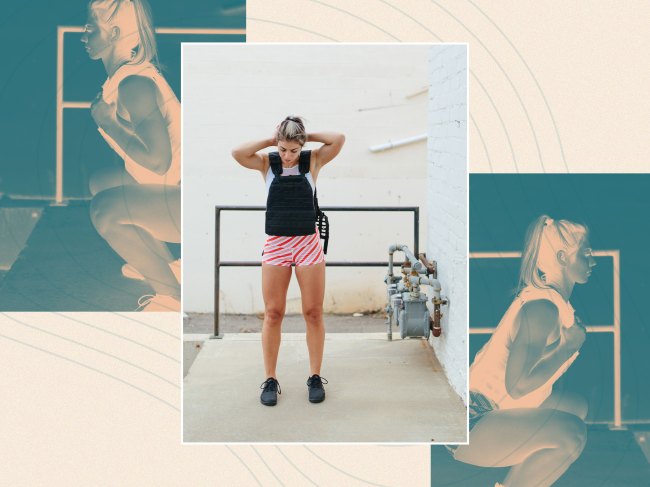
The Role of Weighted Vests in Healthy Aging
Exercise is a fundamental component of healthy aging, as it helps reduce the risk of various health issues that can impact both the length and quality of life. While the term "weighted vest" might bring to mind images of athletes or military personnel, these fitness accessories have gained popularity among a wide range of individuals, including runners, walkers, and weightlifters. They are often praised for their potential benefits to cardiovascular and musculoskeletal health. Let's explore how weighted vests function and their implications for overall well-being.
How Weighted Vests Work
According to Dr. Wiemi Douoguih, an orthopedic surgeon and director of sports medicine at MedStar Washington Hospital Center, weighted vests offer several potential health benefits, although some of these are not yet fully defined. The primary concept behind using a weighted vest is to increase the intensity of physical activity by adding resistance.
Roger A. Fielding, PhD, a senior scientist and exercise physiology researcher at the U.S.D.A. Human Nutrition Research Center on Aging at Tufts University, explains that when someone exercises with a weighted vest, they are effectively increasing the load their body must carry. This additional weight leads to higher energy expenditure, increased respiration, and elevated heart rate, all of which can contribute to improved heart health and enhanced endurance.
However, while the mechanics of weighted vests seem straightforward, connecting their use to significant benefits in specific areas remains challenging. Many studies examining the effects of weighted vests are small and do not consider factors such as the weight of the vest, the type of activity performed, or the frequency and duration of use.
Benefits for Midlife Women
For midlife women, maintaining muscle mass through strength training is particularly important. Weighted vests can make workouts more intense, and some small studies suggest they may help improve muscle mass. Dr. Douoguih notes that there appears to be a link between using a weighted vest and improved force generation and a better lean body mass profile, meaning a higher ratio of muscle to fat.
However, Fielding emphasizes that a weighted vest alone is unlikely to replace the benefits of traditional strength training. Instead, they should be used as a supplement rather than a replacement.
Impact on Bone Health
Bone density is a major concern for midlife women due to the decline in estrogen levels, which accelerates bone loss and increases the risk of osteoporosis. Exercise has been shown to strengthen bones, but whether using a weighted vest translates to stronger, denser bones is still unclear.
Some studies suggest that weighted vests may lead to encouraging increases in bone mass, especially in postmenopausal women. Dr. Douoguih points out that research indicates improvements in force generation, muscular force production, and in some cases, bone mass, particularly in the femoral head.
Despite these findings, Fielding highlights the need for more extensive, long-term studies to confirm these benefits. He states that while it’s logical to think that wearing a weighted vest could add stress to the skeleton and help maintain bone density, there is currently insufficient evidence to make definitive claims.
Conclusion
Overall, experts agree that weighted vests can add difficulty to workouts and may offer some additional benefits. If wearing a weighted vest motivates someone to exercise more, it is generally considered safe and potentially beneficial. As research continues, the role of weighted vests in promoting healthy aging will become clearer.

Post a Comment for "Is the Weighted Vest Trend Worth It for Midlife Women? Science Reveals All"
Post a Comment