Is UV Light Safe for Cleaning Small Electronics?
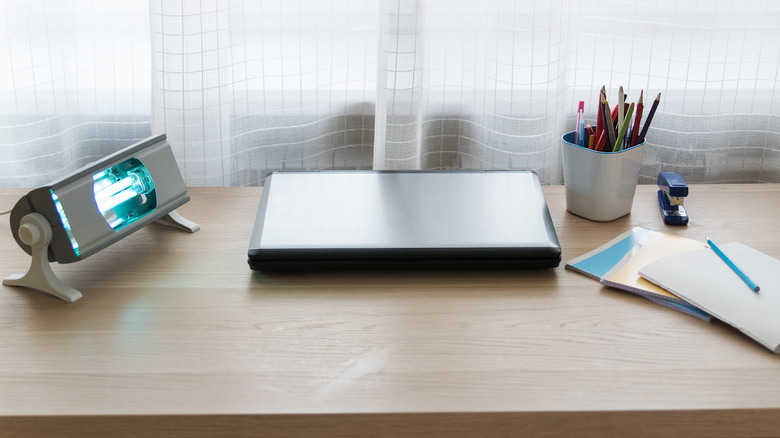
Understanding the Need for Sanitizing Electronics
Our phones, tablets, laptops, and remote controls are among the most frequently touched items in our daily lives. These devices can accumulate a significant amount of bacteria, especially if someone in the household has recently been sick. This raises questions about which electronics should be sanitized after an illness, whether these items are still contagious, and how to clean them effectively.
One method that has gained popularity is the use of UVC light sanitizers. These devices are particularly useful in households with multiple people or those sharing a home with someone who has a weakened immune system. However, it’s important to choose well-designed products and only use them when there's a genuine need for thorough sanitization at home. For most individuals, wiping down electronics with alcohol wipes remains a more affordable and reliable option.
The Rise of UVC Light Sanitizers
UVC light has been used for decades in treating water, air, and medical equipment. Its popularity for personal use surged during the coronavirus pandemic, as people became more conscious of cleanliness and germs in their homes. Many brands introduced UVC light sanitizers alongside other smart tech solutions aimed at improving home hygiene. These devices have remained popular, often available as wands, boxes, or lamps.
How UVC Light Works
UVC light is unique because it cannot penetrate the ozone layer, making it ideal for targeted sanitization. It works by penetrating the genetic material of germs and viruses, disrupting their ability to reproduce. While it has proven effective in professional settings, studies on its effectiveness in home environments have shown mixed results.
UVC light is most effective on flat, nonporous surfaces such as phone screens, tablet cases, and laptop exteriors. At-home devices may not be as powerful as those used in healthcare settings, but research from the National Library of Medicine in 2023 suggests that well-designed handheld devices can still be effective. Key factors include the correct ultraviolet wavelengths, adequate coverage, sufficient exposure time, and built-in safety features.
Safety Considerations
A common concern is whether UVC light poses similar risks to sunlight, such as sunburns or eye damage. Direct exposure to UVC light can cause severe burns and temporary eye injuries, so it’s crucial never to look directly into it. To minimize risk, it’s recommended to choose a UVC light sanitizer in a box format. These devices typically activate only when closed and shut off automatically when opened, limiting exposure. Some models even double as phone chargers, adding convenience.
Cost and Practicality
UVC light sanitizing boxes vary in price. A small box that fits just a phone might cost around $30, while one with charging capabilities could exceed $80. Larger boxes for additional items may cost closer to $200. Considering this expense, it’s wise to invest in a UVC sanitizer only if your home environment truly requires it.
For most households, especially those where only one person uses the devices, regular cleaning with alcohol wipes is often sufficient. If you're concerned about how to properly clean your phone, tablet, or laptop, a quick wipe-down with alcohol wipes is usually enough. If you do decide to purchase a UVC light sanitizer, ensure you thoroughly research the product, especially if it seems too good to be true.

Post a Comment for "Is UV Light Safe for Cleaning Small Electronics?"
Post a Comment