Is Hemp Insulation the Future of Sustainable Building?
The Rise of Hemp Insulation: A Sustainable Solution
Hemp has emerged as a promising alternative in the world of construction and insulation. Known for its versatility, sustainability, and eco-friendly properties, hemp is gaining traction as a viable replacement for traditional materials like fiberglass and foam. Since 2018, the market for hemp products has seen significant growth, reaching a value of $252 million within just five years. Despite this progress, hemp has long been overshadowed by other materials in industries such as textiles, paper, and construction.
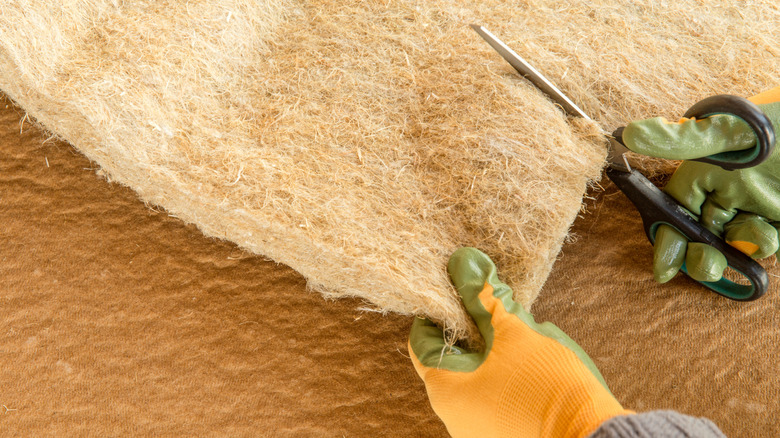
This shift in perception can be attributed to the plant's relationship with Cannabis sativa, which includes plants cultivated for medicinal and recreational use. However, unlike these related species, hemp stalks do not contain psychoactive compounds. Instead, they offer a range of useful applications, including natural fibrous insulation panels that serve as an eco-friendly alternative to expanding foam. Research suggests that hemp is highly energy-efficient and can perform as effectively as fiberglass and foam insulation.
While the long-term effectiveness and sound-reduction qualities of hemp insulation are still under study, the United States Department of Energy recognizes it as a legitimate insulation material. It notes that hemp insulation has an R-value comparable to other fibrous insulations. However, it is not yet widely used in the U.S. Experts believe that the market will continue to grow, especially as new research and development address concerns like legal compliance, production costs, and availability.
Why Hemp Is Gaining Attention
One of the main reasons for hemp’s growing popularity is its sustainability. The plant grows rapidly, allowing for up to four harvests per year. This fast growth rate makes it an attractive option for industries seeking renewable resources. Additionally, the quality of hemp fiber makes it suitable for a variety of applications, from natural oils to shower curtains. Its versatility extends beyond just insulation, offering potential benefits for multiple sectors.
The cultivation of hemp, however, has faced legal challenges due to its association with cannabis. Until recent changes in legislation, the plant was classified as a controlled substance. With the legal landscape shifting since 2018, the insulation and construction industries have begun to explore the potential of this versatile material.
Pros and Cons of Hemp Insulation
Hemp insulation offers several advantages, making it an appealing choice for environmentally conscious homeowners. One of the most notable benefits is its sustainability. According to experts at Georgia Tech, using hemp insulation could reduce the environmental impact of insulation by up to 90%. This is because the production process does not emit greenhouse gases, and the plant itself stores carbon dioxide during its growth phase.
In addition to being eco-friendly, hemp insulation is energy-efficient, non-toxic, breathable, and resistant to fire and fungi. It also has a similar R-value to synthetic insulation, making it a viable replacement. For instance, it provides an R3.69 per inch compared to R2.2 to R4.3 per inch for fiberglass batting. Moreover, increasing the production of hemp insulation could stimulate the economy by creating jobs and boosting industry revenue.
Challenges and Considerations
Despite its many benefits, there are some drawbacks to consider. One of the primary challenges is the cost of production. Hemp insulation is generally more expensive than synthetic alternatives like fiberglass, which could lead to higher prices for consumers. However, sustainable construction laws and initiatives that provide tax breaks for green materials may help offset these costs.
Another concern is durability. Hemp insulation may not be as effective in high-moisture environments, making it less suitable for basements or humid climates. Additionally, awareness of the product remains limited, as it is still relatively new in the market. As more research is conducted and industry leaders work to address these issues, the future of hemp insulation looks increasingly promising.

Post a Comment for "Is Hemp Insulation the Future of Sustainable Building?"
Post a Comment