Is Fresno's Vendor Badge Program Working? 'It's Complicated'
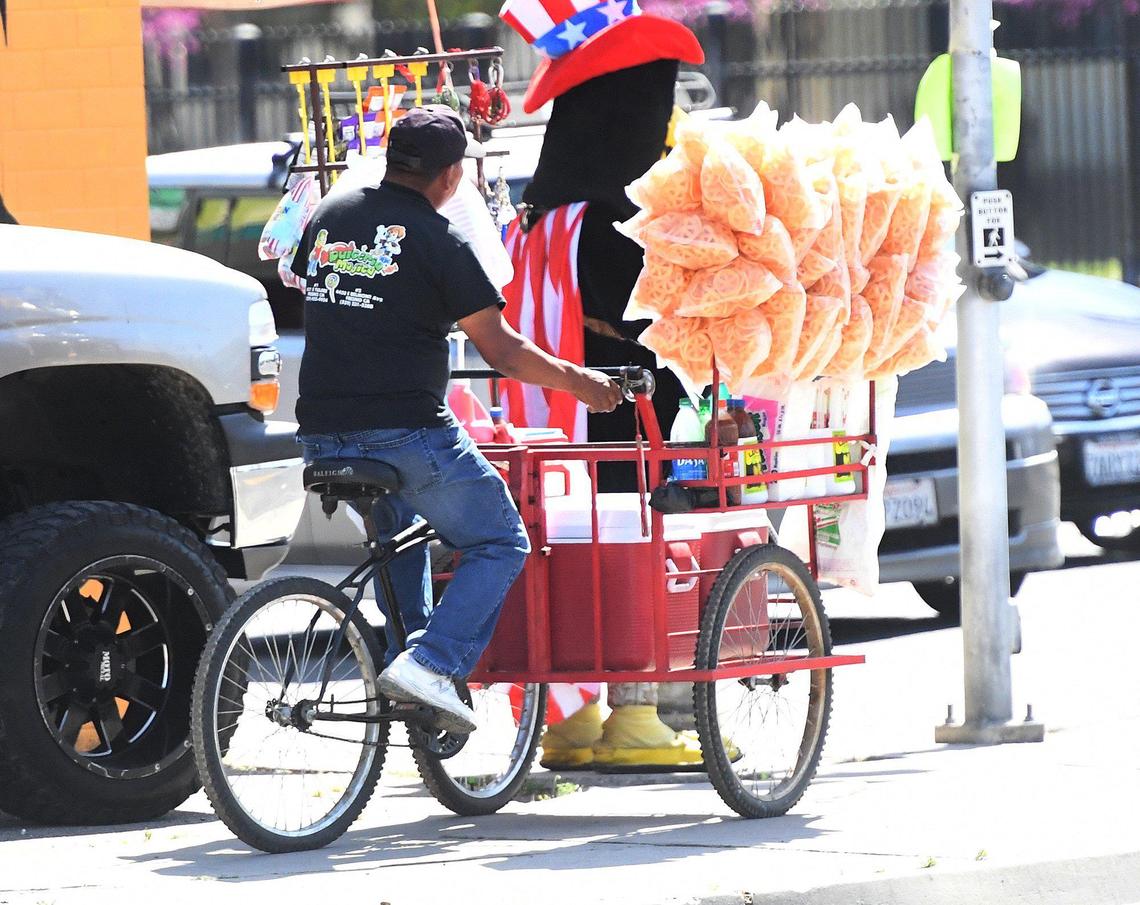
The Challenges of Fresno’s Mobile Food Vendor ID Program
Fresno's mobile food vendor ID program was introduced as a way to bring more structure and accountability to the city's street food scene. The initiative aims to streamline the permit process for vendors, making it easier for them to operate legally and safely. However, despite its intentions, the program has seen limited participation so far. As of July 24, only 79 vendors have obtained their official city-issued IDs, even though an estimated 700 vendors are operating across the city.
The ID program requires vendors with a business license and health permit to apply for a city-issued badge, which costs $27. Enforcement of the new requirement began on July 1, aligning with the city’s recently adopted sidewalk vending ordinance. Vendors who fail to comply can face warnings for the first offense, followed by fines of $25 for a second violation, $50 for a third, and up to $100 for subsequent offenses.
This policy is expected to impact many vendors, particularly those who don’t meet the eligibility criteria. For example, some vendors use makeshift carts that don’t meet the required standards, making it difficult for them to qualify for the ID.
Luz Barron and her husband, Luis Coria, were among the first to receive their badges after going through the lengthy process. Their food cart, La Kumbre, sells ice cream and required significant effort to get approved. They received a $4,000 grant from the Fresno Area Hispanic Foundation to help cover the cost of their cart, which totaled $8,000. The entire process—from building the cart to passing inspections and receiving the badge—took a full year.
Coria expressed frustration with the requirements, saying that the process felt overly complicated. “Health Department inspectors ask for a lot—like having your food cart fully up to code. Everything has to be exactly as they require,” he said. “But many vendors are out working with makeshift carts. Not everyone has the money to get a proper one.”
Despite these challenges, Coria feels safer now that he has the city ID. He believes customers also feel more confident buying from him knowing that he has everything in order.
Isabel Palofox, another street vendor who sells hot dogs near Community Regional Medical Center, hasn’t heard of the ID program yet but is interested in getting one. “I would feel safer selling if I did have an ID. Things would be better for me,” she said. However, she doesn’t qualify because her cart doesn’t meet the requirements. “The carts just cost too much. I think the requirements are unfair,” she added. “I think the city needs to be helping us out more if they want us to meet the requirements.”
Financial Barriers and Support Programs
Since March 2024, the Fresno Area Hispanic Foundation, in partnership with Fresno County, has been offering reimbursement grants of up to $4,000 to mobile food vendors who have completed the process of obtaining their carts and permits. A total of $360,000 was allocated for the program, and 75 vendors have already been approved for funding.
Flavio Arechiga, the grant program manager for the foundation, said the goal of the program is to incentivize vendors to get the right kind of carts and permits. “What we're trying to do is show as much as we can that the grants have been helping people, so the county will continue to allocate part of their budget to helping mobile food vendors,” he said.
However, Arechiga noted that the cost of carts remains a major barrier for many vendors, as they can range from $2,000 to $10,000. He also pointed out that not all eligible vendors are applying for the grants, even though funds are still available.
In addition to the grant program, the foundation is helping launch the One-Stop Mobile Vendor Pilot Program. This initiative, organized in collaboration with Supervisors Luis Chavez and Brian Pacheco, will provide one-on-one assistance with business licenses, health permits, fire inspections, and other essential certifications. The event will take place at Saint Anthony Mary Claret Church in Fresno from 4 p.m. to 7 p.m. on Wednesday.
Ongoing Challenges and Future Steps
Fresno City Councilmember Miguel Arias has been involved in supporting the mobile food vendor community. He emphasized that one of the biggest challenges vendors face is access to commercial kitchens where they can safely prepare their food. Under current county orders, vendors must demonstrate that their food is prepared in a licensed commercial kitchen and that their carts are stored there.
“There just aren’t enough commercial kitchens to accommodate the demand of street vendors,” Arias said. To address this issue, the city has provided financial support to establish two additional commercial kitchens—one in Chinatown and another through Cultiva La Salud.
Arias also highlighted the need for better alignment between city and county regulations. For example, while street vending is allowed in city parks, it is prohibited in county parks, creating confusion for vendors. He called for the authorization of Microenterprise Home Kitchen Operations (MEHKOs), which would allow vendors to certify their home kitchens for food preparation.
“It would be hugely beneficial for the city of Fresno to have the county certify home kitchens and overnight make hundreds of vendors fully compliant with public health rules,” Arias said.
He concluded by emphasizing the importance of supporting the entrepreneurial spirit of local vendors. “Vendors have broad and heavy community support. Fresno people love their street tacos and their fresh fruit. So we need to continue to support the entrepreneurship that these vendors represent and the economy they’re supporting across our communities.”

Post a Comment for "Is Fresno's Vendor Badge Program Working? 'It's Complicated'"
Post a Comment