Is Drone Hunting Legal? What You Need to Know
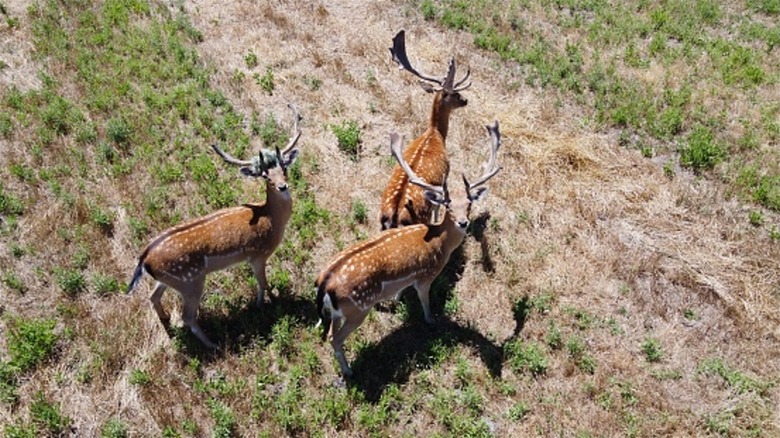
Understanding Drone Regulations in Hunting Across the United States
The use of drones for hunting is a topic that has sparked debate and legal scrutiny across various states. While some regions have embraced drone technology as a tool for scouting or tracking, others have implemented strict regulations or outright bans. The rules vary widely, making it essential for hunters to research local laws before using a drone in the field.
In states like Alabama, drones are permitted for scouting purposes, but not for direct hunting activities. Kevin Dodd, from the Alabama Department of Conservation, explained that using a drone to survey a game plot before hunting is similar to scouting from a truck or an ATV. This perspective highlights how some officials view drone use as a modern extension of traditional scouting methods.
However, other states have taken a more restrictive approach. Texas, for example, prohibits sport hunting with aircraft but allows limited drone use under an Aerial Management Permit. This permit enables drones to be used for counting, photographing, and hunting specific authorized animals, such as nuisance species like wild hogs and coyotes. Importantly, this requires Land Owner Authorization, emphasizing the need for permission and oversight.
In Maine, the consequences of using a drone for hunting can be severe. Hunters may face fines ranging from $100 to $500, and if a kill occurs, the offense escalates to a Class E criminal charge. Similarly, in Kansas, operating a drone on state-owned or managed land for hunting purposes is considered a misdemeanor, which could result in fines or even jail time. Colorado also enforces strict penalties for violating drone laws related to hunting, with fines ranging from $70 to $125,000. Heather Dugan of Colorado Parks and Wildlife emphasized the severity of these rules, stating, "The bottom line is, if it's related to a hunt in any way, you can't do it."
Ethical Considerations and Fair Chase Principles
The integration of drone technology into hunting raises important ethical questions. The concept of fair chase, which emphasizes sportsmanship and balanced competition, has long guided hunting practices. Advocates of fair chase argue that using a drone could undermine the traditional spirit of hunting by providing an unfair advantage. For instance, a drone might reveal the location of an animal without requiring the hunter to rely on their skills or patience.
Some hunters and wildlife experts believe that tools like drones shift the focus away from individual skill and instead place success in the hands of technology. This concern extends beyond drones to other technologies, such as certain Amazon gadgets designed for hunting season. These devices may challenge the principles of fair chase and raise questions about the ethics of modern hunting practices.
On the other hand, there are scenarios where drone use could be seen as practical and even ethical. One such example is the recovery of wounded game. If a shot doesn’t immediately take down an animal, tracking it can be time-consuming and stressful for both the hunter and the animal. In such cases, a drone could help locate the animal quickly, reducing its suffering and improving the chances of a successful recovery.
The Debate Over Technology in Hunting
Despite the potential benefits, there are concerns about how drones could enable unethical practices. For instance, while spotting a bedded buck on foot requires patience and careful movement, a drone can efficiently scan large areas and identify prime locations for hunting. This capability could reduce the complexity of a hunt and potentially lead to overharvesting or unnecessary stress on wildlife populations.
The growing presence of advanced technology in hunting continues to spark discussions about the balance between innovation and tradition. As drones become more sophisticated and accessible, the conversation around their use in the hunting community is likely to evolve. Hunters must remain informed about the legal and ethical implications of using such technology, ensuring that their actions align with both the law and the values of responsible hunting.

Post a Comment for "Is Drone Hunting Legal? What You Need to Know"
Post a Comment