Is Depopulation a Threat to Humanity?
The Global Fertility Crisis and Its Implications
Governments around the world are exploring new strategies to address declining birth rates. One example is China, which recently announced a financial incentive for new parents, offering $500 per child. However, the question remains: what are the long-term consequences for humanity if this fertility crisis cannot be reversed?
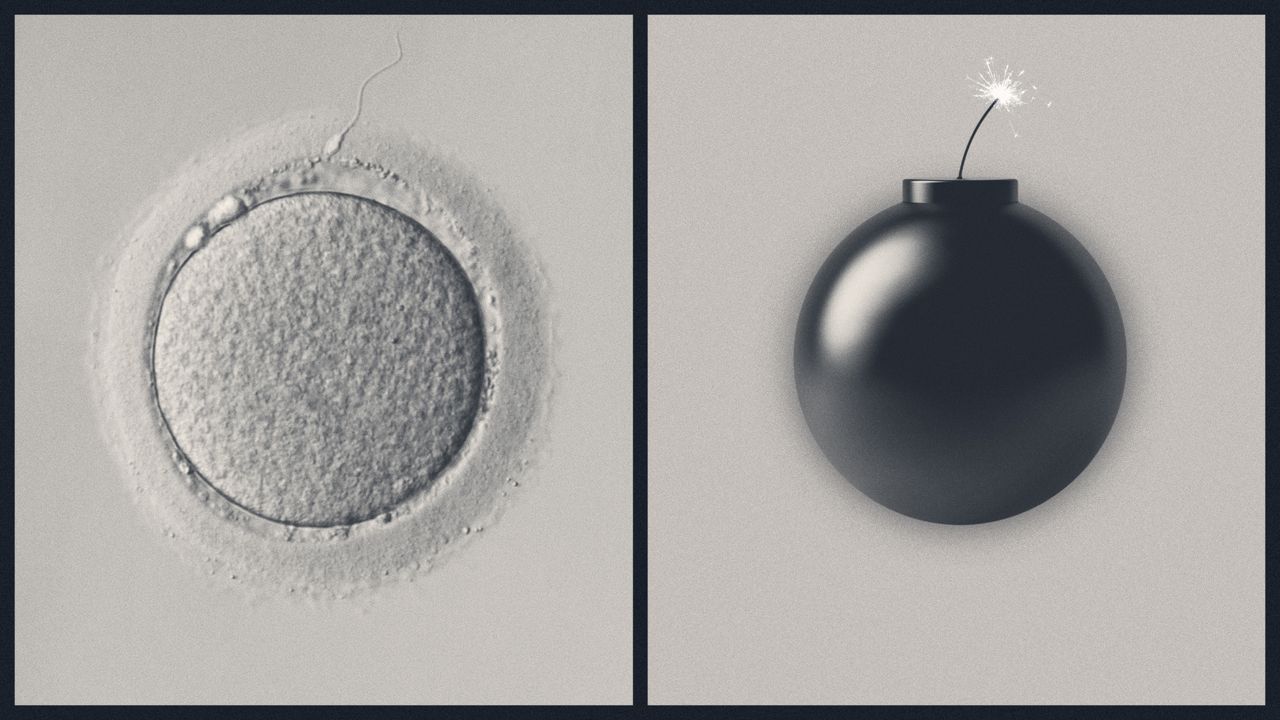
According to Greg Ip of The Wall Street Journal, global fertility is currently at its lowest level in recorded history, raising concerns about a potential "depopulation bomb." Economists Dean Spears and Michael Geruso highlight the urgency of this issue in their book After the Spike: Population, Progress, and the Case for People. They argue that if birth rates remain below replacement levels, humanity could face a self-inflicted extinction.
Warnings and Reassurances
Some experts express alarm over the decline in birth rates. NPR reports that people are "freaking out" about the implications of a shrinking and aging population. This demographic shift could lead to increased political instability, as fewer people mean a smaller economy and less resources to go around, according to Gideon Lewis-Kraus of The New Yorker.
However, not all experts agree that the situation is as dire as it seems. Leslie Root of the University of Colorado told CBS News that while U.S. birth rates are falling, there is still a natural population increase, meaning more births than deaths. Scholars from The Conversation also caution against panic, stating that population collapse is "not imminent, inevitable or necessarily catastrophic."
The United Nations projects that the global population will reach 10 billion by 2100, with the U.S. population expected to grow by 22.6 million by 2050. Root and other researchers emphasize that it is unrealistic to assume birth rates will follow predictable patterns. Historical data shows that U.S. birth rates have fluctuated significantly over time, from about two births per woman in the 1930s to 3.7 in the 1960s, then dipping below two in the 1970s and '80s before rising again in the '90s.
Despite these fluctuations, Root argues that the changes in population structure have been "dramatically overstated."
A Different Scenario
Marc Novicoff of The Atlantic suggests that global fertility trends may be worse than the United Nations predicts. He notes that while birth rates have rebounded after past lows, this time appears different and should be "alarming." Japan's experience serves as a cautionary tale. In 1994, Japan’s economy accounted for 18% of global GDP, but as its population aged—now with a median age of 50—its economic share dropped to just 4%. If birth rates do not recover, similar outcomes could affect other countries.
A Potential Upside
Some analysts suggest that a declining population might bring unexpected benefits. Mark L. Haas of Foreign Affairs proposes the idea of a "Pax Geriatrica," where an aging population reduces the likelihood of war. Governments would be forced to focus on caring for older citizens, leading to societies that are "less capable and tolerant of waging war."
However, this shift would also challenge many existing assumptions. Bloomberg highlights that many theories about how the world functions were built on the assumption of continued population growth. As birth rates fall, rethinking these approaches could be difficult, especially since a smaller population might mean fewer innovators.
Conclusion
The global fertility crisis presents complex challenges and opportunities. While some experts warn of dire consequences, others argue that the situation is not as immediate or catastrophic as feared. As governments and societies grapple with these changes, the long-term effects on economies, politics, and global stability remain uncertain.

Post a Comment for "Is Depopulation a Threat to Humanity?"
Post a Comment