Interim D.C. U.S. Attorney Orders Immigration Checks for All Defendants
Increased Scrutiny of Immigration Status in D.C. Criminal Cases
The U.S. attorney’s office in the District of Columbia has intensified its focus on examining the immigration status of criminal defendants, aligning with the Trump administration's broader strategy to deport one million unauthorized immigrants within his first year in office. This initiative includes targeting major cities and implementing more rigorous checks on individuals involved in local and federal cases.
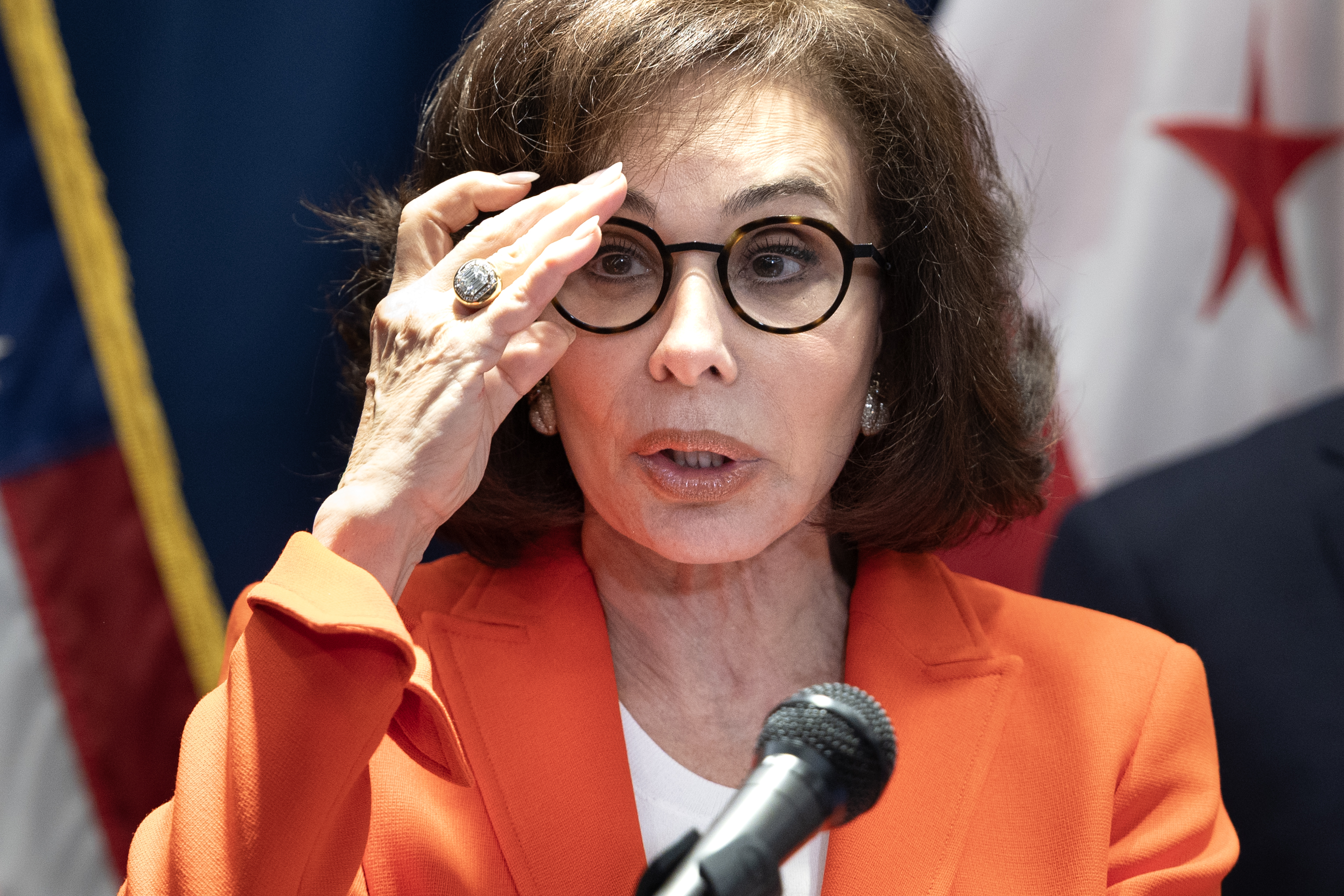
In a recent internal memo, Interim U.S. Attorney Jeanine Pirro emphasized that every defendant’s legal status must be determined as soon as their case is brought into the office. Unlike other U.S. attorney’s offices, which handle only federal cases, Pirro’s office also prosecutes over 7,000 individuals annually in D.C. Superior Court, covering a wide range of offenses from misdemeanors to murder.
Pirro stated that all local cases prosecuted by her office, along with federal cases handled in U.S. District Court, will now be reviewed to identify those who may be in the country illegally. To facilitate this process, a federal immigration officer has been embedded with criminal investigators to ensure that ICE is promptly informed of any defendant found to be in an illegal status.
“We’re on top of this,” Pirro said in a video statement. The scope and impact of these changes remain unclear. While ICE already receives fingerprints of individuals booked into jails nationwide, allowing it to determine their immigration status, targeted reviews in specific jurisdictions can help close gaps in the system. According to Pirro, recent efforts have identified about 100 people accused of misdemeanors in the District who may be in an illegal status.
This announcement comes shortly after Trump border czar Tom Homan announced that ICE agents would “flood the zone” in New York City following the city council’s decision to block federal law enforcement agencies from opening an office in municipal jails. Additionally, the administration asked a federal appeals court in California to lift a judge’s ruling halting a U.S. immigration crackdown in Los Angeles unless authorities could establish “reasonable suspicion” that those arrested were in violation of immigration law.
Pirro criticized the D.C. Council and the local government for not cooperating, claiming that this stance puts public safety at risk by hindering ICE’s ability to apprehend undocumented immigrants. Meanwhile, the GOP-controlled House recently voted to nullify D.C.’s “sanctuary city” law, which prohibits local officials from cooperating with ICE.
D.C. officials maintain that they already comply with federal law, court orders, and judicial warrants, and that a congressional repeal would have little operational effect. Mayor Muriel E. Bowser no longer refers to D.C. as a sanctuary city, and her spokesman stated that none of the D.C. government’s information-sharing policies with immigration enforcement had changed. Last month, the mayor defended the long-standing policy of not asking people about their immigration status.
As law enforcement, MPD knows that when there are groups of people who hesitate to report crime to the police, they often become targets for serious crime, Bowser wrote in a letter to the Trump administration. She argued that allowing this situation to persist makes everyone in the city unsafe.
Defense attorneys have raised concerns about the potential consequences of this increased scrutiny. Todd Baldwin, head of a group of 200 court-appointed defense attorneys in D.C. Superior Court, warned that criminal prosecutions could be short-circuited, leading to defendants being denied their rights to court hearings and legal counsel. He expressed fears that individuals could be detained or deported without proper legal representation.
Immigrant advocates have accused federal authorities of racial profiling. A federal judge in California recently ruled that defendants may not be subjected to immigration arrest based solely on apparent race, ethnicity, or language. Abel Núñez, executive director of the D.C.-area immigration advocacy group Carecen, described Pirro’s announcement as a showy move that stirs fear and uncertainty. He worries it will have a “chilling effect,” dissuading victims and witnesses from coming forward if they don’t feel safe interacting with law enforcement and the judicial system.
Maria Sacchetti and Jenny Gathright contributed to this report.

Post a Comment for "Interim D.C. U.S. Attorney Orders Immigration Checks for All Defendants"
Post a Comment