Inside the Training: Lubbock Police Recruits Test Sobriety on Volunteers
The Journey of Lubbock Police Recruits
Lubbock Police recruits have been on an intense journey for over five months as they prepare to earn their badges. This training, known as “Before the Badge,” has been closely followed by KCBD since February, and with only one month left until graduation, the recruits are nearing the final stage of their training.
Throughout their time in the academy, the recruits have learned a variety of essential skills that will be crucial in their future roles as officers. One such skill is conducting Standardized Field Sobriety Tests (SFST), which are used to determine if a driver is under the influence of alcohol or drugs.
Sergeant Travis Bratton, who has spent 19 years working nights on patrol, understands how important these tests are. He shared his experience, saying, “It was hard to make it through a week without dealing with a drunk driver. I mean, hard to make it through a shift without dealing with an intoxicated person, at all.” According to him, drunk driving remains a significant issue in the community.
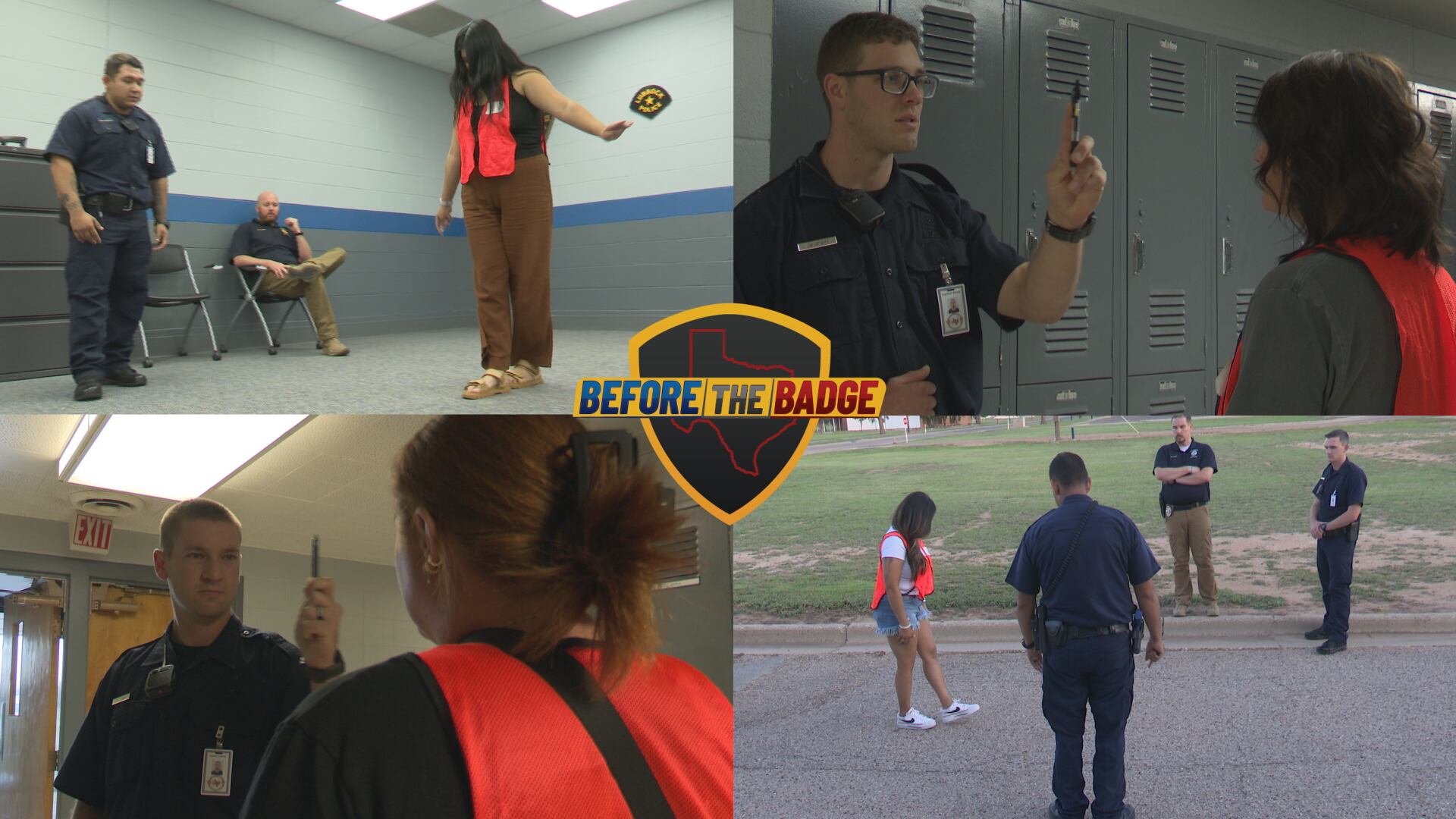
To help the recruits gain real-world experience, the academy organized a controlled environment where volunteers were given alcohol under supervision. Their Blood Alcohol Content (BAC) was monitored throughout the process, and once it reached a specific level, the recruits practiced conducting SFSTs. This hands-on approach allowed them to see what the signs of intoxication look like in real-life situations.
The training was not just about learning; it also included some fun elements. The recruits participated in a Jeopardy-style game to reinforce their knowledge of the tests. In another room, the volunteers were ready to be tested, providing a realistic setting for the recruits to apply what they had learned.
After completing the training, the recruits shared their decisions on who they would arrest. Sergeant Bratton emphasized the importance of this type of training, stating, “Having them do it in a kind of somewhat real world setting is very good training experience, for sure.”
While the day was entertaining for the recruits, Bratton highlighted the critical nature of their training. He noted that while society may not react as strongly to drunk driving as it does to other crimes, it is still a serious issue that can have life-altering consequences.
Volunteers were provided with safe transportation home after the training session, ensuring their well-being.
Training with Less Lethal Weapons
In addition to their training on sobriety tests, the recruits recently returned to the gun range to practice using a less-lethal shotgun. They started by practicing on stable targets before moving on to more realistic scenarios, such as a suspect approaching an officer with a hammer. Instructors played the role of the "bad guys," even taking hits during the exercise to provide a more authentic experience.
Corporal Mike Irby explained that the Lubbock Police Department is gradually shifting towards issuing more rifles than shotguns. However, when shotguns are used, they are often equipped with less-lethal options. He mentioned, “We don’t have a whole lot of lethal shotguns out there anymore, because we’ve transitioned to the bean bag rounds for the blue shotguns. Those are more, obviously, for the less lethal side of things.”
Recently, a less-lethal direct-impact foam round was used by an officer during a critical incident. A man armed with a butcher knife refused to drop it when instructed by officers. The first officer deployed the foam round, but the suspect continued moving forward with the knife. As a result, another officer used their firearm to subdue the individual.
This incident demonstrated how closely the training scenarios mirror real-life situations, emphasizing the importance of preparing recruits for unpredictable and dangerous encounters.
Final Steps Toward Graduation
With only seven recruits remaining in the academy, the final month will focus on refining their skills and ensuring they are fully prepared for their roles as police officers. The department plans to continue following their progress as they move closer to graduation.
Through rigorous training, practical exercises, and real-world simulations, the recruits are gaining the knowledge and experience necessary to serve their community effectively. As they approach the end of their journey, the lessons learned will play a vital role in shaping their careers as law enforcement professionals.

Post a Comment for "Inside the Training: Lubbock Police Recruits Test Sobriety on Volunteers"
Post a Comment