Innovative rat control under Hanover Street targets population reduction
Innovative Technology Targets Urban Rat Problem in Boston
Boston is taking a new approach to tackle its long-standing rodent problem, introducing advanced technology designed to kill rats in the city's sewer systems. This initiative marks a significant shift in how the city is addressing the issue of urban pests, with a focus on using smart digital tools for more effective and data-driven solutions.
A pilot program has been launched in the North End, an area known as "Italian mecca" along Hanover Street. The project involves the installation of 27 mechanical sewer traps beneath manholes, which have already resulted in approximately 60 rat kills within 60 days. This represents the first major deployment of this technology in the United States, signaling a potential new era in pest control strategies.
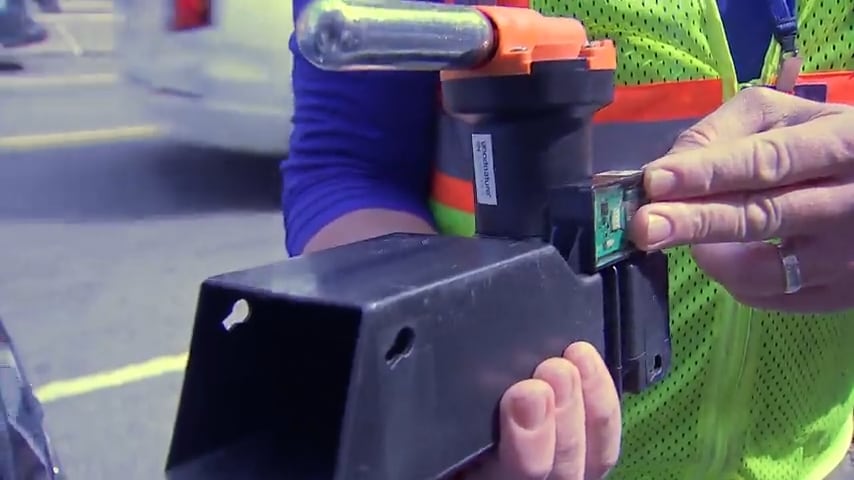
Jeffrey Weisberg, from A1 Exterminators, was chosen by the city of Boston to implement this pilot program. He explains that the traps are designed to prevent rats from escaping once they enter. "The rodents basically have no way to get by the trap. When they go in, they have to trigger them," he said. The traps use smart digital technology, similar to what is used in some European countries, which sends a Bluetooth signal every time a rat is killed. This information is then displayed in real-time on an app, allowing for immediate monitoring of activity.
Weisberg noted that the brick-lined, low-flow sewers in the North End provide ideal conditions for rats to burrow, nest, and travel. He believes these traps could be beneficial in other parts of Boston as well. "This is a way to document, not just the visual findings and guessing. This is hard data on what’s active and where," he said. The system allows for quick identification of kills, with updates available within 60 seconds.
In addition to the sewer traps, A1 Exterminators is also working with the city to install surface traps in Chinatown in September. These traps are equipped with a CO2 cylinder that fires a non-toxic piston, offering a safer alternative to traditional methods.
Boston is now measuring its rodent population more accurately than ever before, with over 250 sensors installed throughout the city. Tania Del Rio, Boston Inspectional Services Commissioner, explained that the city is currently trying to establish a baseline for the number of rodents in different areas. "We need to collect four weeks of really clean data to understand what our baseline is," she said. This data will inform future interventions, including the use of high-tech tools like the new burrow RX machines that utilize carbon dioxide to smoke out burrows.
Del Rio emphasized that extermination alone cannot solve the problem. "The more a rat has to eat, the more they can reproduce, and they can reproduce really quickly," she added. The city's Rodent Action Plan includes ongoing input from residents across Boston, highlighting the importance of community involvement in finding long-term solutions.
Despite these efforts, some residents remain skeptical about the effectiveness of the strategies, especially in neighborhoods where trash containment is an issue. Mike O’Brien, a North End resident, shared his frustration: "I just had one run over my foot on trash day. It’s insane. They’re huge. They look like kittens running around."
In densely populated areas like the North End, South End, and Beacon Hill, many apartment buildings lack sufficient space for trash bins. Some residents believe the city should stop allowing people to leave trash bags out the night before pickup. The city continues to gather feedback through community meetings, showing a commitment to involving residents in the process.
As the initiative evolves, Boston remains focused on finding sustainable solutions to its rodent problem. The combination of advanced technology and community engagement offers a promising path forward, though challenges remain in ensuring the success of these new approaches.

Post a Comment for "Innovative rat control under Hanover Street targets population reduction"
Post a Comment